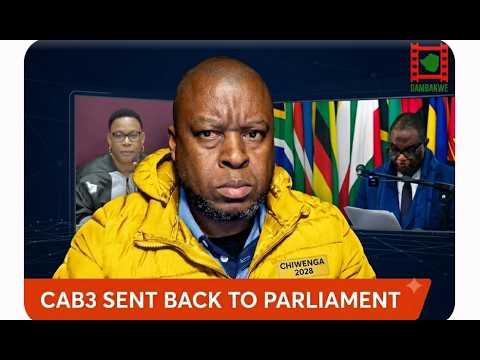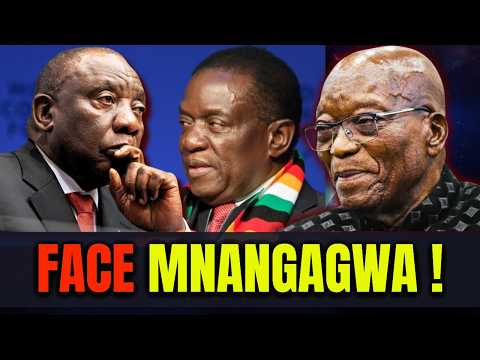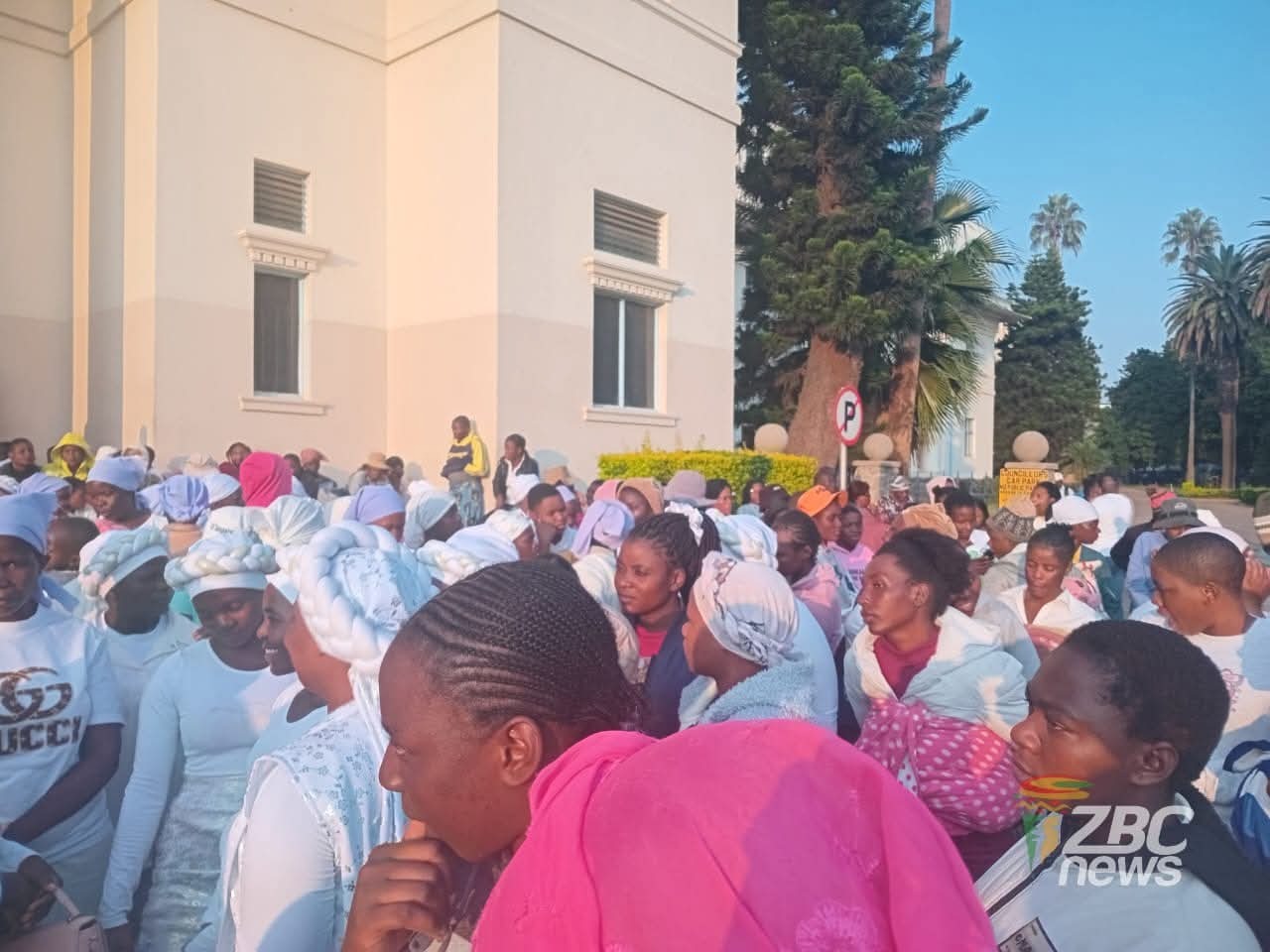
Zimbabweans began queuing outside Bulawayo’s Large City Hall at 7:00 a.m. today, signaling a fierce public pushback against the proposed Constitutional Amendment No. 3 Bill. As the government rolls out consultations across 60 centers nationwide, the proceedings have transformed into a volatile referendum on executive overreach and the erosion of democratic checks and balances in Southern Africa’s most politically fragile state.
The Architecture of Executive Consolidation
This legislative push is the latest in a series of maneuvers by the ZANU-PF government to centralize power since the 2013 Constitution was adopted. Historically, the 2013 document was hailed as a landmark achievement, passed by a 94.5% majority in a national referendum. However, successive amendments have systematically dismantled those protections. Amendment No. 3 follows the controversial paths of its predecessors, which granted the President sweeping powers to appoint judges and extend the tenure of senior officials. By targeting the constitutional framework, the administration is effectively bypassing the limitations that once prevented the consolidation of a de facto one-party state, a trend that has alarmed regional bodies like SADC, which remains wary of the potential for regional instability if Zimbabwe’s governance standards continue to decline.
Geopolitical Ripples Across the SADC Region
The implications of this amendment extend far beyond Harare’s borders. Southern Africa has long struggled with the 'liberation movement' paradigm, where former revolutionary parties maintain a stranglehold on state institutions. Political analyst Dr. Tendai Mashingaidze notes that 'what happens in Zimbabwe is a bellwether for the region; if the executive successfully neuters the constitution here, it provides a blueprint for autocrats in neighboring nations to follow.' The erosion of the rule of law in Zimbabwe directly impacts regional trade and migration flows. As the economy remains tethered to hyper-inflationary cycles and currency instability, the constitutional uncertainty further discourages the foreign direct investment (FDI) required to stabilize the Southern African Development Community’s broader economic corridor.
The Human Cost of Legislative Volatility
For the average Zimbabwean, these hearings are not merely academic debates; they are a fight for survival. With unemployment hovering above 80% and the local currency losing value daily, citizens view the Amendment as a distraction from the urgent economic crisis. Data from the Zimbabwe Human Rights NGO Forum indicates that legal instability is a primary driver of the brain drain, with thousands of skilled professionals fleeing to South Africa and beyond each month. 'We are being asked to debate a document that will further strip us of our rights while we cannot even afford bread,' said one resident at the Bulawayo hearing. The government’s insistence on pushing this legislation during a period of acute socio-economic distress highlights a widening disconnect between the ruling elite and the impoverished electorate.
Institutional Resistance and Public Outcry
The reaction from civil society has been swift and uncompromising. Advocacy groups, including the Law Society of Zimbabwe, have warned that the bill threatens the independence of the judiciary, a cornerstone of any functional democracy. While government spokespeople argue that the amendment is necessary for administrative efficiency, legal experts argue it is a thinly veiled attempt to insulate the executive from judicial oversight. 'This is not about efficiency; it is about impunity,' stated a prominent human rights lawyer during the Bulawayo session. The atmosphere at the hearings has been described as tense, with reports of heavy police presence and intimidation tactics aimed at silencing dissenting voices, a stark reminder of the narrowing space for democratic expression in the country.
The Path Toward an Uncertain Future
As the nationwide consultations conclude, the government faces a critical choice: heed the public outcry or steamroll the legislation through a parliament where they hold a comfortable majority. Should the amendment pass, it will likely trigger a fresh round of legal challenges and international condemnation, further isolating Zimbabwe from the global financial community. For Southern Africa, the outcome of this constitutional battle will determine whether the region continues its democratic backslide or finds a path toward genuine reform. The eyes of the international community are fixed on Harare, as the events of the coming weeks will likely set the tone for the next decade of Zimbabwean politics and its integration into the global economy.