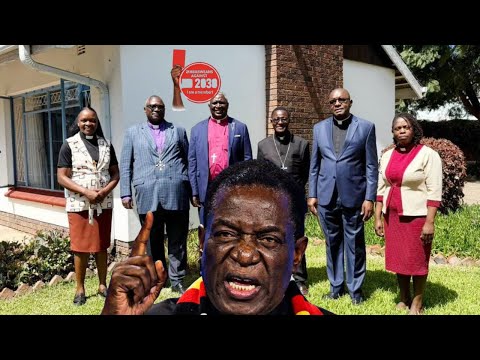
A formidable coalition of Zimbabwean religious leaders has issued a direct challenge to the government, calling for the immediate withdrawal of Constitutional Amendment Bill No. 3. Representing 32 denominations and an estimated three million congregants, the Zimbabwe Council of Churches (ZCC) has publicly denounced the proposed legislation, warning that it threatens the democratic integrity of the nation.
The bill, currently undergoing public consultation, seeks to extend the tenure of both parliamentary and local government officials to 2030. Critics argue this move is a calculated attempt to consolidate executive power, weaken institutional accountability, and pave the way for unchecked corruption. By effectively postponing elections scheduled for 2028, the amendment has ignited a firestorm of opposition from civil society and legal experts who view the proposal as a direct assault on the 2013 Constitution.
A Call for Democratic Accountability
The ZCC has demanded that the government either subject the bill to a national referendum or abandon it entirely. The council contends that the current process is fundamentally flawed, citing a conflict of interest among the institutions spearheading the legislation. "The amendments in their current form are constitutionally, morally, and democratically compromised," the ZCC stated in their submission to Parliament. They have formally proposed the creation of an independent Constitutional Amendment Commission to oversee transparent public consultations, arguing that the current trajectory undermines national development by prioritizing political elites over the welfare of the Zimbabwean people.
This pushback from the church highlights a deepening rift in Southern Africa’s political landscape, where concerns over democratic backsliding and the erosion of term limits remain prevalent. For Zimbabwe, the stakes are high; the proposed changes would not only extend the current administration's reach but also alter the foundational rules of the nation's electoral system. As regional observers watch closely, the church's intervention underscores a growing demand for transparency and a rejection of political maneuvers that bypass the public mandate. The government now faces mounting pressure to address these grievances or risk further isolating itself from the voices of its most influential institutions.