
The Premier League remains the most-watched sports league globally, defined by a rigorous 38-match schedule that tests the endurance and tactical depth of its twenty constituent clubs. As the 2025/26 season approaches, understanding the architecture of the fixture list is essential for fans, analysts, and stakeholders alike. Unlike knockout tournaments, the Premier League operates on a double round-robin format, ensuring that every team faces their nineteen opponents twice—once at home and once away—over the course of the campaign.
The Anatomy of the Premier League Schedule
The 2025/26 fixture list is not a static document but a complex logistical framework. The process of generating these fixtures involves sophisticated scheduling software that accounts for a multitude of constraints, including police requirements, broadcasting obligations, international competition commitments (such as UEFA Champions League or Europa League dates), and the avoidance of local derby clashes on the same weekend. While the specific dates for individual matches are subject to change due to television selection, the foundational structure follows a consistent cadence.
The season typically commences in mid-August and concludes in mid-May. The schedule is divided into two halves: the first 19 matches (the 'first half') and the return fixtures (the 'second half'). While the order of opponents in the second half of the season generally mirrors the first, the sequence is rarely identical, ensuring that teams do not face the same run of opponents in the same order during the final stretch of the campaign.
Key Windows and Scheduling Milestones
To navigate the 2025/26 season effectively, it is important to monitor specific periods that dictate the flow of the competition:
- The Release Date: The official fixture list is traditionally published in mid-June. This is when the broad strokes of the season are revealed, providing the framework for club travel and fan planning.
- Broadcasting Selections: Following the initial release, the league works with broadcast partners to finalize kickoff times. These selections are usually confirmed in blocks, often moving matches from Saturday afternoons to Friday nights, Sunday slots, or Monday nights.
- The Festive Period: A hallmark of English football, the period between late December and early January features a dense concentration of fixtures. This window is often the most demanding period for squads and frequently serves as a barometer for a team's potential to compete for titles or avoid relegation.
- International Breaks: The schedule is punctuated by designated FIFA windows. During these periods, club football pauses to allow players to represent their national teams, which can influence squad fitness and momentum upon the resumption of league play.
Factors Influencing Match Timing
While the Premier League fixtures are set well in advance, the specific kickoff times are fluid. Several variables influence these shifts throughout the season:
Television rights holders hold the primary authority to shift matches to maximize viewership. This means that a match originally slated for a Saturday at 3:00 PM may be moved to a prime-time slot. Additionally, clubs participating in European competitions—such as the Champions League or Europa League—often see their domestic fixtures moved to accommodate midweek European ties. Fans should prioritize checking official club channels or the Premier League's digital portal for the most current confirmation of match times, particularly as the season progresses and cup runs evolve.
Navigating the Season Trajectory
For those looking to track the 2025/26 season, the most reliable approach is to focus on the 'Fixture Blocks.' The Premier League releases television selections in batches, typically covering two to three months at a time. By monitoring these announcements, supporters can avoid the confusion of outdated schedules.
Furthermore, the final weeks of the season are subject to 'simultaneous kickoff' rules. To maintain competitive integrity, all matches on the final day of the season are played at the exact same time. This is a critical consideration for those planning travel or viewing parties, as the schedule for the concluding weekend is strictly non-negotiable once set.
Ultimately, the 2025/26 Premier League season is a test of consistency. Whether following a title charge or a battle for survival, the fixture list provides the narrative arc of the year. By understanding the constraints of the schedule and the rhythm of the broadcast cycles, fans can anticipate the challenges their clubs will face throughout the long, demanding campaign.
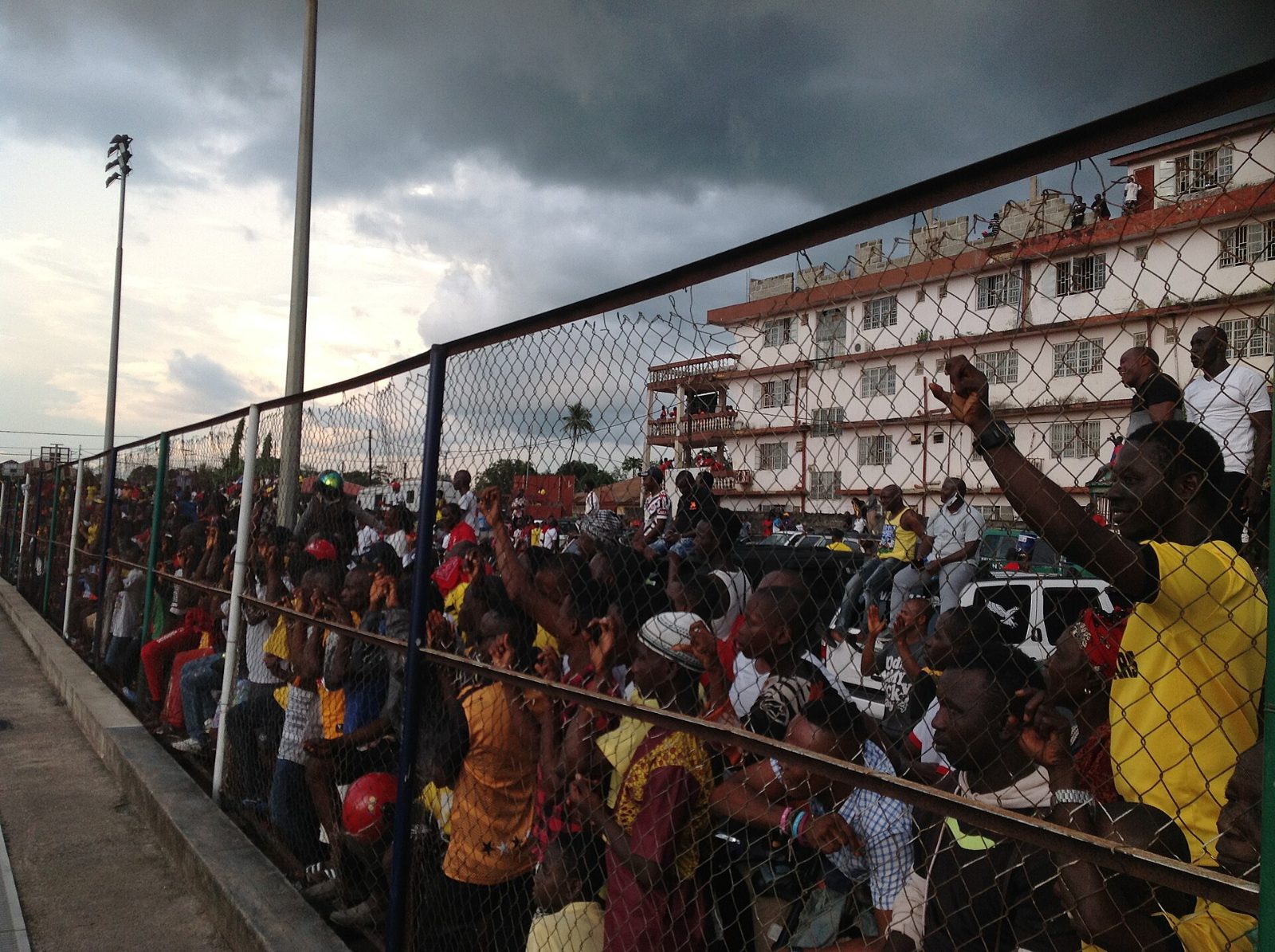
Image: Wilson Alusine Rehme, via Wikimedia Commons (CC BY-SA 4.0)