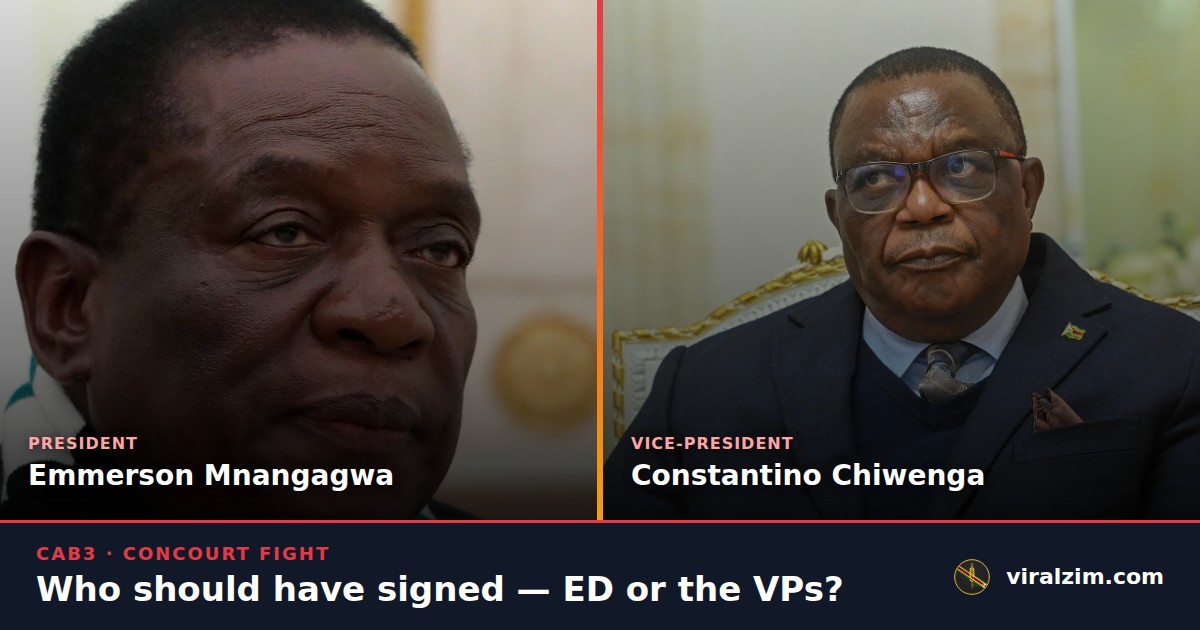
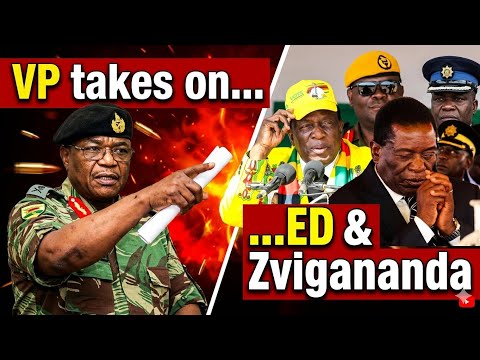
Harare, Zimbabwe – Vice President Constantino Chiwenga has broken his months-long silence, issuing an explosive statement denying widespread rumors that he was placed under house arrest and that a plot to assassinate him had been uncovered. The statement, released late Tuesday, comes as prominent lawyer and opposition figure Lovemore Madhuku filed an urgent High Court application demanding the full disclosure of all security operations targeting senior ZANU-PF officials.
Denials and Defiance
In a terse but forceful communiqué, Chiwenga’s spokesperson described the arrest and assassination rumors as ‘malicious fabrications’ designed to destabilize the country ahead of next year’s elections. ‘The Vice President remains fully in charge of his duties. He has not been detained, nor is any credible threat against his life known to state security,’ the statement read. The denial, however, did little to calm the atmosphere of dread gripping Zimbabwe’s political elite.
Madhuku Strikes
Legal experts say the move is unprecedented. ‘Madhuku is using the courts to force transparency in a system that has historically operated in the shadows,’ said Tafadzwa Mugabe, a constitutional law professor at the University of Zimbabwe, who is not involved in the case. ‘If the court grants the application, it could expose the inner workings of factional infighting within ZANU-PF.’ The case is set to be heard on Friday, and the party has already dismissed it as a ‘publicity stunt.’
Geopolitical Stakes for Southern Africa
The crisis in Zimbabwe is reverberating across the region. Southern African Development Community (SADC) officials have privately expressed alarm that instability in Harare could spill over into neighboring countries, particularly Mozambique and South Africa, both of which already face their own security challenges. Zimbabwe is a key transit route for goods and migrants; any disruption in its political order could exacerbate regional economic strains.
South Africa’s Department of International Relations and Cooperation declined to comment on the specifics of the Chiwenga rumors but issued a general statement urging ‘all parties in Zimbabwe to resolve their differences through dialogue and within the framework of the law.’ Analysts note that Pretoria is wary of another Zimbabwean crisis that could send waves of refugees southward.
The timing is especially precarious. Zimbabwe is grappling with hyperinflation, severe food shortages, and a devastating cholera outbreak in several provinces. Any political paralysis at the top could cripple the government’s ability to respond. ‘The last thing southern Africa needs is a power struggle in Harare,’ said Dr. Phumzile Ndlovu, a regional security analyst at the Institute for Security Studies in Pretoria. ‘If the factional war escalates, we could see a collapse of state services that would affect millions.’
What Remains Unclear
Despite Chiwenga’s denials and Madhuku’s legal salvo, key questions remain unanswered. Video footage circulating on social media, purportedly showing armed soldiers outside Chiwenga’s home, has not been verified independently. The Vice President himself has not appeared in public since the rumors began, raising further suspicion. His office says he is ‘resting after a scheduled medical checkup,’ but no medical report has been released.
The silence from President Mnangagwa’s office is equally deafening. The President, who is currently on a diplomatic tour of Asian nations, has not commented on the matter. Political insiders suggest that Mnangagwa is deliberately staying away to allow the situation to cool—or to gauge which way the military’s loyalty tilts.
For ordinary Zimbabweans, the drama feels like a repeat of history. Many recall the events of November 2017, when the military seized control and placed Mugabe under house arrest, eventually forcing his resignation. ‘We have seen this movie before,’ said a Harare-based political analyst, requesting anonymity due to fears of retaliation. ‘The difference now is that the factions are armed and the economy is in tatters. This time, the fallout could be much worse.’
As the High Court prepares to hear Madhuku’s application, all eyes will be on Chiwenga’s next move. Will he break his public seclusion? Can the courts force a transparency that the party refuses to grant? And most critically, is this the opening scene of a new chapter in Zimbabwe’s turbulent political life—or the closing act of an old one?
This article is based on available video metadata and public reporting. The events described remain unverified pending official documentation.