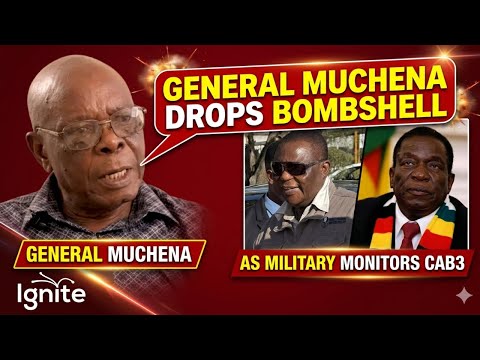
A high-ranking military general has confirmed they are actively monitoring the escalating crisis in Zimbabwe, a development that signals a potential shift in the nation's stability. The situation reached a critical juncture as General Muchena publicly spoke out, providing a rare and authoritative perspective on the ongoing turmoil. This intervention by military leadership marks a significant moment in the country's current political trajectory, raising questions about the role of the armed forces in addressing the deepening national instability.
The Anatomy of a National Crisis
The current crisis in Zimbabwe, as highlighted by NDWG Global TV, stems from a complex web of governance and societal pressures that have pushed the nation to a breaking point. For months, observers have noted the mounting tension, but the direct involvement of military monitoring suggests that the state of affairs has moved beyond traditional political discourse. General Muchena’s decision to speak out serves as a focal point for this background, acting as a catalyst for public scrutiny regarding how the military establishment perceives the threats currently facing the Zimbabwean state and the broader Southern African region.
Analyzing the Military Perspective
When a military general declares that they are monitoring a national crisis, the implications for governance are profound. The analysis of this event suggests that the security apparatus is no longer merely a bystander but is actively evaluating the potential for civil unrest or structural collapse. General Muchena’s public statement provides a window into the institutional mindset of the military, which is tasked with maintaining order in a volatile environment. This analysis indicates that the military is positioning itself as a central arbiter in the crisis, a move that carries significant weight for the future of Zimbabwe’s political stability.
Regional Consequences and Stability
The impact of this situation extends well beyond Zimbabwe's borders, affecting the stability of the entire Southern African region. As the military monitors the internal crisis, neighboring countries are watching closely to see if the situation will trigger a refugee influx or economic volatility that could spill over into their own territories. The regional significance of General Muchena’s remarks cannot be overstated, as the military's response to the crisis will likely dictate the diplomatic and security posture of the Southern African Development Community (SADC) in the coming months.
Public and Institutional Reaction
The reaction to General Muchena’s public address has been swift and polarized. Within Zimbabwe, citizens are interpreting the military's monitoring as both a sign of potential protection and a warning of increased control. Stakeholders, including political analysts and civil society groups, are debating the intent behind the General's decision to speak out at this specific time. The discourse surrounding this event highlights a deep-seated anxiety about the intersection of military power and civilian governance, with many calling for clarity on what the 'monitoring' process actually entails for the average person.
The Path Toward Future Developments
Moving forward, the primary concern for observers is whether the military's monitoring will lead to a de-escalation of the crisis or a further consolidation of power. All eyes are now on General Muchena to see if further statements will be issued or if the military will transition from passive monitoring to active intervention. The international community and regional actors will be looking for signs of constitutional adherence and peaceful resolution. As the situation remains fluid, the role of the military in Zimbabwe’s immediate future remains the most critical variable in this ongoing, high-stakes development.