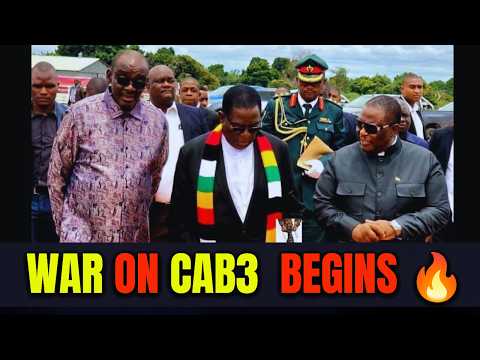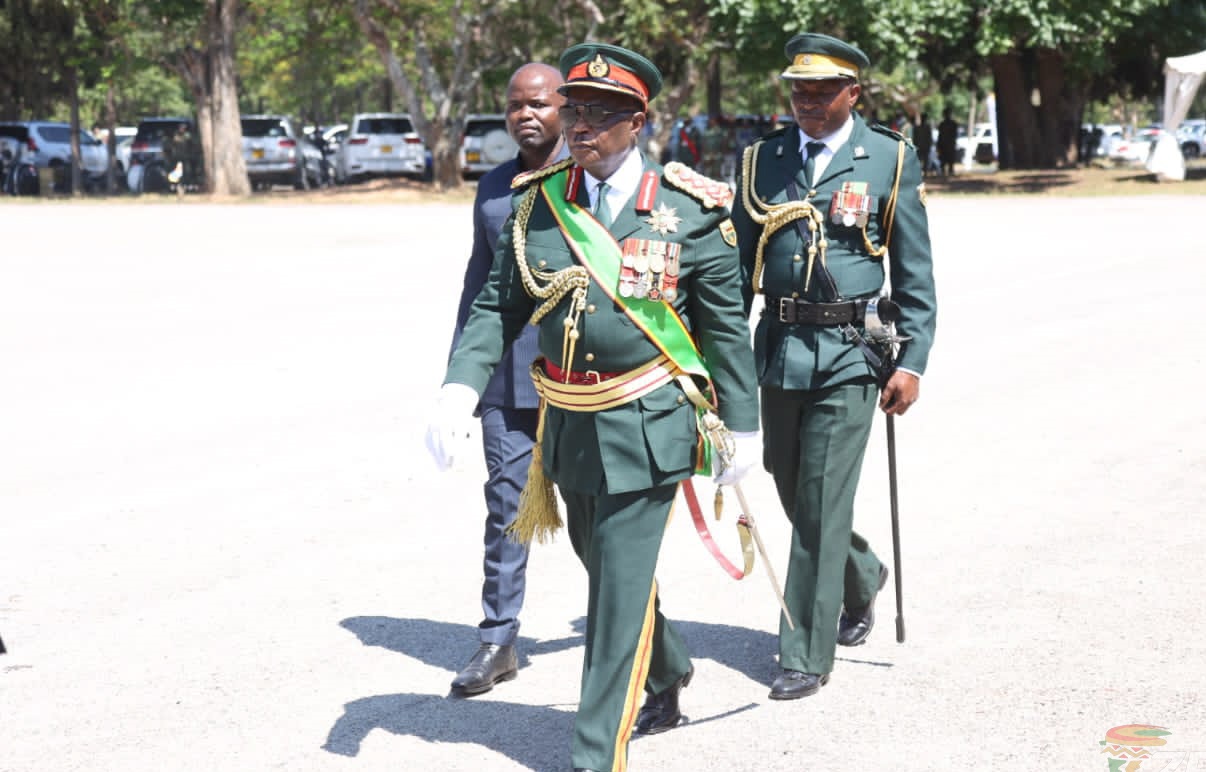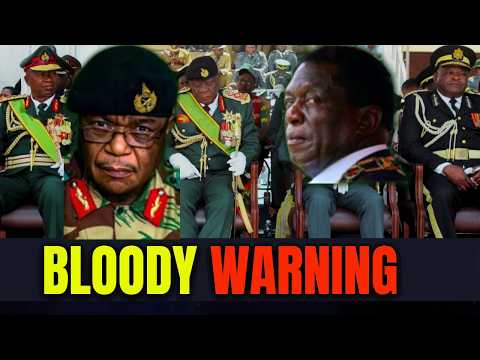
HARARE, Zimbabwe — A blunt death threat demanding President Emmerson Mnangagwa’s immediate removal has pushed State House into crisis mode, with reports that the president has summoned serving and retired army generals for an urgent security summit as Zimbabwe’s succession fight hardens around Constitutional Amendment Bill No. 3.
The warning — circulating widely as “Remove Mnangagwa NOW or DIE” — was amplified across social media and diaspora channels after claims that Mnangagwa called a closed-door meeting with military chiefs for the third time in weeks. Neither the presidency nor the Zimbabwe Defence Forces has issued a public statement confirming the agenda, but the optics alone have revived memories of November 2017, when the military forced Robert Mugabe from power and installed Mnangagwa.
Why the army was called
Security sources and political commentators say the timing is not accidental. CAB3 — which extends presidential and parliamentary terms from five to seven years, weakens direct election of the president, and expands executive patronage — has fractured ZANU-PF, alienated sections of the war veterans’ network, and drawn open hostility from critics who say the bill needed a referendum.
“Mnangagwa rarely calls the generals unless he believes his grip is under direct threat,” said one Harare-based analyst who asked not to be named because of the sensitivity of military politics. “A bloody warning plus a third generals’ huddle is the clearest signal yet that the succession crisis has moved from WhatsApp speculation into the barracks.”
Video commentary circulating with the threat also referenced a scathing letter attributed to a liberation war veteran, urging serving generals not to shield Mnangagwa over CAB3 and warning that loyalty to an embattled principal could end in betrayal — language that deliberately echoes the 2017 “Operation Restore Legacy” narrative.
Chiwenga shadow over the summit
Every military meeting in Harare is read through the Mnangagwa–Constantino Chiwenga rivalry. Chiwenga, the retired general who led the 2017 intervention and now serves as vice president, remains the figure many succession watchers cast as the alternative power centre inside the security establishment.
That history matters. In 2017, Chiwenga publicly warned that the military would not hesitate to defend the constitution and the liberation legacy when politicians “denigrated” the armed forces. Today’s viral warnings recycle that logic: if civilian institutions rubber-stamp an unconstitutional power grab, the argument goes, the military’s constitutional mandate under Section 212 could again become political.
Mnangagwa’s camp frames CAB3 as continuity for Vision 2030. His rivals frame it as a constitutional shield for elite enrichment and a roadmap to lock out a military-liberation succession. The urgent army summit sits exactly on that fault line.
Threat, letter and political temperature
The authorship of the death threat remains unverified. It first spread through anonymous channels before opposition-aligned and diaspora platforms amplified it. Police rhetoric has previously labelled such messages subversive, while Home Affairs messaging has vowed that anyone threatening the president’s life will face the law — without naming arrests tied to this latest wave.
Separately, rights activists challenging the 2030 term-extension project have reported intimidation, including alleged bullet-threat notes delivered to homes linked to court applications. Those claims deepen public fear that the constitutional fight is spilling into open coercion.
What the summit could decide
Three outcomes dominate speculation in Harare:
- Public loyalty: generals issue a carefully worded affirmation of civilian command and constitutional order, buying Mnangagwa breathing room.
- Quiet bargain: retirement timelines, command reshuffles and CAB3 sequencing are negotiated behind closed doors to avert a public split.
- Hard fracture: factional lines inside the Zimbabwe Defence Forces harden, raising the risk of another 2017-style intervention — or a messy stalemate that paralyses the state.
Regional capitals are watching. A prolonged Zimbabwe security crisis would pressure SADC diplomacy, worsen capital flight, and intensify migration pressures already straining neighbouring economies.
Bottom line
Whether the “bloody warning” is a genuine ultimatum, a psychological operation, or factional theatre, Mnangagwa’s response — another emergency huddle with the army — tells Zimbabweans the presidency treats it as real. With CAB3 at the centre of the succession war, the generals once again sit as the country’s ultimate political insurance policy.
This report draws on circulating video commentary, prior ViralZim coverage of the generals’ meetings, and publicly discussed claims about CAB3 and succession. Some assertions could not be independently verified at the time of publication.