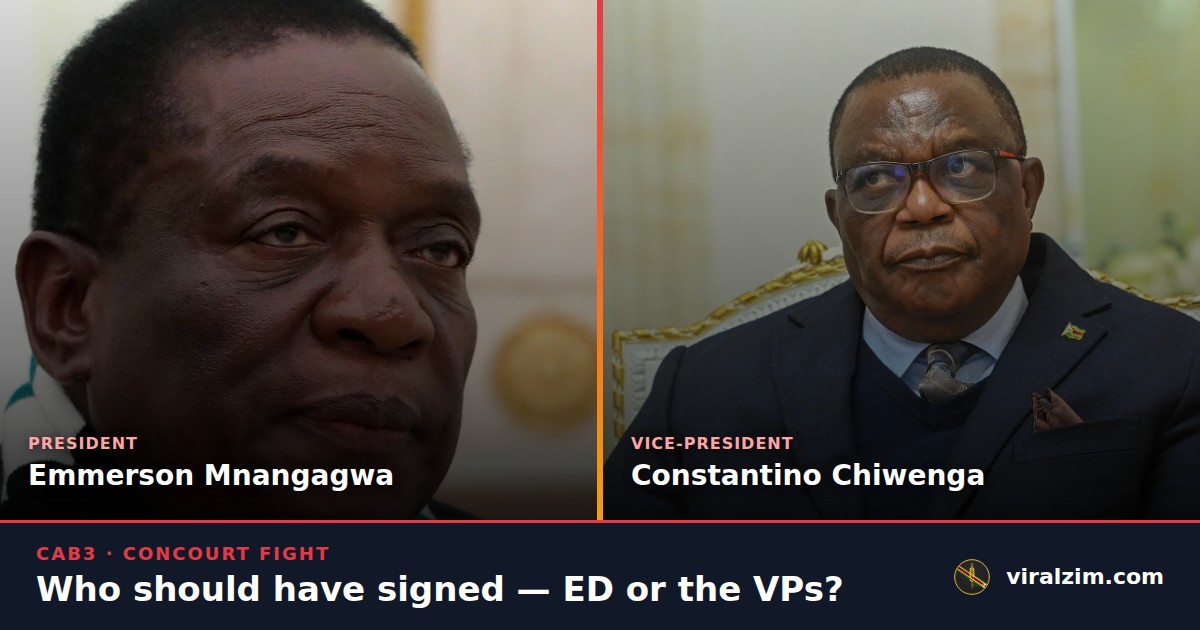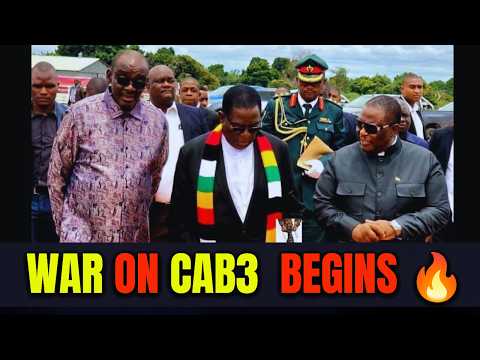
HARARE, Zimbabwe — Vice President Constantino Chiwenga’s latest biblical sermon is being read across the country as a coded challenge to Constitutional Amendment Bill No. 3 (CAB3) — just as President Emmerson Mnangagwa has signed the disputed package into law.
In a video circulating widely on social media, Chiwenga used the resurrection of Lazarus to argue that miracles — and, by implication, constitutional change — require the people’s participation. He told listeners that Jesus delayed, asked where Lazarus was buried, and ordered the stone rolled away so the crowd would take part, not watch from the sidelines.
“Do you think Jesus did not know? He asked them because he wanted their participation,” Chiwenga said in the address. Critics and opposition voices immediately mapped the allegory onto CAB3’s passage without a referendum.
What CAB3 changes
CAB3 extends presidential and parliamentary terms from five to seven years, pushing the next election window toward 2030 instead of 2028. It also shifts the choice of president from a direct popular vote to a joint sitting of Parliament, expands the Senate by allowing ten additional presidential appointments, and moves voter registration from the Zimbabwe Electoral Commission to the Registrar General.
Civil society groups and several ZANU-PF critics argue those changes should have gone to a national referendum. The ruling party pushed the bill through both houses and pressed ahead regardless.
Succession fight turns theological
This is not Chiwenga’s first coded warning. An earlier church-style address invoked King Hezekiah — granted extra years that ended in captivity — as a moral caution against leaders who chase more time in power. The Lazarus sermon hardens that line: the constitution, opponents say, was “sickened” by CAB3 and now needs the people to roll away the stone.
Opposition activist Jacob Ngarivhume framed the message bluntly on social media: Chiwenga was calling the nation to “raise the dead Lazarus, the constitution,” after oligarchic forces inside ZANU-PF “killed” it through CAB3.
Mnangagwa, for his part, has shrugged off resistance with a defiant “whoever wins, wins” — language widely heard as a dare to rivals inside and outside the party as tension with his deputy deepens.
Why it matters now
With CAB3 signed, the legal fight shifts from Parliament to the streets, the courts, and ZANU-PF’s own succession arithmetic. Chiwenga, the retired general who helped put Mnangagwa in State House in 2017, has long been cast as the leading alternative. CAB3’s longer terms and parliamentary presidency dilute that path — which is why every cryptic sermon is now dissected like a manifesto.
For ordinary Zimbabweans, the stakes are concrete: fewer direct votes for the top job, a longer wait for the next national election, and a constitution rewritten under party majorities rather than a popular ballot. Whether Chiwenga’s Lazarus call becomes a rallying cry — or just another viral clip — will shape the next chapter of Zimbabwe’s power struggle.