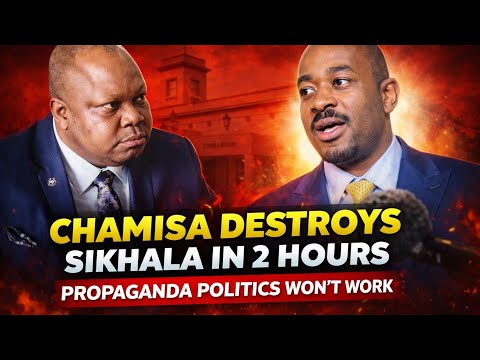
Nelson Chamisa has reportedly delivered a crushing political blow to Job Sikhala in a contest for influence within Zimbabwe's opposition, igniting fierce debate about the future direction of the movement. The alleged defeat, purportedly unfolding over a mere two hours, has sent shockwaves through political circles, raising questions about Sikhala's standing and Chamisa's consolidation of power.
Zimbabwe's Opposition Landscape: A History of Division
Zimbabwe's opposition politics has been marked by internal divisions and power struggles since the formation of the Movement for Democratic Change (MDC) in 1999. The MDC, initially a formidable challenge to Robert Mugabe's ZANU-PF, splintered into various factions following disputed elections and leadership disputes. Job Sikhala, a prominent figure within the MDC and its subsequent iterations, has often been at the center of these internal conflicts, known for his fiery rhetoric and unwavering stance against ZANU-PF rule. Chamisa's rise to prominence after the death of Morgan Tsvangirai further complicated the landscape, leading to ongoing tensions and jostling for control of the opposition narrative.
Analyzing Chamisa's Ascendancy and Sikhala's Future
The reported dominance of Chamisa over Sikhala suggests a significant shift in the balance of power within Zimbabwe's opposition. This could reflect a broader trend towards a more unified opposition front under Chamisa's leadership, potentially strengthening their challenge to the ruling ZANU-PF in future elections. However, it also raises concerns about the potential marginalization of dissenting voices and the long-term implications for internal democracy within the opposition movement. From an African perspective, such internal power struggles are not uncommon in opposition parties, often hindering their ability to effectively challenge entrenched ruling parties.
Impact on Zimbabwe's Political Landscape and Future Elections
The implications of Chamisa's apparent victory are far-reaching. According to Dr. Sibusiso Nkomo, a political analyst at the University of Zimbabwe, "This could solidify Chamisa's position as the undisputed leader of the opposition, potentially attracting more support from disillusioned ZANU-PF members and undecided voters." However, Nkomo also cautions that "it could lead to further fragmentation if Sikhala's supporters feel marginalized and choose to break away." The next general election, slated for 2028, will be a crucial test of whether a more unified opposition can mount a credible challenge to ZANU-PF's continued rule.
Reactions to the Reported Power Shift
The news of Chamisa's ascendancy has been met with mixed reactions. Chamisa's supporters have hailed it as a step towards greater unity and a stronger opposition. Sikhala's camp, however, has remained largely silent, fueling speculation about his next move. ZANU-PF officials have downplayed the significance of the event, reiterating their confidence in their ability to maintain power. Market analysts are closely monitoring the situation, as political stability is seen as crucial for attracting foreign investment and promoting economic growth.
Looking Ahead: What's Next for Zimbabwe's Opposition?
The immediate future will likely see increased efforts by Chamisa to consolidate his power and unite the various factions within the opposition. Sikhala's response will be critical in determining whether the opposition movement can maintain a semblance of unity or if further fragmentation is inevitable. The outcome of this power struggle will undoubtedly shape the political landscape in Zimbabwe in the lead-up to the next general election, influencing the prospects for democratic change and the country's overall trajectory.