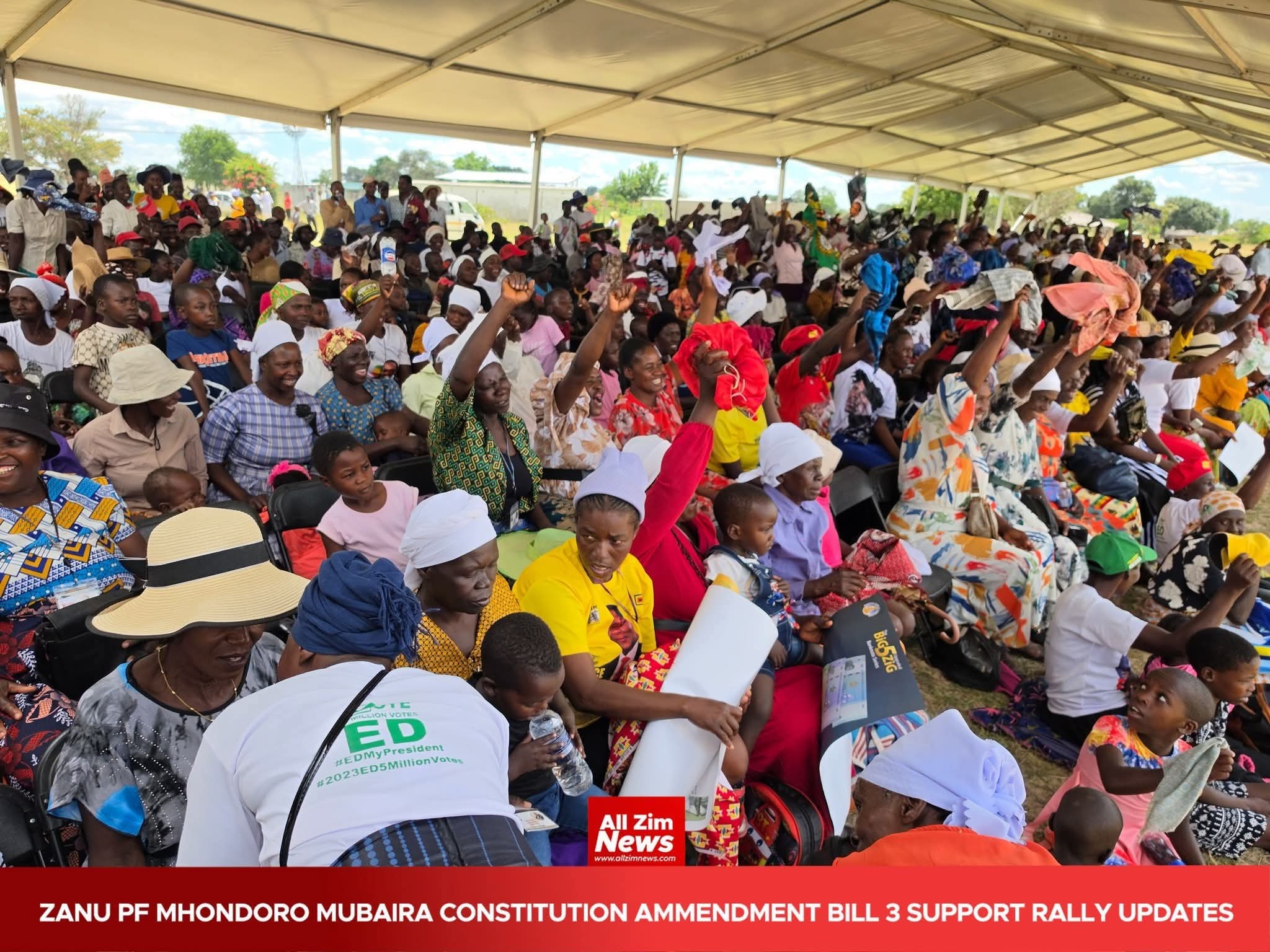
Presidential advisor Paul Tungwarara descended upon Mhondoro-Mubaira this week, leveraging a localized political rally to aggressively campaign for the controversial Constitutional Amendment Bill No. 3. Amidst a backdrop of deepening economic despair, Tungwarara utilized the distribution of essential goods as a political lever, signaling a calculated consolidation of executive power that threatens to bypass democratic checks and balances in Zimbabwe.
The Architecture of Executive Overreach
Constitutional Amendment Bill No. 3 is not merely a legislative adjustment; it is a fundamental restructuring of the Zimbabwean judiciary and executive relationship. Since the 2013 Constitution was adopted—a document heralded as a beacon of democratic reform—the ruling ZANU-PF party has systematically chipped away at its provisions. Tungwarara, a close associate of President Emmerson Mnangagwa, represents the new guard of political operatives who prioritize party hegemony over constitutional integrity. Historical data from the Zimbabwe Election Support Network (ZESN) indicates that rural constituencies like Mhondoro-Mubaira remain the primary targets for such 'patronage-based' politics, where access to basic commodities is frequently weaponized to ensure voter compliance and legislative support for executive agendas.
Regional Stability and the SADC Shadow
The implications of this move extend far beyond Harare. Southern Africa, currently grappling with the SADC’s struggle to maintain democratic standards, views the erosion of Zimbabwe’s constitutional framework with growing alarm. Political analyst Dr. Tendai Mupfurutsa notes, 'When the executive branch begins to treat the constitution as a fluid document subject to the whims of political advisors, it signals a collapse of the rule of law that inevitably spills over borders.' For regional neighbors like South Africa and Botswana, a destabilized Zimbabwe—driven by internal constitutional crises—threatens to exacerbate migration flows and undermine the SADC’s collective security protocols. The Mhondoro rally serves as a microcosm of how the ruling elite intends to insulate itself from regional scrutiny by domesticating its power grab.
The Economics of Political Patronage
The distribution of goods at the Mhondoro-Mubaira rally is a stark reminder of the 'poverty trap' used to maintain political control. With inflation rates consistently among the highest in the world and over 60% of the population living in extreme poverty, the exchange of basic necessities for political loyalty is an effective, albeit unethical, strategy. Local reports suggest that the goods distributed included maize, cooking oil, and sugar—items that have seen price hikes of over 400% in the last 18 months. By positioning himself as a benefactor, Tungwarara is not just campaigning for a bill; he is establishing a clientelist network that bypasses formal state social safety nets, effectively privatizing the influence of the presidential office.
Institutional Resistance and Public Outcry
Civil society organizations and legal watchdogs have been swift to condemn the rally, labeling it a direct assault on the separation of powers. 'The use of presidential advisors to whip up support for constitutional amendments at the grassroots level creates a dangerous precedent,' says a spokesperson for the Zimbabwe Lawyers for Human Rights. 'It undermines the consultative process required for constitutional change.' While the ruling party maintains that the bill is necessary for 'national development,' the lack of transparent public discourse suggests a different reality. International observers are now calling for a formal inquiry into the funding of these rallies, questioning whether state resources are being diverted to facilitate the political ambitions of unelected advisors.
The Trajectory of Authoritarian Consolidation
As the legislative process for Amendment No. 3 moves forward, the focus shifts to whether the opposition can mount a credible challenge in Parliament. If passed, the amendment will likely grant the executive further control over judicial appointments, effectively neutralizing the last remaining independent branch of government. For Southern Africa, the message is clear: Zimbabwe is moving toward a more centralized, less accountable form of governance. The coming months will determine if the international community, particularly the African Union and SADC, will move beyond rhetoric and impose tangible consequences for the systematic dismantling of the 2013 constitutional order. The Mhondoro rally was not just a campaign stop; it was a warning shot to any who believe that Zimbabwe’s democratic future is still negotiable.