
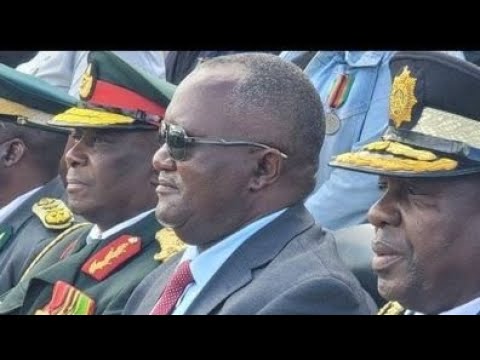
In a explosive revelation that has sent shockwaves through historical discourse, Retired Lieutenant General Wintson Sigauke Mapuranga has publicly branded Rt Mashingaidze as a 'sellout' for his alleged actions during the Liberation struggle. The accusations, broadcast via Hloniphani Global News TV, strike at the core of the narrative surrounding the conflict, challenging the legacy of those involved in the fight. This direct indictment by a high-ranking military figure forces a re-examination of the loyalties and betrayals that defined the era.
The Historical Context of the Liberation Struggle
The Liberation struggle remains the foundational pillar of the political and social identity of Zimbabwe and the broader Southern African region. The conflict, characterized by intense ideological battles and strategic military maneuvers, was not merely a fight against external forces but a complex web of internal allegiances. Retired Lieutenant General Wintson Sigauke Mapuranga’s assertion brings to light the persistent, often painful, internal scrutiny regarding who remained steadfast to the cause and who allegedly compromised the movement from within.
Analyzing the Allegations of Betrayal
When a figure of the stature of Retired Lieutenant General Wintson Sigauke Mapuranga levels a charge of being a 'sellout,' it is a calculated move that carries significant weight in the political landscape of Southern Africa. This is not merely a personal grievance; it is an attempt to rewrite the historical record by exposing what he characterizes as treachery. The term 'sellout' in this context implies a fundamental breach of trust that jeopardized the lives of combatants and the success of the liberation movement, suggesting that the internal history of the struggle is far more fractured than previously acknowledged.
The Regional Impact and Geopolitical Ripples
The implications of this claim extend far beyond the individuals involved. In Zimbabwe and Southern Africa, the legitimacy of political leadership is often tied to one's history during the Liberation struggle. By labeling Rt Mashingaidze a sellout, Mapuranga is effectively challenging the moral authority and historical standing of those associated with the accused. This creates a ripple effect that forces current political actors to reconcile with the past, as any association with 'sellouts' can be weaponized in modern political discourse to discredit opponents and solidify power bases.
Public and Stakeholder Reaction
Since the video was released by Hloniphani Global News TV, the reaction has been polarized, reflecting the deep-seated divisions that still exist regarding the history of the Liberation struggle. Supporters of Mapuranga view this as a long-overdue truth-telling exercise, while critics or those aligned with Mashingaidze’s legacy are likely to view the comments as a smear campaign or an attempt to settle old scores. The discourse on social media and within political circles highlights the fragility of national memory and the ongoing battle for the 'true' narrative of the struggle.
What to Watch for Next
As the dust settles, the focus shifts to whether Rt Mashingaidze or his representatives will issue a formal rebuttal to these explosive claims. Observers should monitor whether other veterans of the Liberation struggle will step forward to corroborate or refute Mapuranga’s account. Furthermore, the potential for this controversy to influence current political alignments in Zimbabwe cannot be ignored. We are watching closely to see if this accusation leads to a broader investigation into the conduct of historical figures or if it remains a localized dispute between former comrades.
