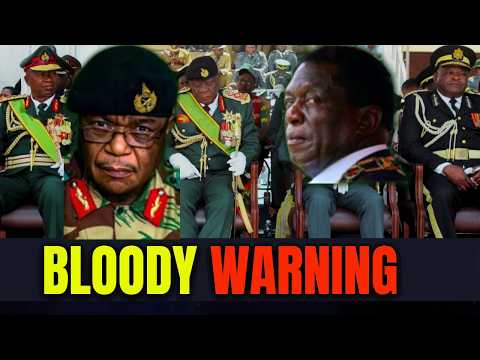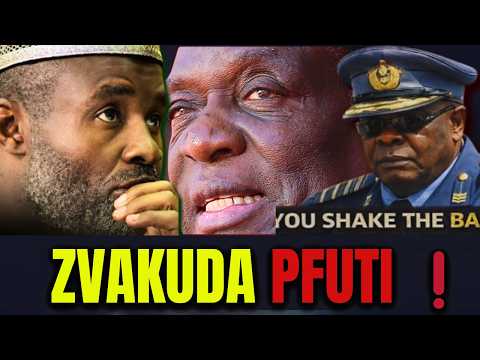
President Mnangagwa finds himself in a position of unprecedented vulnerability as reports emerge that he has been effectively trapped by a shifting internal power dynamic. According to the latest coverage from Rumbie Uncensored, the military—a cornerstone of his political survival—has turned on him, signaling a definitive collapse of his long-term #2030 political ambitions. This dramatic turn of events suggests that the administration’s grip on power is being dismantled from within, leaving the president isolated as his once-secure support base disintegrates.
The Erosion of Military Allegiance
The political landscape has been defined by the delicate balance between civilian leadership and the security apparatus. For years, the stability of the current administration has relied heavily on the tacit approval and active backing of the military. However, the recent developments highlighted by Rumbie Uncensored indicate that this alliance has fractured. The shift suggests that the military, which has historically acted as the ultimate arbiter of power, has withdrawn its support, leaving the president exposed to internal challenges that were previously kept at bay by a unified front.
Analyzing the Collapse of #2030
The #2030 agenda served as the central pillar of the administration's long-term vision, intended to solidify the president's legacy and ensure his continued tenure. The sudden declaration that this dream is 'dead' signifies a total failure of the strategic planning surrounding his political future. By analyzing the rhetoric coming from channels like Rumbie Uncensored, it is clear that the #2030 movement was not merely a campaign slogan but a structural goal that has now been rendered unattainable by the withdrawal of key institutional support. The loss of this agenda marks a major turning point in the nation's political trajectory.
Real-World Political Consequences
The consequences of a leader being 'busted and trapped' by their own security forces are profound. In any geopolitical context, the loss of military backing typically precipitates a rapid decline in executive authority. For the administration, this means that policy implementation will likely grind to a halt as internal factions scramble to fill the power vacuum. The international community and regional stakeholders are now forced to reassess their engagement with a leadership that appears to have lost its primary mechanism for enforcing order and maintaining control over the state apparatus.
Public and Institutional Reaction
Public discourse, as captured by Rumbie Uncensored, reflects a growing sentiment of finality regarding the president's tenure. The reaction from stakeholders suggests that the narrative of a 'trapped' leader has gained significant traction, moving from fringe speculation to a mainstream political reality. As the news of the military's pivot spreads, the atmosphere is characterized by intense scrutiny of the president's next moves. The shift in tone from supporters and critics alike highlights a collective recognition that the status quo has been permanently altered by these recent, high-stakes developments.
The Road Ahead: What to Watch
Moving forward, the primary focus for observers will be the nature of the transition or the potential for further internal conflict. With the #2030 dream officially declared dead, the administration must navigate a landscape where it no longer holds the upper hand. Key indicators to watch include any official statements from the military high command, potential cabinet reshuffles, and the president's ability to maintain public appearances in the face of this mounting pressure. The coming weeks will determine whether this 'trap' leads to a managed exit or a more volatile confrontation within the upper echelons of power.