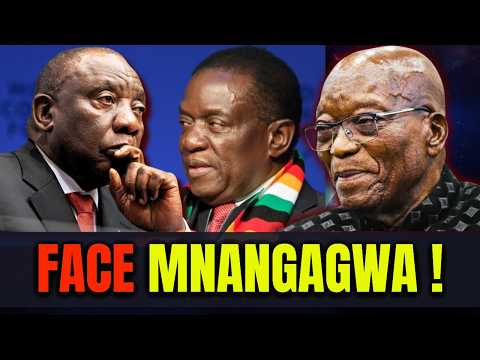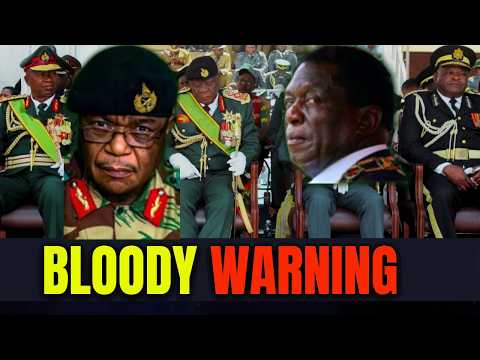
In a move that signals a profound shift in the nation’s power dynamics, President Mnangagwa has initiated a forceful push for constitutional amendments, effectively disregarding the objections of influential generals and war veterans. According to reports from Hloniphani Global News TV, the President is bypassing traditional security and liberation-era stakeholders to consolidate his agenda. This direct challenge to the military and veteran establishment marks a volatile turning point in the country's governance, raising urgent questions about the stability of the current administration.
Historical Context of the Power Struggle
The relationship between the executive branch and the military-veteran complex has long been the bedrock of political power in the region. Historically, war veterans and senior military officials have acted as kingmakers, providing the necessary legitimacy for the presidency. By choosing to disregard these powerful factions, Mnangagwa is dismantling a long-standing political consensus. The push for constitutional amendments appears to be the culmination of growing friction between the President’s office and the security apparatus, which has historically demanded a seat at the table regarding any changes to the nation’s supreme law.
Analysis of the Constitutional Gambit
The decision to pursue these amendments forcefully suggests an urgent need for the President to bypass institutional gatekeepers. From an investigative standpoint, this indicates that the administration perceives the current constitutional framework as an obstacle to its long-term objectives. By sidelining the generals and war veterans, Mnangagwa is signaling a transition toward a more centralized executive authority. This maneuver is not merely procedural; it is a calculated risk designed to strip traditional power brokers of their veto power over national policy, effectively reshaping the hierarchy of influence within the state.
Impact on Regional Stability
The internal discord between the presidency and the military-veteran bloc has immediate consequences for the broader Southern African region. Historically, stability in this part of the continent is predicated on the cohesion of the ruling elite. When that cohesion fractures, it creates a vacuum that can lead to policy paralysis or, in extreme cases, institutional instability. The forceful nature of these proposed amendments threatens to alienate the very forces that have historically provided the security architecture for the nation, potentially signaling a period of heightened geopolitical uncertainty for neighboring states that rely on regional predictability.
Reaction from Key Stakeholders
While the administration remains committed to its path, the reaction from the military and war veteran communities has been one of deep concern and silent defiance. These groups, which view themselves as the custodians of the nation's liberation legacy, are reportedly viewing the President's actions as a betrayal of the social contract. The tension is palpable, with analysts noting that the disregard for these stakeholders could lead to a significant loss of political capital. The silence from the barracks is being interpreted by many as a precursor to a more formal, and potentially disruptive, pushback against the executive's legislative agenda.
What to Watch For Next
As the situation develops, the primary indicator of success or failure for the President will be the legislative process itself. Observers are closely monitoring whether the administration can secure the necessary parliamentary support to pass these amendments without the backing of the military-veteran establishment. Furthermore, any public statements or shifts in personnel within the military hierarchy will serve as a bellwether for how deep the rift has grown. The coming weeks will be critical in determining whether Mnangagwa can successfully consolidate power or if this forceful approach will trigger a decisive political confrontation.