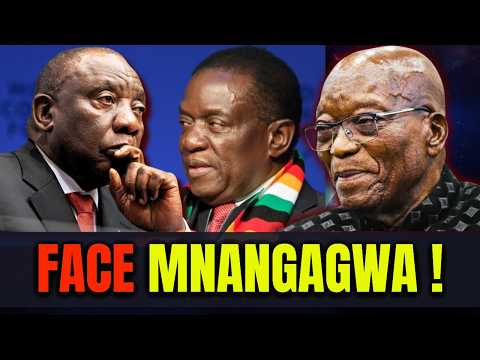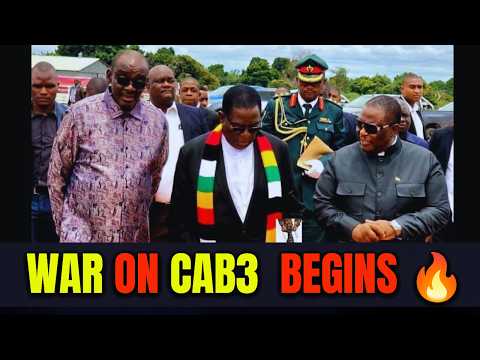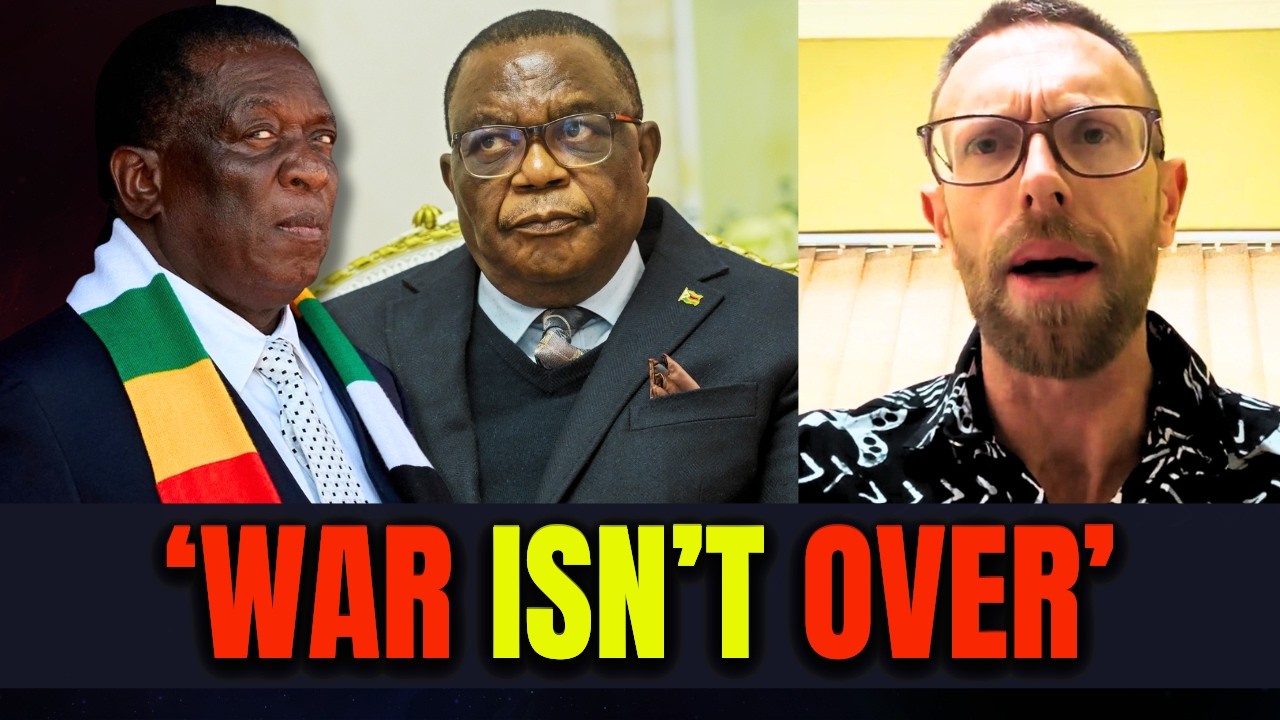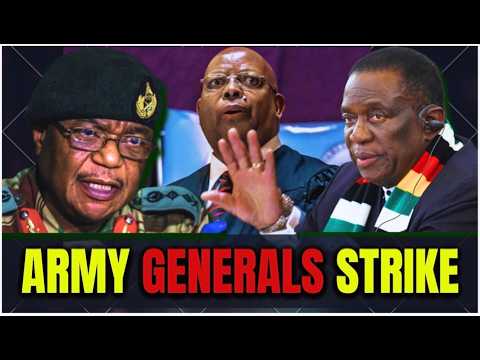
In a dramatic escalation of political tensions, President Mnangagwa has been effectively blocked by military generals who are now demanding that the controversial Constitutional Amendment Bill No. 3 be subjected to a national referendum. The report, brought to light by the channel Rumbie Uncensored, signals a significant fracture at the highest levels of power, as the military hierarchy asserts its influence over the legislative process. This intervention marks a pivotal moment, as the push for constitutional reform faces an unprecedented stalemate between the presidency and the armed forces.
The Path to Institutional Gridlock
The current standoff stems from the proposed Constitutional Amendment Bill No. 3, a piece of legislation that has become the focal point of a struggle for legal and political control. Historically, constitutional amendments require a high degree of consensus, yet the executive branch’s attempt to bypass traditional checks has met with stiff resistance from the military leadership. This development is not merely a procedural dispute; it reflects a deeper underlying friction regarding the separation of powers and the extent to which the military views itself as the ultimate guarantor of the national constitution. By demanding a referendum, the generals are effectively challenging the executive’s mandate to unilaterally reshape the country's supreme law.
Analyzing the Military-Executive Divide
This event represents a critical shift in the power dynamics within the government. When military generals publicly or semi-publicly intervene in legislative matters, it signals that the internal mechanisms for policy debate have failed. By demanding that the bill go to a referendum, the military is positioning itself as the defender of public participation, essentially stripping the presidency of its ability to move the bill forward through traditional parliamentary channels alone. This analysis suggests that Mnangagwa’s administration is currently struggling to maintain a unified front, as the military’s demand introduces a level of public scrutiny that the executive branch likely hoped to avoid.
Consequences for National Stability
The impact of this blockade is profound, casting uncertainty over the legislative agenda and the future of constitutional governance. If the military continues to insist on a referendum, the government risks a prolonged period of instability where the constitutional framework remains in flux. For the citizenry, this represents a rare instance where the military’s influence is directly clashing with executive ambition. The potential for a referendum would fundamentally change how laws are passed, shifting the power from party-controlled parliament floors to the broader public, a move that carries both the potential for democratic engagement and the risk of further political polarization.
Public and Institutional Reactions
The reaction to this intervention has been swift, with observers and political stakeholders closely watching how the executive will navigate this forced pause. The demand for a referendum has resonated with those who have been critical of the bill, turning the military's stance into a rallying point for those seeking greater transparency in the amendment process. While the executive has remained largely silent on the specifics of the generals' demands, the tension is palpable in the corridors of power. The public, represented by the discourse on channels like Rumbie Uncensored, appears to be grappling with the reality that the military is now the primary obstacle to the president’s legislative goals.
Future Implications of the Standoff
Moving forward, the focus will be on whether President Mnangagwa concedes to the generals or attempts to circumvent their demands. If a referendum is held, it will be a historic exercise in constitutional law, forcing the administration to justify the necessity of Amendment Bill No. 3 to the entire nation. Conversely, if the presidency chooses to push back against the military, it could lead to an even deeper crisis of authority. Observers should keep a close watch on future legislative sessions and any official statements from military leadership, as these will indicate whether the blockage is a temporary hurdle or a permanent shift in the nation's political trajectory.