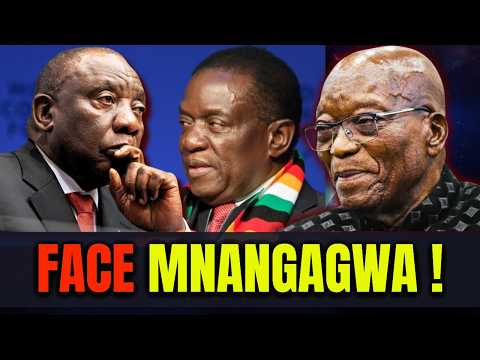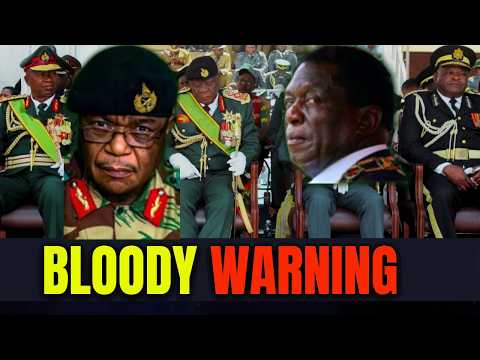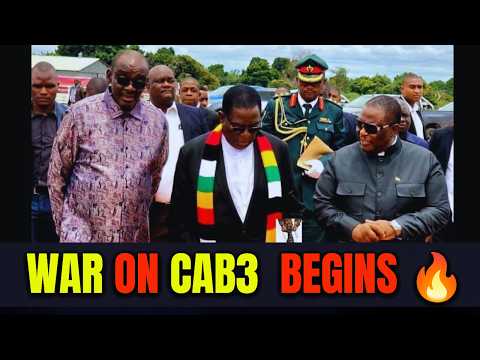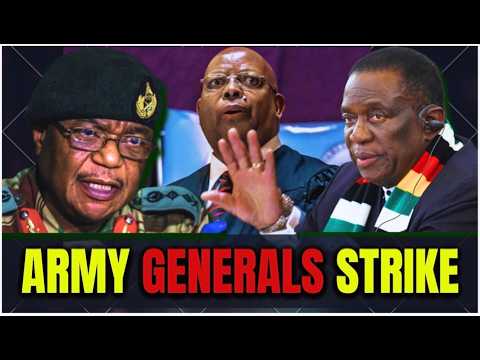
In a dramatic escalation of political tensions, President Emmerson Mnangagwa has been effectively blocked by military generals who are now demanding that the controversial Constitutional Amendment Bill No.3 be subjected to a national referendum. The standoff, reported by the channel Rumbie Uncensored, signals a significant fracture in the power dynamics of the state, as the military asserts its influence over the legislative process. This intervention forces a halt to the executive's unilateral push for constitutional changes, placing the fate of the proposed amendment directly into the hands of the electorate.
The Legislative Impasse
The current crisis stems from the government's attempt to fast-track Constitutional Amendment Bill No.3, a move that has faced mounting scrutiny from various stakeholders. For months, the legislative agenda has been dominated by debates regarding the scope and implications of these changes. The military's sudden demand for a referendum marks the first time such a high-level institutional block has been publicly linked to the specific passage of this bill. By insisting on a public vote, the generals are challenging the executive's authority to alter the supreme law of the land without explicit, direct democratic consent from the Zimbabwean people.
Institutional Power Dynamics
This development suggests a profound shift in the internal stability of the nation. When military leadership intervenes in the legislative process to demand a referendum, it indicates that the constitutional amendment is viewed as a matter of national security rather than mere policy. The demand for a referendum serves as a mechanism to curb executive overreach, forcing a public debate that the administration likely sought to avoid. This move highlights the precarious nature of governance in Southern Africa, where constitutional amendments are frequently used to consolidate power, and where institutional pushback can lead to sudden, high-stakes political gridlock.
Regional Stability and Governance
The ripple effects of this standoff are likely to be felt across the Southern African Development Community (SADC) region. Constitutional integrity is a cornerstone of regional stability, and the military’s direct involvement in the legislative process raises critical questions about the separation of powers. If the government is forced to concede to a referendum, it could set a precedent for how future constitutional changes are handled across the continent. Investors and international observers are watching closely, as the stability of the Zimbabwean state is intrinsically linked to the broader economic and political health of the Southern African bloc.
Public and Institutional Response
The news of the military's intervention has sent shockwaves through the political landscape. Citizens and civil society organizations are now grappling with the reality of a state where the executive's legislative agenda has been halted by the security establishment. While some view the demand for a referendum as a democratic safeguard, others are wary of the implications of military involvement in civilian lawmaking. The discourse on social media and within political circles is intensifying, as stakeholders attempt to decipher whether this move is a genuine push for democratic participation or a tactical maneuver within the upper echelons of power.
The Path to a Referendum
Looking ahead, the focus shifts to whether the administration will comply with the military's demand or attempt to circumvent the requirement for a referendum. If a referendum is held, it will represent a massive logistical and political undertaking that could redefine the current administration's mandate. Observers are monitoring whether the government will engage in negotiations with the military to find a middle ground or if the impasse will lead to further institutional friction. The coming weeks will be decisive in determining the direction of Constitutional Amendment Bill No.3 and the future of the current executive's influence over the constitution.