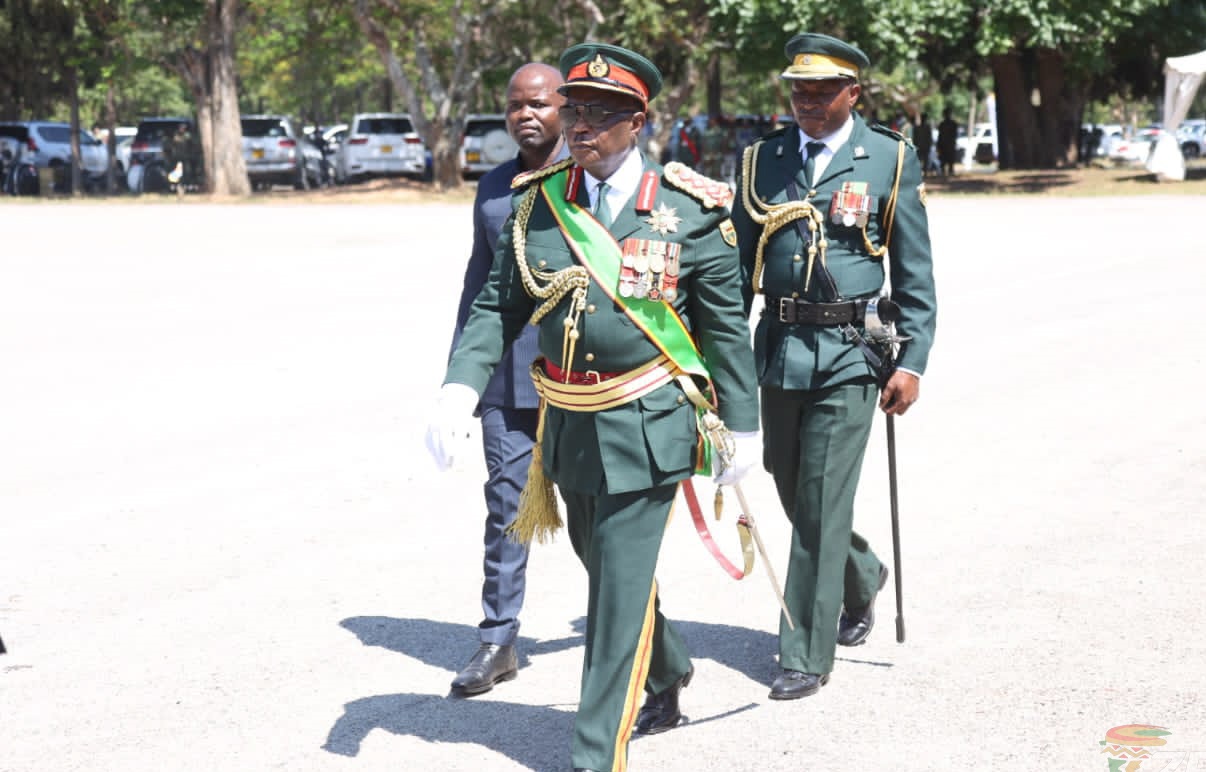
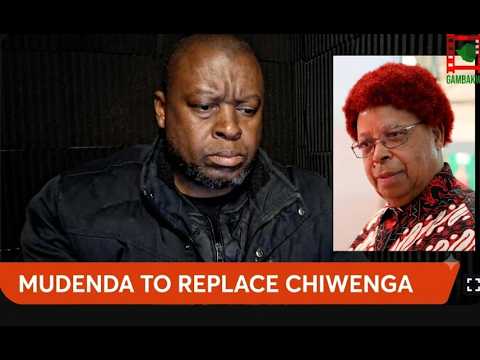
Harare, Zimbabwe — A dramatic escalation in Zimbabwe’s ruling party power struggle has erupted after unverified but widely circulated reports alleged President Emmerson Mnangagwa orchestrated a plot to arrest Vice President Constantino Chiwenga and several senior military commanders. The alleged operation, sources say, collapsed spectacularly when key security units refused to carry out the orders, leaving Mnangagwa isolated and the country on edge.
The Alleged Plot and Its Origins
Tensions between Mnangagwa and Chiwenga have been simmering since at least 2018, when the president sidelined the vice president in key military appointments. The rift deepened in 2023 after Chiwenga publicly criticized the government’s handling of the economy and the succession debate over who will lead ZANU-PF in 2028. The video report that triggered this new wave of speculation claims that Mnangagwa, fearing a coup, authorized the Zimbabwe Republic Police and the Central Intelligence Organisation to arrest Chiwenga and three unnamed generals on charges of insubordination and plotting to overthrow the government.
“What we are seeing is a desperate attempt by a weakened president to preempt what he sees as an inevitable move by the military to replace him,” said a Harare-based political analyst who requested anonymity due to the sensitivity of the subject. “But the plan has backfired because the military remains deeply loyal to Chiwenga, who is their own. Mnangagwa has effectively called a bluff and lost.”
The alleged plot included the seizure of Chiwenga’s personal communications, the freezing of assets belonging to his allies, and the arrest of at least two colonels who were due to testify before a military tribunal. However, the operation reportedly fell apart when a police unit sent to pick up Chiwenga was intercepted by an armored battalion from the 1st Brigade, which instead detained the police officers.
Geopolitical and Regional Fallout
Zimbabwe’s crisis is rapidly becoming a Southern African issue. The Southern African Development Community, which has mediated previous political standoffs in Zimbabwe, has called for calm and restraint. Analysts warn that any open conflict between the civilian government and the military could destabilize the entire region, given Zimbabwe’s strategic location as a landlocked transport hub linking South Africa, Zambia, and Mozambique.
“A breakdown in civil-military relations in Zimbabwe would send shockwaves through SADC,” said Dr. Thandiwe Ndlovu, a senior fellow at the Institute for Security Studies in Pretoria. “South Africa, Botswana, and Zambia all rely on Zimbabwe’s roads and railways for trade. Political chaos in Harare could choke supply chains and trigger refugee flows.”
The economic stakes are equally high. Zimbabwe is already grappling with hyperinflation above 500 percent, a collapsing currency, and severe food shortages. The political uncertainty has already caused the Zimbabwe Stock Exchange to plummet 12 percent in two days, and the parallel market rate for the US dollar has surged. International investors, who were cautiously returning after the 2023 currency reforms, are now freezing new commitments.
Meanwhile, the United States and European Union have issued statements expressing deep concern. US Ambassador to Zimbabwe Pamela Tremont said in a press release that “any extrajudicial arrests or military intervention would be unacceptable and would trigger immediate sanctions reviews.” The EU has already signaled that it will delay the disbursement of a $105 million budget support package pending clarity on the situation.
The most immediate threat, however, remains internal. If the reports of a failed arrest plot are accurate, Mnangagwa’s authority has suffered a crippling blow. The Zimbabwean constitution grants the president the power to dismiss the vice president, but any such move would almost certainly be met with military resistance. Chiwenga has remained silent publicly, but his allies have begun rallying support within the army and the war veterans’ association.
“This is the most dangerous moment for Zimbabwe since November 2017,” said the analyst. “Back then, the military acted with a single purpose. Now, the army is fractured. That makes the outcome unpredictable.”
As night fell over Harare, checkpoints manned by both police and soldiers dotted the capital. The Zimbabwe Broadcasting Corporation ran a loop of patriotic songs, and state media outlets have been instructed to avoid reporting on any political tensions. The silence is more telling than any statement.