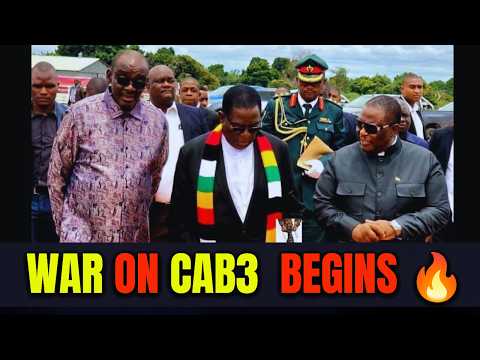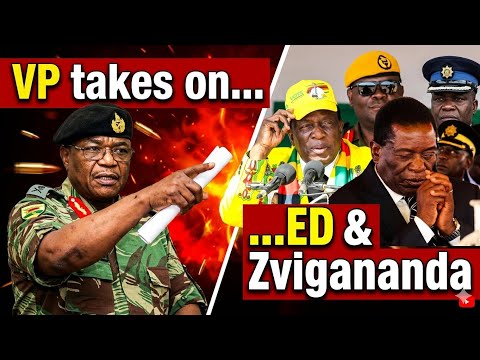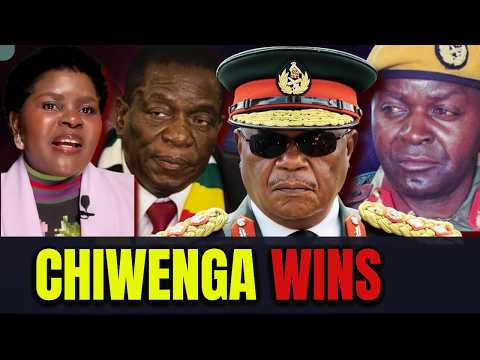
A political earthquake has hit Zimbabwe, with reports surfacing of a high-stakes power struggle between President Emmerson Mnangagwa and the country’s military leadership. Allegations have emerged that the President is orchestrating a plot to arrest senior army generals, a move that could destabilize the fragile political landscape in Southern Africa.
Political analysts suggest that this friction is not merely a internal party matter but a direct challenge to the power dynamics that have defined Zimbabwe since the 2017 military intervention. The potential arrest of army generals, who are central to the nation's security apparatus, signals a deepening rift within the ruling party, ZANU-PF, and raises urgent questions about the future of civilian-military relations in the region.
The geopolitical implications are significant. Zimbabwe’s stability is crucial for the broader Southern African Development Community (SADC). Any escalation in this conflict could trigger a regional crisis, impacting trade, migration, and security cooperation across Southern Africa. Experts are closely monitoring the situation, noting that the involvement of powerful figures like Vice President Constantino Chiwenga indicates that this is a battle for the soul of the country's leadership.
The current tension is compounded by ongoing concerns about governance and economic mismanagement. As the country grapples with hyperinflation and a crumbling infrastructure, the internal focus on consolidating power rather than addressing citizen needs has drawn sharp criticism from both domestic and international stakeholders. The unfolding situation remains fluid, with observers warning that the potential for further instability is high as the power struggle reaches a critical juncture.
The international community is watching with bated breath, as the outcome of this power struggle will likely determine the political trajectory of Zimbabwe for years to come.