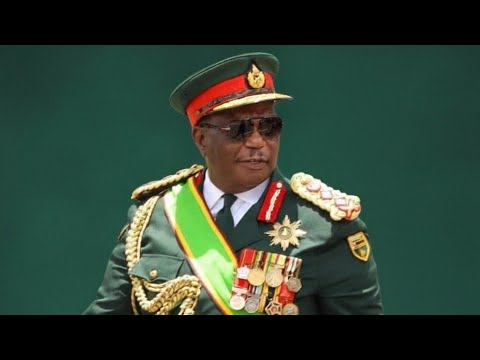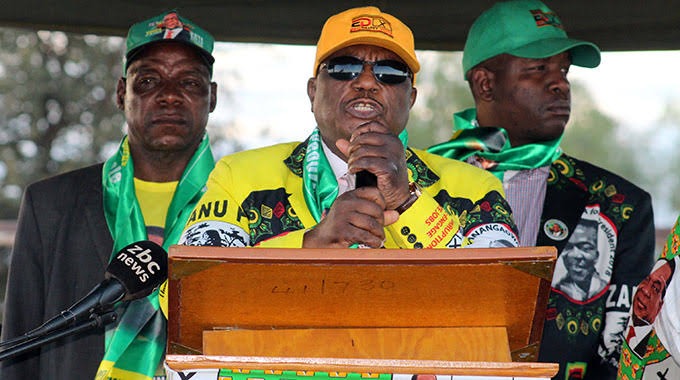
A formal statement released by a group identifying as the ‘Defenders of Vice President Chiwenga and the Constitution of Zimbabwe’ has confirmed that an assassination attempt was made against Vice President Constantino Chiwenga on April 11 in Gwero. The disclosure marks a significant escalation in the internal power struggles within the Zimbabwean government, raising critical questions about the stability of the current political order in Southern Africa.
The incident, which reportedly occurred during the Vice President’s visit to the Midlands province, has been linked to a group of armed individuals. While details remain fluid, the formal statement asserts that the attempt was a calculated move to neutralize the Vice President. This development has sent shockwaves through the region, as observers monitor how this will impact the delicate balance of power in Harare and the broader Southern African Development Community (SADC) bloc.
Escalating Political Instability
The confirmation of the assassination attempt comes amid a broader climate of political tension. Analysts suggest that the move reflects deep-seated divisions within the ruling party, which have become increasingly public. The involvement of armed actors in high-level political disputes poses a severe threat to regional security, particularly as Zimbabwe continues to navigate economic challenges. The international community is closely watching these events, as any further instability in Zimbabwe could have far-reaching consequences for neighboring countries, including South Africa, which is already grappling with its own internal governance crises.
The alleged plot has also drawn attention to the role of security apparatuses in the country. With the arrest of a suspect in Harare, who was reportedly found in possession of a semi-automatic weapon, the focus has shifted to the integrity of the state’s security institutions. The demand from the Vice President’s supporters for an immediate end to these threats underscores the volatility of the current situation. As the political landscape in Zimbabwe continues to shift, the potential for further conflict remains a primary concern for regional leaders.
Regional Security and Governance Concerns
The situation in Zimbabwe is being viewed through the lens of regional governance, with many experts drawing parallels to the political instability seen in other parts of the continent. The inability of state institutions to maintain order and the rise of factional violence are being cited as major red flags. For Southern Africa, the stability of Zimbabwe is not merely a domestic issue but a regional imperative. The ongoing power struggle, if left unchecked, could undermine regional integration efforts and exacerbate the economic difficulties faced by millions in the region.
As the investigation into the assassination attempt continues, the international community is calling for transparency and accountability. The involvement of various factions in the political process has made it difficult to discern the true extent of the threat, yet the evidence points to a coordinated effort to destabilize the leadership. With the eyes of the world on Harare, the coming weeks will be critical in determining whether the country can avoid a deeper descent into chaos.