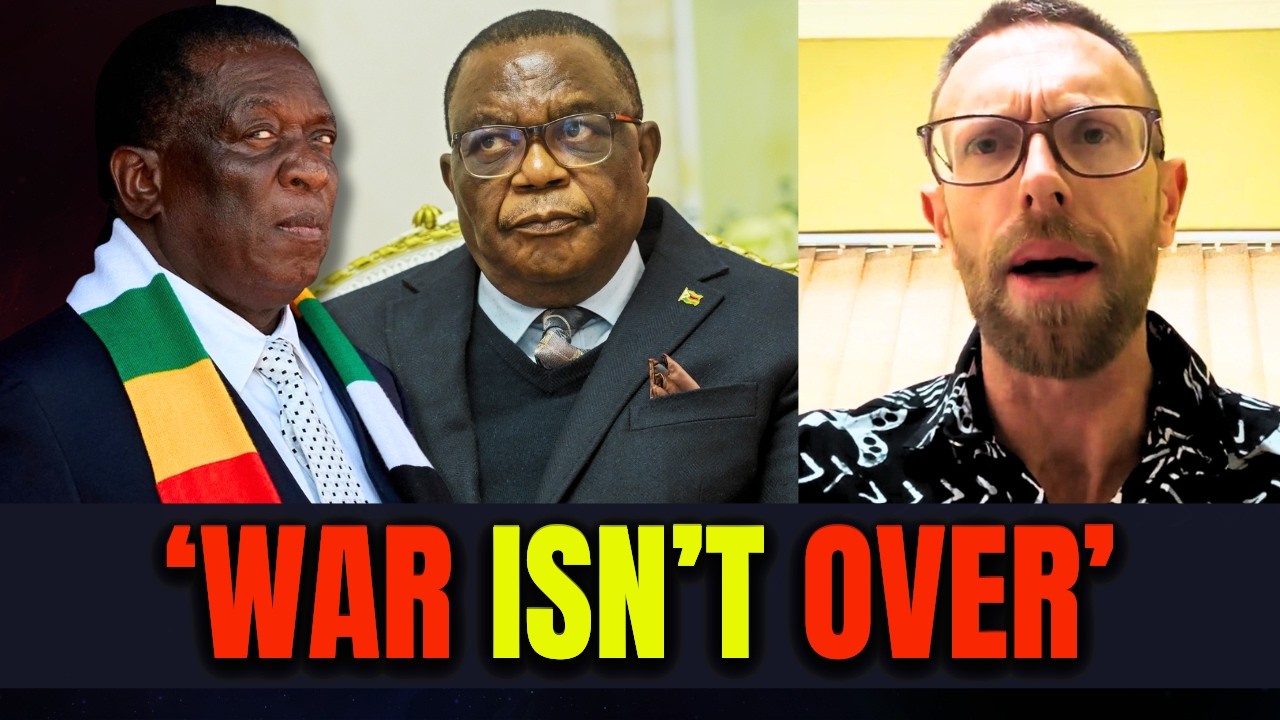
In a seismic shift for Southern African geopolitics, opposition stalwart Nelson Chamisa has successfully mobilized both domestic and international pressure to halt President Emmerson Mnangagwa’s brazen attempt to amend the constitution to extend his rule until 2030. The maneuvering, which centers on the illegitimacy of the 2023 electoral process, has effectively paralyzed the ZANU-PF machinery, forcing a high-stakes standoff that threatens the stability of the entire SADC region. By challenging the legal basis for a term extension, Chamisa has transformed a local legislative dispute into a litmus test for democratic resilience in the face of creeping authoritarianism.
The Architect of Entrenchment: Mnangagwa’s 2030 Ambition
Since his ascent to power in the 2017 coup that ousted Robert Mugabe, Emmerson Mnangagwa has systematically consolidated control over state institutions. The '2030 agenda' was designed to bypass the two-term limit set by the 2013 Constitution, which would have seen him step down in 2028. According to data from the Zimbabwe Election Support Network (ZESN), the ruling party has spent millions in public funds and state-aligned media campaigns to manufacture consent for this extension. Historical context shows that this pattern mirrors the late Mugabe’s tenure, where constitutional amendments were frequently used to circumvent term limits, a strategy that historically triggered hyperinflation and the collapse of the Zimbabwean dollar.
Geopolitical Implications for Southern Africa
The implications of this standoff extend far beyond the borders of Harare. Southern African Development Community (SADC) leaders, currently grappling with democratic backsliding in countries like Eswatini and Mozambique, are watching closely. Dr. Tafadzwa Mupariwa, a regional security analyst, argues: 'If Mnangagwa succeeds in bypassing constitutional term limits, it creates a dangerous precedent for the region, signaling that the SADC principles of democratic elections are essentially toothless.' For Zimbabwe, a nation already suffering from a 15% unemployment rate and massive capital flight, the continued uncertainty regarding leadership succession is acting as a primary deterrent for foreign direct investment, stalling essential infrastructure projects in the mining and energy sectors.
Economic Consequences and Human Toll
The impact of this political paralysis is felt most acutely in the pockets of ordinary Zimbabweans. With inflation rates fluctuating wildly and the local currency struggling to maintain value, the focus on the '2030 bid' has diverted government attention from the 2024 El Niño-induced drought that has left nearly 2.7 million people in need of food aid. Economic experts at the World Bank note that the lack of institutional trust—exacerbated by the constitutional crisis—has led to a 40% reduction in long-term credit facilities for local businesses. When the state prioritizes tenure over economic reform, the primary casualty is the social safety net, further fueling the exodus of skilled labor to South Africa and the United Kingdom.
Regional and International Reaction
The international response has been swift and critical. Human Rights Watch and various EU observers have issued stern warnings regarding the erosion of the rule of law. 'The attempt to change the fundamental law of the land to suit one individual is an affront to the democratic aspirations of the Zimbabwean people,' remarked a spokesperson for the European Union delegation in Harare. Conversely, factions within ZANU-PF remain defiant, citing the need for 'policy continuity' to complete ongoing infrastructure projects. However, the internal friction within the party is palpable, as younger, ambitious cadres fear that a 2030 extension effectively locks them out of the executive branch for another decade.
The Road Ahead: A Constitutional Crossroads
What happens next remains a volatile variable. Chamisa’s strategy is clear: continue to leverage the international community’s refusal to recognize the legitimacy of the current administration while maintaining pressure on the legal front. Should the 2030 bid fail completely, observers expect a chaotic internal succession battle within ZANU-PF, which could lead to further instability or, conversely, a necessary period of reform. For now, Zimbabwe remains in a state of suspended animation, waiting to see if the constitutional guardrails will hold against the weight of authoritarian ambition. The next six months will be decisive for the future of Southern African democracy.