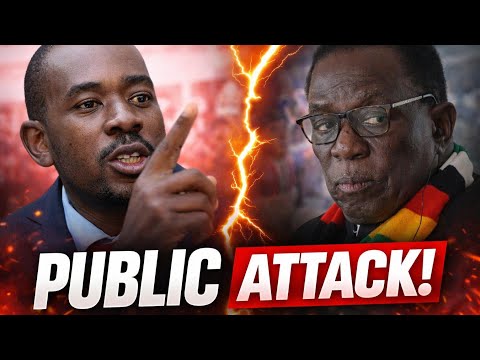
In a direct and public confrontation that has sent shockwaves through the political landscape, Nelson Chamisa has launched a scathing verbal strike against President Mnangagwa. The confrontation, captured by the channel Zimbabwe Now, marks a significant escalation in the ongoing friction between the two figures. This public challenge underscores a deepening divide, signaling a critical moment in the current political trajectory of the nation.
The Genesis of a Political Standoff
The roots of this public strike lie in the protracted and often volatile relationship between Chamisa and President Mnangagwa. For years, the two have occupied opposing ends of the political spectrum, with their rivalry defining much of the internal discourse. This latest incident is not an isolated event but rather the culmination of mounting tensions that have been building behind the scenes. As the channel Zimbabwe Now reports, the public nature of this strike suggests a shift from private negotiation to overt, high-stakes confrontation.
Analyzing the Strategic Shift
From an analytical perspective, Chamisa’s decision to strike publicly at President Mnangagwa indicates a calculated shift in political strategy. By bringing these grievances into the public sphere, Chamisa is forcing a direct response from the presidency, effectively bypassing traditional channels of discourse. This move serves to galvanize supporters and frame the narrative of the current administration’s performance. It is a high-risk maneuver that seeks to expose perceived vulnerabilities in the executive branch while asserting a more aggressive stance in the national debate.
The Broader Geopolitical Implications
The fallout from this public strike resonates far beyond the immediate political theater. In the context of Southern Africa, political stability in the region is often viewed through the lens of internal governance and the health of democratic institutions. When a figure of Chamisa’s stature directly challenges the sitting president, it sends a signal to regional observers about the state of political discourse. The stability of the nation is intrinsically linked to how these elite power struggles are managed, and this public strike suggests that the current environment is becoming increasingly polarized.
Public and Stakeholder Response
The reaction to this event has been immediate and polarized, reflecting the deep divisions within the public consciousness. Supporters of Chamisa have framed the strike as a necessary act of accountability, while those aligned with President Mnangagwa have criticized the tone and timing of the confrontation. Stakeholders are closely monitoring these developments, as the rhetoric used by both sides sets the tone for future interactions. The digital discourse, amplified by platforms like YouTube, has allowed this confrontation to reach a global audience, further intensifying the pressure on both leaders to justify their positions.
Anticipating the Next Political Move
Looking ahead, the question remains how President Mnangagwa will respond to this public challenge. Will the administration opt for a measured rebuttal, or will this trigger a more severe crackdown on political opposition? Observers should watch for any shifts in executive policy or changes in the security posture that may follow such a high-profile strike. As the situation continues to evolve, the ability of both parties to navigate this heightened tension will determine the immediate future of the nation’s political stability.