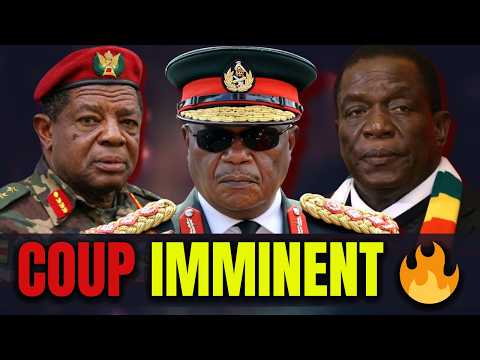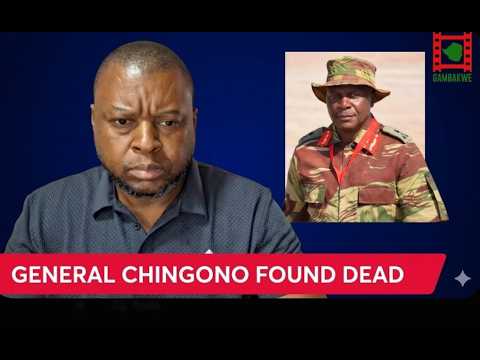
Major General Hebert Chingono of the Zimbabwe military has been found dead, a development that has sent shockwaves through the security and political landscape of the nation. The report, initially surfaced by Gambakwe Media, confirms the loss of a high-ranking military official, though specific details surrounding the cause and time of death remain subject to intense scrutiny. This breaking news marks a significant moment for the country’s defense establishment as authorities move to address the circumstances of his passing.
The Context of Military Leadership
The death of a Major General within the Zimbabwean military structure is an event that carries heavy weight, given the institution's pivotal role in the nation's governance and stability. Major General Hebert Chingono was a figure whose professional life was deeply embedded in the strategic operations of the state. Understanding the environment in which he served is essential to grasping the gravity of this loss. As the military remains a central pillar in the regional security architecture of Southern Africa, the vacancy left by such a senior officer invites questions about the continuity of command and the internal stability of the defense forces.
Investigative Analysis of the Report
Reporting by Gambakwe Media has brought this development to the public eye, highlighting the critical nature of information dissemination regarding high-profile figures. In the context of Zimbabwe, where the military holds significant influence, the death of a Major General is rarely viewed through a purely administrative lens. Analysts suggest that the sudden nature of such reports necessitates a cautious examination of the facts as they emerge. The intersection of military authority and public interest makes the verification of these details a priority for observers tracking the nation’s internal security affairs.
Regional Impact and Security Consequences
Zimbabwe serves as a cornerstone of stability in Southern Africa, and any disruption within its top-tier military hierarchy has a cascading effect on regional cooperation. Major General Hebert Chingono’s role likely involved cross-border security coordination, an area where Zimbabwe acts as a mediator and enforcer. His death could potentially shift the dynamics of regional security agreements. The impact of losing a senior commander is not confined to national borders; it reverberates through the regional security apparatus, influencing how neighboring countries engage with Zimbabwe on matters of defense and strategic interest.
Public and Institutional Reaction
The announcement has triggered a wave of concern and speculation across various platforms. As news of the Major General’s death spreads, stakeholders are looking for official statements to clarify the circumstances. The reaction from the public, as captured by independent media outlets, reflects a deep-seated interest in the transparency of the military’s internal affairs. This reaction is indicative of the broader tension that often follows the passing of state officials in high-stakes environments, where the vacuum of information is quickly filled by public demand for accountability and clarity.
Looking Ahead: What to Expect Next
Moving forward, the primary focus will be on the official acknowledgment of the death and the subsequent investigation that typically follows the passing of a Major General. Observers will be watching for any changes in the military command structure or shifts in defense policy that might signal how the institution is adapting to this loss. The coming days will be critical in determining whether the military provides a definitive account of the events surrounding Major General Hebert Chingono’s death, which will be essential for maintaining public trust and regional stability in Southern Africa.