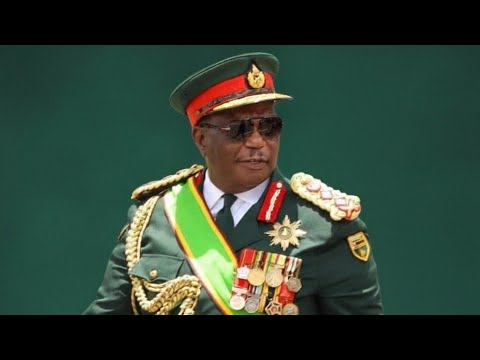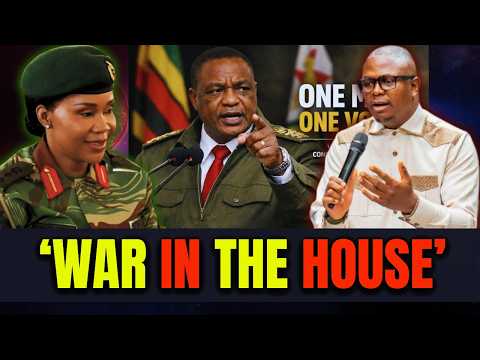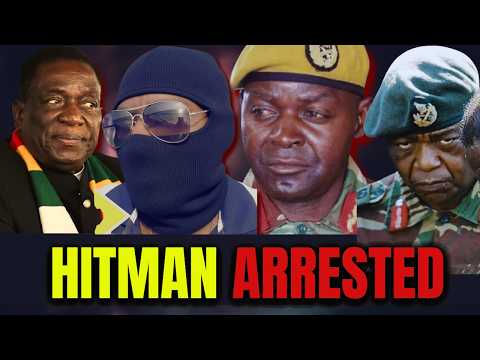
A high-stakes security breach has rocked Zimbabwe, with reports confirming the arrest of a military intelligence officer allegedly tasked with assassinating Vice President Constantino Chiwenga and General Anselem Sanyatwe. The suspect, identified as Albert Tizwa, was apprehended while in transit, carrying a firearm that officials say was not authorized for his rank. The incident has sent shockwaves through the political establishment in Harare, raising urgent questions about the stability of the current administration.
Tizwa, who serves in the Presidential Guard, was reportedly intercepted while allegedly carrying out orders from senior military figures. The arrest has intensified scrutiny on the internal power dynamics within the government, with critics pointing to the incident as evidence of deep-seated fractures. The suspect is currently in custody, and an investigation is underway to determine the extent of the plot and the identity of the masterminds behind the attempted hit.
Security Crisis and Political Instability
The attempted assassination comes at a time of heightened tension in Southern Africa, where regional leaders are closely monitoring the political climate in Zimbabwe. The incident is being viewed as a symptom of a broader crisis that threatens to destabilize not just the country, but the surrounding region. Analysts warn that such brazen attempts on the lives of top officials could lead to further political volatility, impacting regional economic stability and security cooperation.
The arrest has also reignited debates about the role of the military in domestic politics. With the suspect being a member of the Presidential Guard, the incident underscores the challenges of maintaining control over security apparatuses in an environment defined by political infighting. As the investigation continues, the international community is calling for transparency and accountability, emphasizing that the rule of law must prevail to prevent further escalation of the crisis.
This development serves as a stark reminder of the fragile state of governance in Zimbabwe. The impact of such instability is felt throughout Southern Africa, as neighboring countries grapple with the ripple effects of political crises in their midst. The situation remains fluid, with observers waiting to see how the government will respond to this direct threat to its leadership.