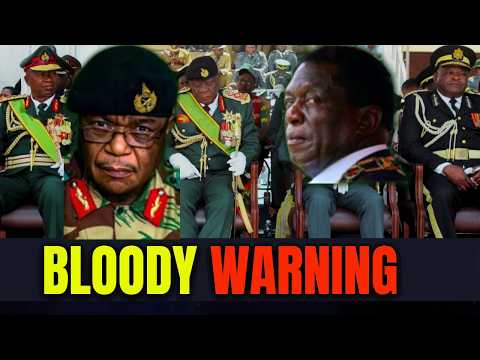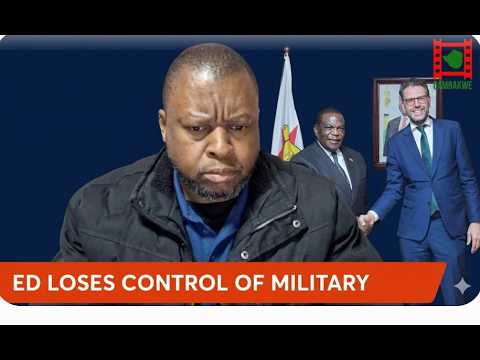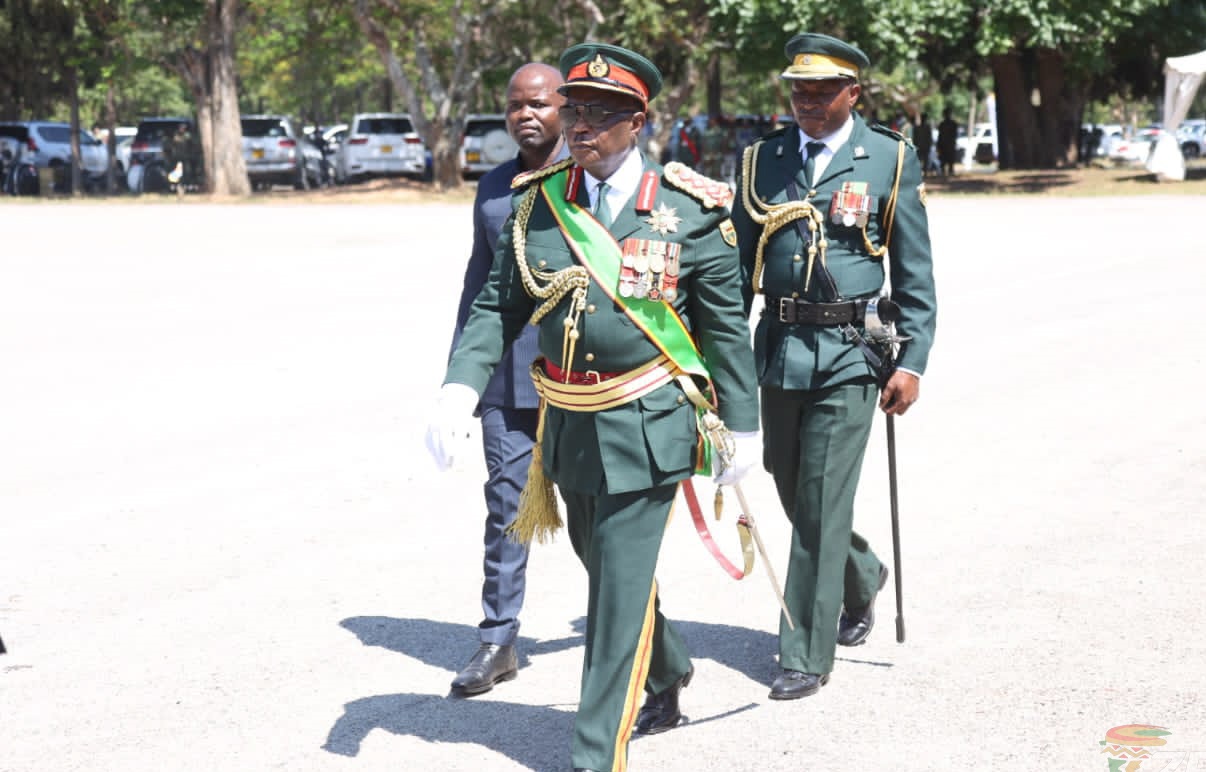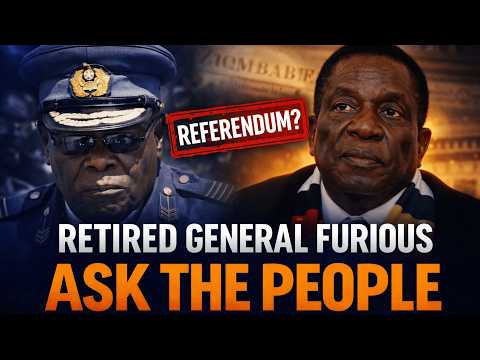
A growing firestorm of dissent has erupted as retired military generals have publicly expressed their fury toward President Mnangagwa, issuing a defiant declaration that 'power belongs to the people.' The confrontation, documented by Zimwaves TV, signals a significant fracture within the political and security establishment. This rare and vocal opposition from former high-ranking military officials challenges the current administration's authority and underscores a deepening crisis regarding the legitimacy of political power in the country.
The Roots of Institutional Friction
The tension articulated in the Zimwaves TV report stems from long-standing grievances regarding the distribution of political power and the governance style of the Mnangagwa administration. The involvement of retired generals—individuals who once formed the backbone of the state's security apparatus—suggests that the dissatisfaction is not merely peripheral but rooted in the core institutions that have historically sustained the regime. This development marks a transition from internal silence to public confrontation, indicating that the traditional lines of loyalty within the power structure are being radically redrawn.
Analyzing the Shift in Military Sentiment
When retired generals invoke the phrase 'power belongs to the people,' they are engaging in a strategic effort to reclaim the narrative of sovereignty. From an analytical perspective, this rhetoric is designed to strip the current administration of its claim to institutional support. By distancing themselves from Mnangagwa, these military figures are effectively signaling to the public and to international observers that the executive branch no longer enjoys the monolithic backing of the security sector. This is a critical pivot, as the military has historically been the final arbiter of political stability in the region.
The Regional Impact of Internal Instability
The implications of this friction extend far beyond the borders of any single nation, serving as a bellwether for the stability of Southern Africa. As the regional geopolitical landscape relies on the predictability of its power structures, the public dissent of key military figures in Zimbabwe creates a vacuum of authority that could have cascading effects on regional security and economic cooperation. The message delivered by these generals serves as a direct challenge to the status quo, forcing stakeholders to reconsider their strategic alliances and their long-term commitments to the stability of the current leadership.
Public and Institutional Reactions
The reaction to the Zimwaves TV footage has been profound, as citizens and political analysts alike attempt to decipher the gravity of this military-led pushback. Within the country, the rhetoric has emboldened civil society groups who have long sought to emphasize the democratic mandate of the population over the executive decrees of the leadership. Stakeholders are closely watching how the state responds to these accusations, as any heavy-handed crackdown could further alienate the retired military cadre and widen the rift within the nation’s power base.
Future Trajectories for the Administration
Looking ahead, the critical factor to monitor is whether this dissent remains contained to retired officers or if it gains traction among active-duty personnel. The administration’s ability to maintain control will depend on its capacity to neutralize this narrative or engage in a high-stakes reconciliation. Observers should watch for any shifts in state policy, potential cabinet reshuffles, or further public statements from the security sector that may confirm whether this represents an isolated grievance or the beginning of a broader systemic challenge to Mnangagwa’s leadership.