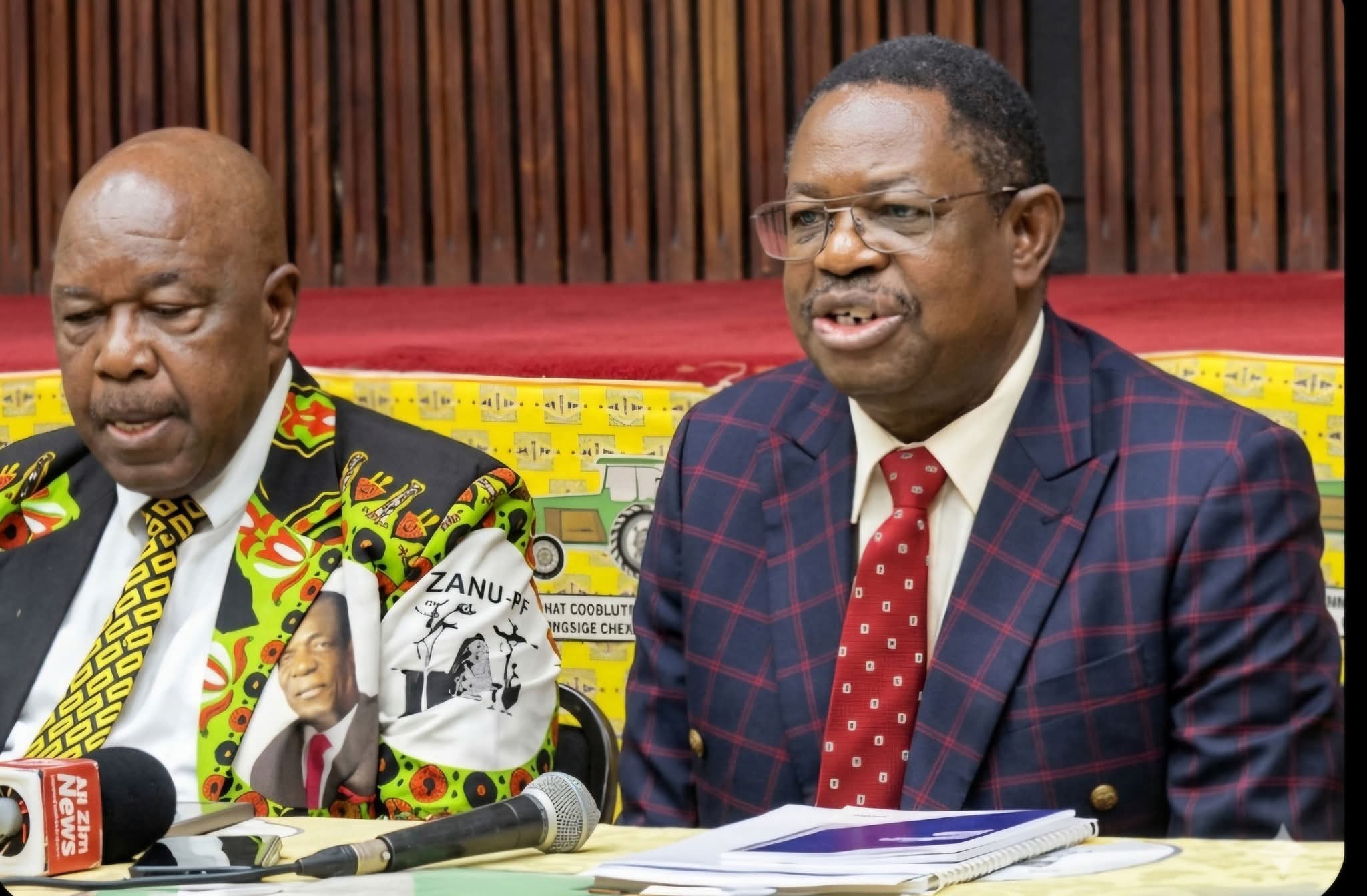
Zimbabwe’s ruling ZANU-PF party is laying the legal groundwork to scrap presidential term limits through a simple parliamentary amendment, effectively bypassing a public referendum. Paul Mangwana, the party’s legal secretary and a key architect of the 2013 Constitution, explicitly stated that the legislature holds the power to alter the supreme law without seeking the mandate of the Zimbabwean electorate. This move signals a definitive push to extend President Emmerson Mnangagwa’s tenure beyond 2028, threatening to dismantle the democratic safeguards established after decades of political instability.
The Architecture of Constitutional Erosion
The 2013 Constitution was hailed as a landmark achievement, passed by an overwhelming 94.5% of voters in a national referendum. It included strict two-term limits for the President to prevent the consolidation of power that characterized the late Robert Mugabe’s 37-year rule. However, Mangwana’s current interpretation suggests that ZANU-PF’s two-thirds majority in Parliament is sufficient to bypass the public. This strategy echoes the 2017 transition, where institutional maneuvers replaced electoral processes. With the national debt exceeding $17 billion and inflation volatility remaining a constant threat, the focus on constitutional engineering rather than economic reform highlights a government prioritizing regime longevity over institutional stability.
Regional Implications for Southern Africa
The erosion of presidential term limits in Zimbabwe sends a chilling signal across the Southern African Development Community (SADC). As nations like Botswana and South Africa grapple with their own democratic pressures, Harare’s move risks normalizing 'constitutional coups'—where leaders use legal frameworks to extend power indefinitely. Dr. Tapiwa Mashonganyika, a regional political analyst, notes: 'When one SADC nation successfully hollows out its constitution, it creates a playbook for others. It undermines the regional commitment to the rule of law, which is the bedrock of foreign direct investment in the SADC bloc.' This shift threatens to isolate Zimbabwe further from Western markets and democratic norms, potentially destabilizing the regional security architecture.
Economic and Social Consequences
The immediate impact of this political maneuvering is a sharp decline in investor confidence. Data from the Zimbabwe National Chamber of Commerce indicates that policy uncertainty remains the number one barrier to growth, contributing to a 40% decline in foreign capital inflow since 2022. By signaling that the constitution is malleable, ZANU-PF risks alienating the international donor community and complicating debt restructuring negotiations under the Paris Club. For the average Zimbabwean, the focus on term limits is a diversion from the 80% unemployment rate and the collapse of the public health sector, further widening the gap between the political elite and the impoverished citizenry.
Domestic and International Reactions
Civil society organizations and the opposition have reacted with fury. The Zimbabwe Lawyers for Human Rights (ZLHR) has threatened litigation, arguing that any attempt to change presidential term limits without a referendum is a violation of the Constitution’s 'spirit and letter.' Internationally, the European Union and the United States have signaled concern, with diplomatic sources suggesting that such a move could trigger a review of existing sanctions. 'The international community cannot ignore a blatant attempt to subvert the democratic will of the people,' stated a spokesperson for a major Western embassy in Harare. Meanwhile, ZANU-PF loyalists maintain that the party has the 'sovereign right' to amend the law as it sees fit to ensure 'continuity and stability.'
The Road to 2028: What Lies Ahead
As the legislative process gains momentum, Zimbabwe faces a defining moment. Should ZANU-PF succeed in passing the amendment, it will essentially mark the end of the post-Mugabe era’s promise of democratic reform. Future developments will likely involve a legal battle in the Constitutional Court, which remains a key site of institutional struggle. For Southern Africa, the next eighteen months will serve as a bellwether for the health of regional democracy. Whether the rule of law prevails or succumbs to partisan interests will determine Zimbabwe’s trajectory for the next decade, with profound consequences for the stability of the entire region.