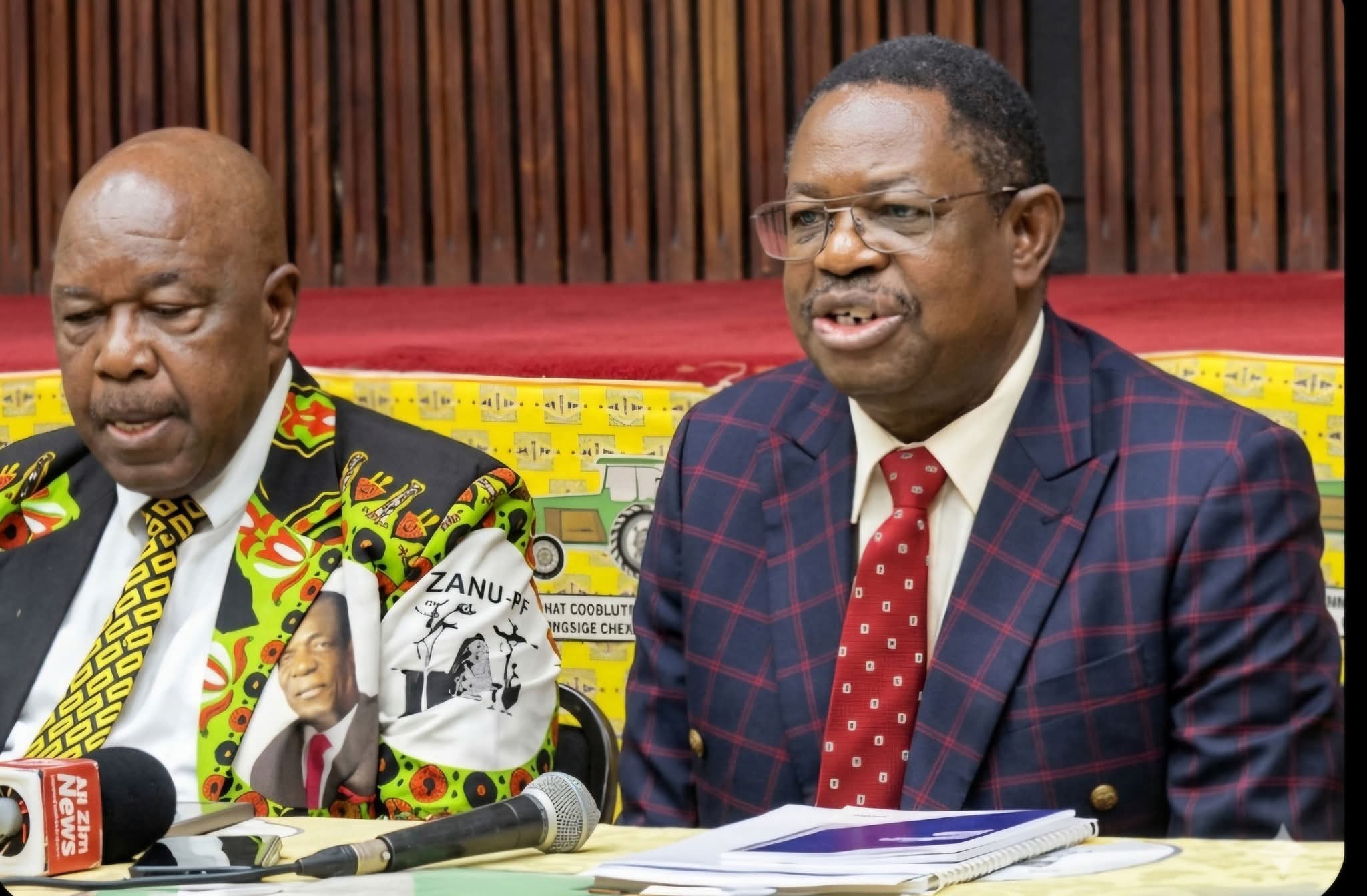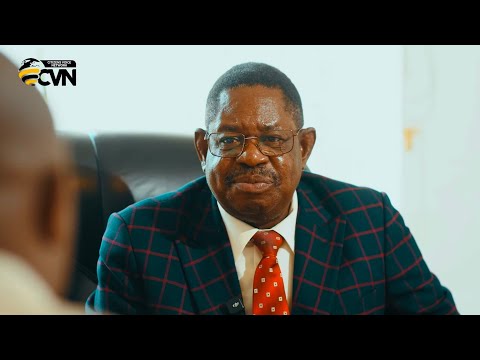
In a high-stakes legal interpretation that could reshape the political landscape of Zimbabwe, Paul Mangwana has asserted that a national referendum is not a legal prerequisite for President Emmerson Mnangagwa (ED) to extend his tenure beyond 2028. Speaking in an exclusive interview featured on the 'Mwana Wevhu- Zim Untold' YouTube channel, Mangwana systematically dismantled the necessity of public polling for such a constitutional transition. This declaration places the constitutional mechanisms of the nation under intense scrutiny as observers question the future of the presidency.
The Constitutional Framework and Legal Precedent
The core of the discourse centers on the interpretation of the current constitution and the legislative avenues available for term adjustments. Mangwana’s analysis suggests that the legal framework provides specific pathways that bypass the traditional requirement of a nationwide referendum. By focusing on internal parliamentary processes and specific legal interpretations of the supreme law, the argument presented in the video challenges the common assumption that the electorate must be consulted directly via a vote to authorize an extension of the presidential term limit. This interpretation represents a significant departure from standard expectations of democratic public engagement.
Deep Analysis of the Mangwana Doctrine
The implications of Mangwana's argument are profound, suggesting a streamlined approach to constitutional amendments that favors institutional action over public participation. By isolating the specific clauses that he claims negate the need for a referendum, the video highlights a strategic legal maneuver designed to facilitate a potential transition or extension without the volatility of a national ballot. This analysis indicates that the machinery of the state may be poised to utilize parliamentary majorities to effect change, effectively centralizing the decision-making process within the legislative chambers rather than the broader electorate.
Impact on Regional Stability and Governance
The assertions made by Mangwana resonate far beyond the borders of Zimbabwe, touching upon the delicate balance of power in Southern Africa. Any shift in presidential term limits within the region is watched closely by regional bodies and international observers, as it sets a precedent for democratic health and the longevity of executive power. The potential for a non-referendum path to extend the presidency creates a ripple effect of uncertainty, influencing how neighboring nations perceive constitutional stability and the rule of law within the Southern African Development Community (SADC) framework.
Public and Stakeholder Reactions
Since the release of the video on 'Mwana Wevhu- Zim Untold,' the discourse has intensified among political analysts, legal experts, and the general public. Reactions are sharply divided between those who view Mangwana’s interpretation as a necessary application of existing constitutional law and those who argue that such a move undermines the democratic legitimacy of the office. The debate highlights a deep-seated tension regarding the intersection of legal technicalities and the spirit of public mandate, with many citizens expressing concern over the lack of direct consultation on a matter of such national significance.
The Road Ahead: What to Watch
As the conversation surrounding the 2028 threshold continues to dominate, the next phase will likely involve testing these legal theories in real-time legislative sessions. Observers should monitor parliamentary activities for any motions or bills that move to operationalize the logic presented by Mangwana. The coming months will be critical, as the interplay between legal interpretation and political necessity will determine whether the path toward an extended term is solidified or challenged by judicial intervention. All eyes remain on the evolving strategy regarding the presidency and the constitutional steps that follow.