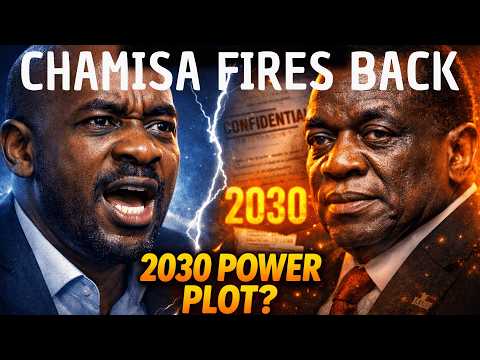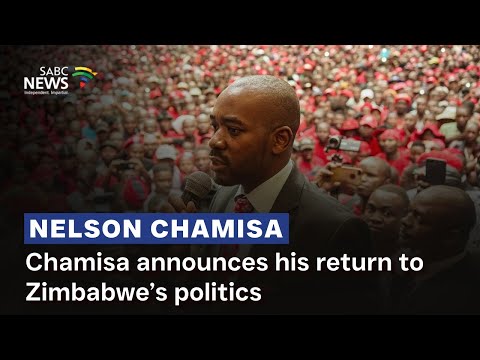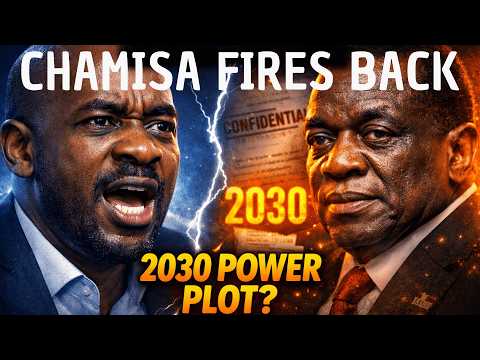
Political tensions in Zimbabwe have reached a boiling point as Nelson Chamisa has publicly fired back against explosive bribe allegations. The confrontation comes as damaging claims of a plot to extend President Emmerson Mnangagwa’s tenure until 2030 continue to shake the nation’s political foundation. These developments, reported by Zimwaves TV, signal a deepening crisis within the country’s power structures that threatens to destabilize the regional political landscape.
The Roots of the Political Discord
The current volatility is rooted in a series of high-stakes accusations that have paralyzed local discourse. At the center of the storm is the alleged "2030 plot," a strategic maneuver reportedly aimed at consolidating power for President Mnangagwa well beyond his current mandate. This narrative has created a climate of suspicion, forcing key opposition figures like Chamisa to defend their integrity against claims of bribery that many observers view as a distraction from the broader constitutional questions currently facing Zimbabwe. The convergence of these two narratives—the alleged term extension and the accusations of corruption—has created a volatile atmosphere in Harare.
Strategic Analysis of the Power Struggle
Analytically, the situation suggests a coordinated attempt to undermine opposition credibility while simultaneously testing the waters for a constitutional amendment. By linking Chamisa to bribe allegations, the narrative aims to erode the public trust he has cultivated. However, the intensity of his rebuttal suggests that the opposition is aware of the tactical nature of these claims. The "2030 plot" represents a significant departure from standard political maneuvering, potentially signaling a move toward centralized control that could have far-reaching implications for the democratic trajectory of Southern Africa, where the stability of Zimbabwe remains a critical barometer for regional health.
Regional Impact and Geopolitical Repercussions
The significance of these events extends far beyond Zimbabwe’s borders. As a key player in the Southern African Development Community (SADC), Zimbabwe’s internal stability is vital for the economic and security integration of the region. The allegations of a 2030 plot, if proven, could lead to increased scrutiny from international bodies and neighboring states concerned about the erosion of term limits. Furthermore, the bribe allegations against Chamisa threaten to polarize the electorate, potentially leading to civil unrest or a further retreat from democratic norms, which would necessitate a difficult diplomatic response from the broader African Union.
Public Reaction and Stakeholder Discourse
Public discourse, as documented by Zimwaves TV, reflects a deeply divided populace. Supporters of the government argue that the focus should remain on national stability, while critics of the Mnangagwa administration view the 2030 plot as a direct challenge to the constitutional order. The reaction to the bribe allegations against Chamisa has been equally polarized, with civil society organizations calling for transparency and independent investigations. The public remains skeptical, caught in a cycle of rhetoric where truth is often obscured by the intensity of the ongoing political warfare between the ruling party and the opposition.
Future Outlook and Anticipated Developments
Looking ahead, the situation remains highly fluid. Observers must watch for any concrete evidence supporting the 2030 plot allegations, as this would likely trigger a constitutional crisis. Additionally, the legal and political ramifications of the bribery claims against Chamisa will play a decisive role in determining the strength of the opposition in the coming months. As the rhetoric intensifies, the primary concern remains whether these conflicts can be resolved through existing legal frameworks or if they will lead to a more prolonged period of instability that could ultimately reshape the political landscape of Zimbabwe for years to come.