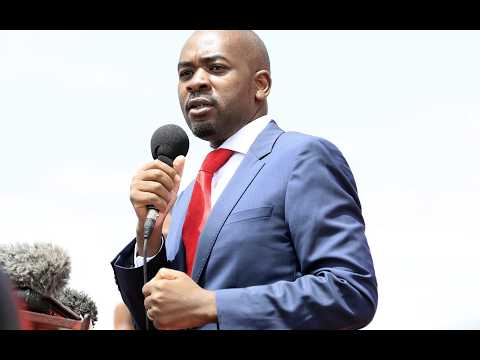
Nelson Chamisa has issued a definitive and alarming statement addressing the deepening constitutional crisis and the surge of violence currently gripping Zimbabwe. The high-stakes address, broadcast via Change Radio Zimbabwe, serves as a direct challenge to the status quo, highlighting a nation at a precarious breaking point. As instability mounts, Chamisa’s intervention underscores the urgent friction between political leadership and the rule of law within the country.
The Roots of the Constitutional Crisis
The current unrest is the culmination of long-standing tensions regarding the interpretation and application of constitutional mandates in Zimbabwe. For years, the political landscape has been defined by a struggle for legitimacy, with the constitutional crisis serving as the primary friction point. The video details how these systemic failures have created a volatile environment where the fundamental rights of citizens are increasingly under threat, leading to the current cycle of violence that Chamisa describes as a direct consequence of institutional decay.
Investigative Analysis of the Political Standoff
Analyzing the rhetoric used by Chamisa, it is clear that the opposition views the current constitutional environment as a manufactured state of emergency designed to suppress democratic expression. The analysis suggests that the violence is not merely incidental but systemic—a tool used to maintain order in a failing constitutional framework. By speaking out, Chamisa is attempting to reframe the national discourse, moving the focus from localized clashes to the broader, existential threat that the violation of constitutional norms poses to the future of the Zimbabwean state.
Impact on Regional Stability
The implications of the Zimbabwean crisis extend far beyond its borders, sending shockwaves through Southern Africa. As the regional hub of political discourse, the stability of Zimbabwe is inextricably linked to the economic and social security of its neighbors. The violence described in the video serves as a cautionary tale for the region, where the erosion of constitutional checks and balances threatens to undermine investor confidence and diplomatic cooperation across the Southern African Development Community (SADC) sphere.
Public and Political Reaction
The response to Chamisa's statement has been intense, reflecting a deeply polarized society. Supporters view the video as a necessary rallying cry against systemic injustice, while detractors remain entrenched in their defense of the current constitutional order. The digital landscape, particularly platforms like Change Radio Zimbabwe, has become a battleground for public opinion, with the video acting as a catalyst for renewed calls for accountability, transparency, and a return to constitutional integrity in the face of escalating state violence.
What to Watch for Next
Moving forward, the primary metric for success will be whether this statement leads to a meaningful dialogue or further polarization. Observers must watch for how the state responds to these specific allegations of constitutional breach and violence. Key indicators include potential changes in policy, the reaction of international observers, and the continued surge of grassroots activity in response to Chamisa’s call to action. The situation in Zimbabwe remains fluid, and this video marks a critical juncture in the ongoing struggle for the nation's democratic future.