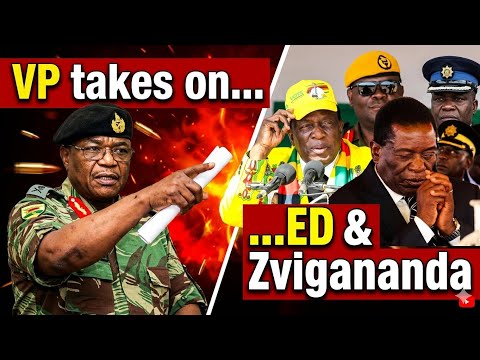
Harare, Zimbabwe – A volcanic power struggle inside Zimbabwe’s ruling ZANU-PF party has burst into the open after a video emerged showing President Emmerson Mnangagwa issuing what analysts call a direct challenge to his deputy, Constantino Chiwenga, and the military establishment that helped put him in power. In the footage, Mnangagwa is heard declaring, ‘I am King’ and describing the construction of a personal political empire – language that has sent shockwaves through a country already reeling from economic collapse and a succession crisis.
The clip, which has gone viral on social media, captures Mnangagwa in what appears to be a private meeting with loyalists. He threatens to ‘crush’ anyone who challenges his authority and boasts that his network of supporters now outweighs the influence of the military. ‘There is no king but me,’ he is heard saying. The remarks are widely seen as a direct jab at Chiwenga, the former army general whose 2017 coup toppled Robert Mugabe and elevated Mnangagwa to the presidency. Since then, the two men have been locked in a quiet but lethal rivalry over control of the party, state resources, and the eventual succession before elections scheduled for 2028.
The Fractured Command
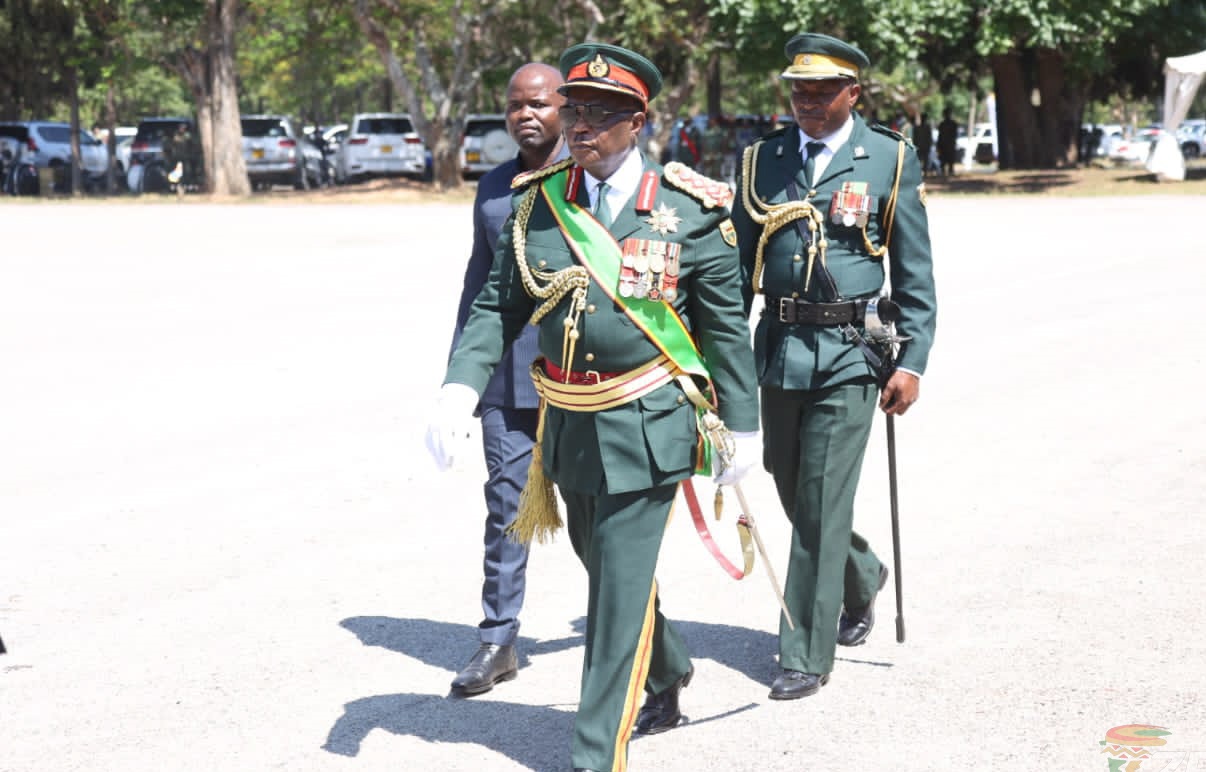
Political analyst Reza Bekoe of the Johannesburg-based Institute for Security Studies said the video confirms what many had suspected: the alliance between Mnangagwa and Chiwenga has shattered. ‘Mnangagwa is effectively telling the military that he no longer needs them, that he has built his own machinery. That is an extraordinary statement from a man who owes his job entirely to the generals,’ Bekoe said. ‘This is the most dangerous moment for Zimbabwe since the coup itself.’
The economic stakes are immense. Zimbabwe is in the grip of a currency crisis, with inflation exceeding 500% and the black market exchange rate spiraling. Foreign investment has dried up, and the country defaulted on its sovereign debt in 2022. Now, the political uncertainty is making matters worse. ‘Investors are terrified,’ said Harare-based economist Tsitsi Mutasa. ‘They see a regime that cannot guarantee its own continuity. That means the Zimbabwe dollar will continue to slide, and ordinary people will suffer even more.’
Regional Ripples
The turmoil in Zimbabwe is being watched closely across Southern Africa. The Southern African Development Community (SADC), which has long avoided direct intervention in Zimbabwe’s internal affairs, now faces the prospect of a violent leadership contest on its doorstep. ‘If this escalates into an open clash between the presidency and the military, it could trigger a refugee crisis and destabilize supply chains in the region,’ warned Dr. Alice Mutsvene, a fellow at the African Centre for Stratetic Studies in Pretoria. Zambia, Botswana, and Mozambique all rely on trade and transport corridors through Zimbabwe. Political paralysis in Harare would hit regional food and fuel prices.
Mnangagwa’s shift in rhetoric also signals a calculated move to sideline the military from political decision-making – a risky gambit given the army’s deep roots in the liberation struggle and its role as the ultimate arbiter of power since independence. ‘He is trying to become a civilian king, but that throne was always guarded by soldiers,’ said Mutsvene. For now, the army has remained publicly silent. But behind the scenes, the generals are watching. ‘They will not allow a president to humiliate them,’ the ZANU-PF insider said. ‘If Mnangagwa goes too far, they will move.’
The video has reignited debate about Zimbabwe’s transition after Mugabe. Many ask whether the country is heading toward another coup or a contested election. Mnangagwa, 80, has not anointed a successor, and speculation swirls that he may try to amend the constitution to extend his term beyond 2028 – a move Chiwenga would likely resist with force. ‘This is not just about personalities; it is about the survival of the ZANU-PF system,’ said Bekoe. ‘The party has always functioned on a rough consensus between civilians and military. That consensus is now broken, and no one knows how to rebuild it.’
As the video continues to circulate, Zimbabweans brace for what comes next. The country has seen this before: a public fistfight at the top, silence from the barracks, and then a sudden shift in government. ‘The difference this time,’ said Mutasa, ‘is that there is no Mugabe to mediate. It’s two warlords with their own guns. And only one can survive.’
Stay informed with the latest developments from Zimbabwe and Southern Africa. Subscribe to our newsletter for in-depth coverage of the region's most critical power shifts.