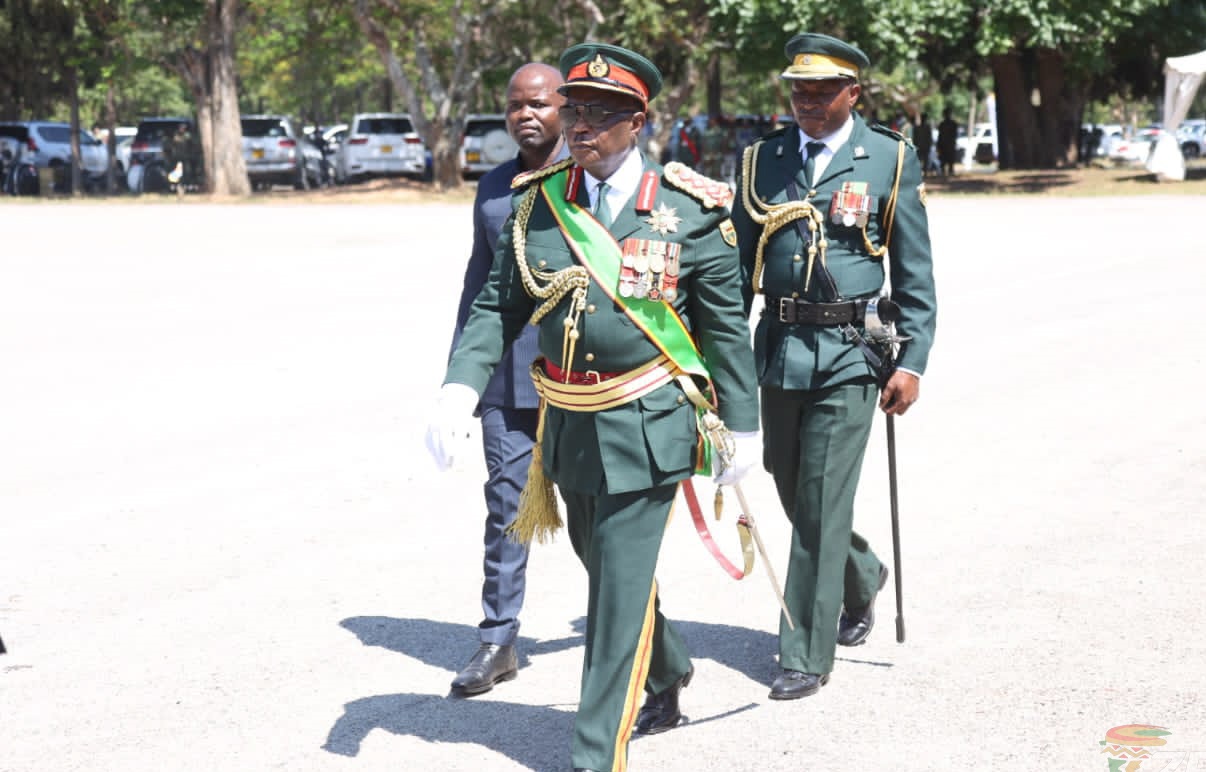
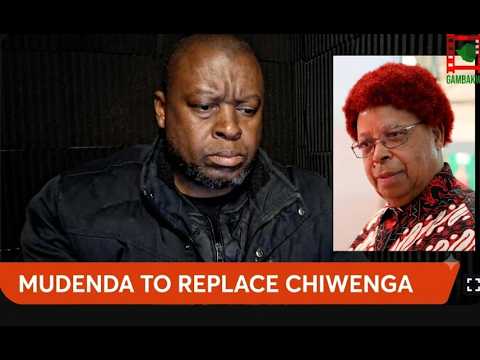
HARARE — A deepening power struggle between President Emmerson Mnangagwa and his deputy, Vice President Constantino Chiwenga, has reached a dangerous flashpoint, with new allegations that the president’s son could soon be stripped of his military career. The brewing confrontation threatens not only the ruling ZANU-PF party but also the fragile stability of southern Africa, as Zimbabwe teeters on the edge of a new political crisis.
The Fractured House of ZANU-PF
ZANU-PF has been riven by factional infighting since the ouster of Robert Mugabe in 2017. Mnangagwa, once seen as an ally of the military, has faced growing pressure from a faction loyal to Chiwenga, a former army general who led the coup that brought Mnangagwa to power. Political analysts warn that the rift is now out in the open, with both leaders maneuvering to control key party structures and state institutions.
'This is not a simple policy disagreement; it is a life-or-death struggle for control of the state,' said Tendai Mbofana, a Harare-based political analyst. 'Chiwenga commands deep loyalty in the military, and Mnangagwa’s camp fears that he may attempt a repeat of 2017 — only this time, it would be against the current president.' The latest allegations focus on the fate of Collins Mnangagwa, the president’s son, who has been touted as a potential successor. Reports suggest that Chiwenga’s faction has been working to end his military career, possibly through administrative actions or allegations of misconduct.
A Son’s Military Career Under Scrutiny
Collins Mnangagwa, a serving officer in the Zimbabwe National Army, has long been seen as a symbol of the president’s attempt to build a dynastic legacy. However, his rapid rise through the ranks has drawn criticism from within the military, where senior commanders view him as a political appointee rather than a soldier earned through combat experience. The video’s claim that his career is 'ending soon' aligns with whispers in Harare that Chiwenga loyalists have prepared a dossier detailing alleged violations of military discipline.
'If Collins is forced out, it would be a massive humiliation for Mnangagwa and a clear signal that Chiwenga holds the upper hand,' said security analyst Wellington Mhundwa. 'It would also fracture the military’s chain of command, creating a parallel loyalty structure that could lead to open confrontation.' The Zimbabwe Defence Forces have not issued any statement on the matter, and attempts to reach the president’s spokesperson were unsuccessful. But the lack of official denial has only fueled speculation that the internal purge is already underway.
Geopolitical Fallout for Southern Africa
Zimbabwe’s instability has ripple effects across the region. As a key member of the Southern African Development Community (SADC), any violent power transition in Harare would threaten trade routes, energy security, and the already fragile economic recovery of neighboring states such as Zambia, South Africa, and Mozambique. South Africa, in particular, has watched the tensions with alarm, given its own reliance on Zimbabwean migrant labor and cross-border trade.
Meanwhile, Zimbabwe’s economy continues to spiral. Inflation has exceeded 500% in the informal market, the currency is in freefall, and basic commodities are scarce. The political infighting has paralyzed decision-making at a time when the country needs urgent reforms to unlock IMF funding. 'The factional war is not just about personalities; it is about who will control the spoils of a collapsing state,' said economist Prosper Chitambara. 'Every day that the Mnangagwa-Chiwenga duel goes on, ordinary Zimbabweans pay the price.'
While the claims in the video remain unverified and come from an opposition-aligned channel known for sensational commentary, the underlying reality is undeniably tense. ZANU-PF’s internal mechanisms for managing succession — historically violent and opaque — offer little hope for a peaceful resolution. If Mnangagwa truly underestimated Chiwenga, the next few months could determine not just the fate of one family’s military career, but the future governance of an entire nation.