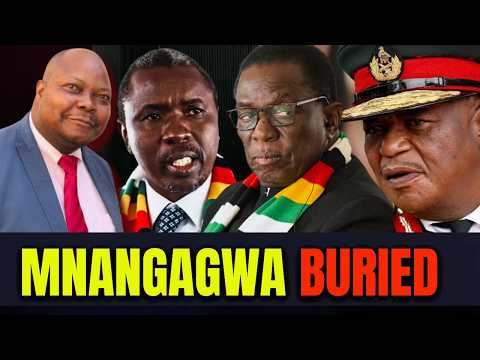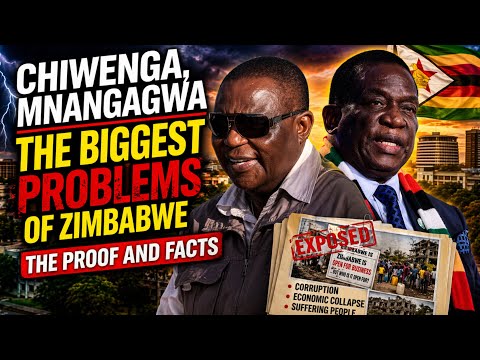
Zimbabwe’s political landscape remains defined by a precarious power struggle between President Emmerson Mnangagwa and Vice President Constantino Chiwenga, a dynamic that continues to destabilize the nation and reverberate across Southern Africa. At the heart of this instability is a history of contested elections, most notably the 2008 polls, which serves as a foundational case for understanding the current governance crisis.
The 2008 elections, a pivotal moment in the nation's history, saw the Movement for Democratic Change (MDC-T) secure 99 seats, while the ZANU-PF party from Tambara held 10 seats. With a total of 109 seats, ZANU-PF, led by Robert Mugabe, claimed 97 seats, resulting in a narrow percentage split that left the opposition with 51.9% of the vote against ZANU-PF's 46.2%. This narrow margin triggered a runoff, a move that critics argue was orchestrated to maintain the status quo. The involvement of key figures, including the then-commander of the Zimbabwe Defence Forces, Constantino Chiwenga, and the then-Minister of State in the President's Office, Didymus Mutasa, remains a point of intense scrutiny.
The Anatomy of Political Control
The consolidation of power within ZANU-PF has been characterized by the strategic placement of loyalists in critical positions. The role of the Central Intelligence Organization (CIO) in this structure cannot be overstated. With operatives embedded throughout the judiciary, police, and various government offices, the CIO has acted as the eyes and ears of the regime, ensuring that intelligence regarding potential threats—or internal dissent—is relayed directly to the top. The 2008 electoral outcome was not merely a matter of votes; it was a reflection of a deeply entrenched system where the military and security apparatus were leveraged to secure political dominance.
This reliance on security forces has left a lasting impact on Zimbabwe's democratic institutions. The subsequent 2017 events, often described as a coup, further solidified the military's influence in civilian governance. As the nation grapples with economic collapse and corruption, the legacy of these events continues to dictate the political climate. For Southern Africa, the instability in Zimbabwe is not an isolated incident; it threatens regional trade, migration, and the overall stability of the SADC bloc. The failure to address these structural issues has left a vacuum that is increasingly filled by political maneuvering rather than democratic accountability.
The path forward remains uncertain as citizens demand transparency and a departure from the patronage-driven policies of the past. Without a significant shift in governance, the cycle of political crisis is likely to persist, undermining the potential for growth and stability in the region.