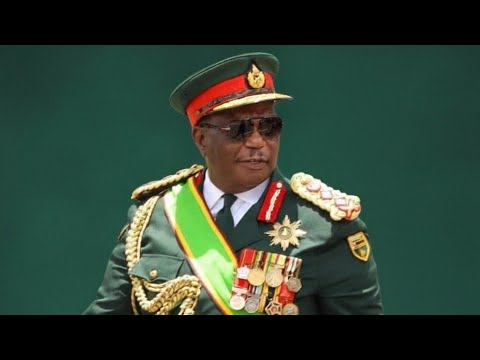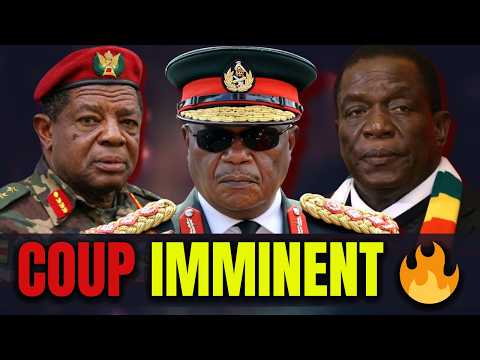
The political landscape in Zimbabwe is witnessing a significant shift as high-ranking retired military officials publicly distance themselves from the current administration. This development, which has sent shockwaves through the nation, centers on allegations of systemic corruption and the erosion of constitutional norms, raising urgent questions about the future of governance in Southern Africa.
The dissent is not merely symbolic; it represents a critical fracture within the security establishment that has historically underpinned the ruling ZANU-PF party. Experts argue that this public airing of grievances by former military leaders indicates a deepening crisis of legitimacy. 'The involvement of retired generals in criticizing the current state of affairs is a clear signal that the internal consensus within the ruling elite is crumbling,' says Dr. Tendai Mbanje, a regional security analyst. 'This is not just about policy disagreements; it is about the survival of the state’s institutions in the face of widespread economic mismanagement.'
The economic fallout from this political instability is immediate and profound. With inflation rates fluctuating and foreign investment stalling, the average Zimbabwean citizen is bearing the brunt of the crisis. The situation is further complicated by the country's ongoing struggle to maintain democratic integrity, a challenge that reverberates across the Southern African Development Community (SADC). As neighbouring nations watch closely, the potential for spillover effects—including migration surges and regional trade disruptions—remains a significant concern.
The Erosion of Democratic Institutions
The core of the criticism leveled by these former military figures involves the alleged manipulation of state resources for personal gain. Data from local monitoring groups suggests that the lack of transparency in public procurement processes has led to the loss of millions of dollars in potential development funds. This climate of impunity has fueled public frustration, leading to calls for a more accountable leadership. The failure to address these systemic issues has created an environment where the rule of law is increasingly viewed as a luxury rather than a standard.
For Zimbabwe, the path forward requires a fundamental commitment to institutional reform and the restoration of public trust. Without a concerted effort to dismantle the structures of corruption, the country risks further isolation on the international stage, which will only exacerbate the hardships faced by its citizens. As Southern Africa grapples with this uncertainty, the international community remains focused on the potential for a peaceful transition and the preservation of democratic principles in a region that can ill afford further instability.