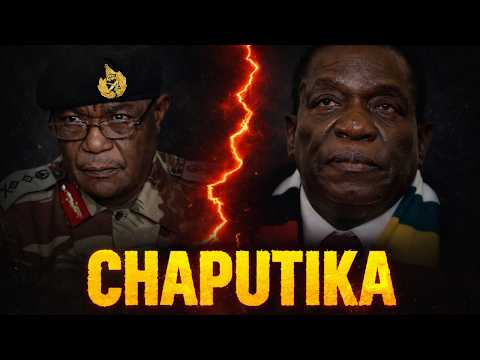
In a dramatic escalation of internal political friction, President Emmerson Mnangagwa has reportedly moved to dismantle the military influence wielded by Vice President Constantino Chiwenga. The report, broadcast by ZIM Stream Tv, indicates that the President has taken decisive action to scrap the military power base associated with his deputy. This sudden power shift signals an intensifying factional crisis that threatens the established hierarchy within the nation's leadership structure.
The Roots of the Factional Divide
The current political volatility is rooted in a long-standing power struggle between the President and the Vice President. Historically, these two figures have navigated a delicate balance of authority, but the latest developments suggest that the equilibrium has been shattered. According to the reporting from ZIM Stream Tv, this is not merely a bureaucratic reshuffle but a targeted effort to consolidate executive control by neutralizing the influence Chiwenga previously held over the military apparatus. This move follows a period of mounting speculation regarding the stability of the relationship between the two most powerful men in the country.
Analyzing the Shift in Military Control
From an analytical perspective, the act of stripping a Vice President of military influence is a high-stakes maneuver that carries significant geopolitical weight. The military has historically served as a cornerstone of political stability in Zimbabwe, and any attempt to reorganize its command structure or loyalty channels is fraught with risk. By curbing Chiwenga’s power, Mnangagwa is effectively attempting to insulate the executive branch from potential internal challenges. This analysis suggests a strategic pivot designed to ensure that the President remains the sole authority, effectively sidelining the military-backed faction that has defined the political landscape for years.
The Real-World Impact of Internal Instability
The implications of this power struggle extend far beyond the immediate executive offices. In Southern Africa, domestic political stability is inextricably linked to regional security. If the internal factionalism persists or intensifies, it risks paralyzing government functions and eroding public confidence. The decision to scrap military power bases suggests that the government is prioritizing internal security over broader institutional cohesion. Such movements often lead to a ripple effect, impacting the efficiency of state institutions and the predictability of the national political climate, which is vital for any state operating within the SADC framework.
Public and Political Reactions
The reaction to this development has been one of intense scrutiny and speculation. Observers and stakeholders are closely monitoring how supporters of the Vice President will respond to such a blatant reduction in his institutional reach. The narrative presented by ZIM Stream Tv highlights that the situation is being viewed as a defining moment in the current administration’s timeline. Social and political circles are currently debating the legitimacy and the long-term viability of this move, as it effectively forces political actors to pick sides in a deepening rift that threatens to alienate significant segments of the ruling hierarchy.
What to Watch for in the Coming Weeks
Looking ahead, the primary focus for analysts will be the reaction of the military command structure itself. If President Mnangagwa succeeds in stripping Chiwenga of his power, the next phase will involve the total reassignment of key military personnel loyal to the Vice President. Conversely, any resistance from within the ranks will indicate that the President’s move may have backfired, potentially leading to a more volatile confrontation. We must watch for any official statements from the President’s office or the military high command, as these will provide the clearest signals regarding whether the transition of power is complete or if the factionalism is merely entering a more dangerous, subterranean phase.