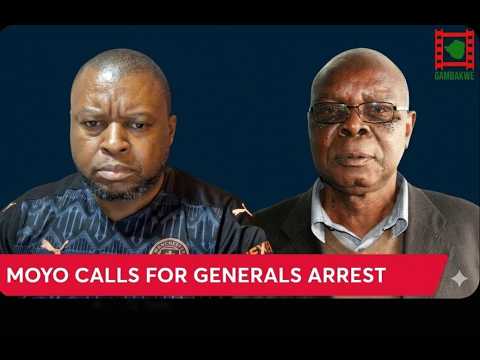
In a explosive development that has sent shockwaves through the political establishment, Professor Jonathan Moyo has publicly called for the immediate arrest of Zimbabwe's top military generals. This demand, broadcast live via the Gambakwe Media platform, represents a radical escalation in the rhetoric surrounding the nation's security apparatus and its role in the country's governance. The call for accountability at the highest levels of the military suggests a deep-seated fracture within the power structures that have long governed Zimbabwe, signaling a potential turning point in the nation's volatile political climate.
The Context of Military Influence
The demand for the arrest of Zimbabwe’s military generals does not exist in a vacuum; it is the culmination of years of scrutiny regarding the military's involvement in national affairs. Gambakwe Media has consistently provided a platform for such high-stakes discourse, highlighting the persistent tension between civilian political figures and the security sector. Historically, the military in Zimbabwe has been viewed as the ultimate arbiter of power, making Prof. Moyo’s public call for their prosecution a rare and bold challenge to an institution that has traditionally operated with a high degree of impunity. This background of entrenched military influence provides the necessary context for understanding why such a call is considered unprecedented by many observers.
Deep Analysis of the Call to Action
Analyzing Prof. Moyo's recent statement requires a careful look at the shifting alliances within the Zimbabwean political landscape. By targeting the generals directly, Moyo is essentially attempting to dismantle the core protection mechanism of the current administration. This move serves as a strategic challenge, forcing both the public and the security establishment to confront the legality of military operations in domestic politics. The analysis suggests that this is not merely a request for legal action, but a deliberate attempt to shift the balance of power, challenging the military’s perceived immunity and testing the limits of constitutional authority in a nation where the lines between governance and security forces have often been blurred.
Regional Impact and Consequences
The implications of this call extend far beyond Zimbabwe’s borders, potentially unsettling the broader Southern African region. Given Zimbabwe’s pivotal role in regional stability and economic trade, any internal instability caused by a confrontation between political actors and military leadership is monitored closely by neighboring states. The potential for the arrest of high-ranking generals would fundamentally alter the security architecture of Southern Africa, as the military’s influence is a constant variable in regional geopolitical calculations. If such a move were to gain traction, it would force regional bodies to reassess their diplomatic engagement strategies with Harare, fearing a ripple effect that could destabilize the Southern African Development Community (SADC) corridor.
Public and Stakeholder Reaction
The reaction to Prof. Moyo's broadcast on Gambakwe Media has been intense, reflecting a polarized public sentiment. Supporters of this move view it as a necessary step toward transparency and the restoration of civilian oversight, while skeptics warn of the potential for chaos should the military choose to resist such legal challenges. Stakeholders, including civil society organizations and international observers, are currently weighing the gravity of these statements. The conversation on social media and across independent news platforms highlights a growing appetite for accountability, even as it underscores the significant risks associated with challenging a military that has historically been the final word in Zimbabwean political transitions.
What to Watch For Next
Moving forward, the primary focus remains on whether this rhetoric will translate into any tangible legal action or if it will be dismissed as purely political posturing. Observers should watch for any official response from the military or the government, as an outright denial or a counter-move against Prof. Moyo could escalate tensions significantly. Furthermore, the continued coverage by Gambakwe Media will be critical in tracking whether this narrative gains momentum or dissipates. The key metric for the coming weeks will be to see if other political figures align with Moyo’s position, which would indicate a broader movement, or if he remains isolated in this high-stakes confrontation with the generals.