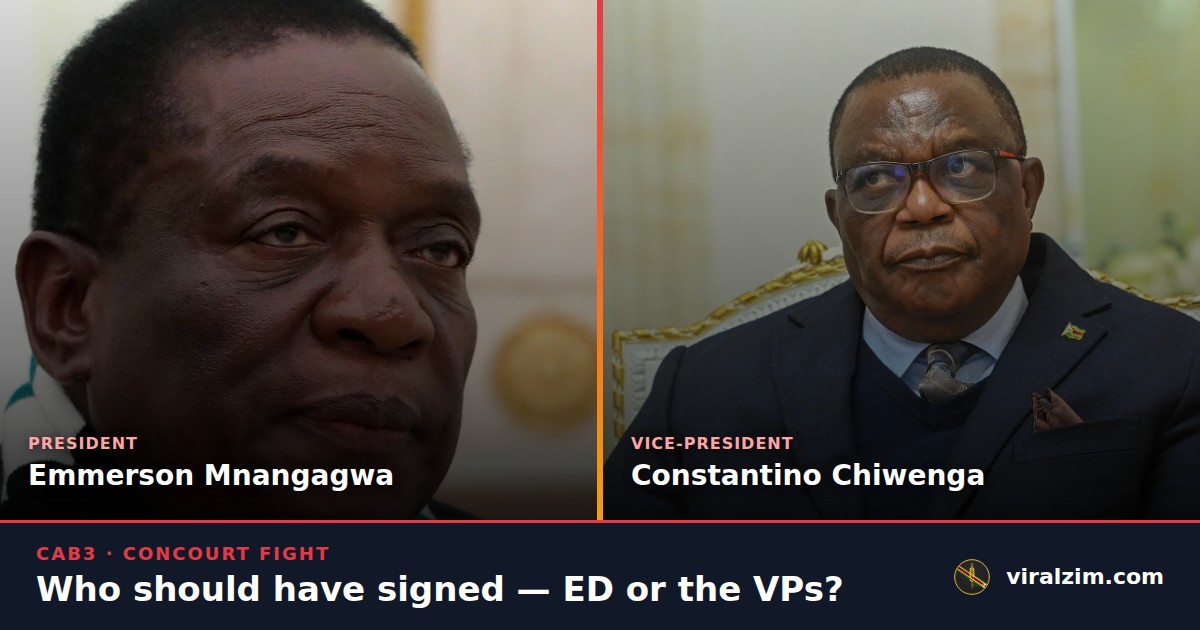
In a high-stakes development that has sent shockwaves through the political landscape, military generals are now publicly demanding greater access to Chiwenga. The live broadcast, hosted by Gambakwe Media, highlights a critical friction point between the nation's security apparatus and the current leadership structure. This unprecedented move by the military brass signals a potential shift in the balance of power, raising urgent questions about the stability of the government and the influence of the armed forces in national affairs.
The Escalating Military-Political Tension
The situation stems from long-standing reports of restricted communication channels surrounding Chiwenga. Gambakwe Media has been tracking the gradual isolation of key figures, and this latest demand by the generals suggests that the military's patience regarding their perceived exclusion from the inner circle has reached a breaking point. Historically, the military has played a decisive role in the nation's political trajectory, and their insistence on direct access is being viewed by analysts as a strategic maneuver to reassert their relevance and oversight in the face of shifting political winds.
Analyzing the Power Struggle
This development signifies a profound rift within the existing power structure. By demanding more access to Chiwenga, the generals are effectively challenging the gatekeepers who have controlled the flow of information and influence. The Gambakwe Media report underscores a critical reality: the military is no longer content to operate on the periphery of decision-making. This is not merely a bureaucratic dispute; it is a fundamental challenge to the current administrative hierarchy, suggesting that the generals are positioning themselves to dictate the terms of engagement moving forward.
Geopolitical and Regional Implications
The implications of this standoff extend far beyond the borders of the country, casting a long shadow over the stability of Southern Africa. As a key player in the regional security architecture, any internal instability or military-led power play here inevitably ripples outward, affecting diplomatic relations and economic confidence. The demand for access to Chiwenga serves as a litmus test for the strength of democratic institutions versus military influence, a dynamic that remains a primary concern for international observers and regional neighbors who rely on a predictable, stable, and transparent government.
Public and Stakeholder Response
The Gambakwe Media broadcast has ignited a firestorm of speculation and concern among the public and political stakeholders alike. While official channels remain largely silent, the intensity of the generals' demands has prompted intense debate regarding the future of the administration. Observers note that the military's bold stance has emboldened critics of the current regime, who see in this demand a sign of deep-seated fractures. The public is watching closely, recognizing that when the military makes such explicit demands, the status quo is rarely preserved for long.
The Path Forward: What to Watch
As this situation unfolds, the immediate focus must remain on whether the generals' demands for access to Chiwenga are met or rebuffed. A concession could signal a weakening of the current executive, while a refusal could lead to an escalation in tensions that the nation can ill afford. We are tracking the movements of the security sector closely, looking for signs of further mobilization or shifts in command loyalty. The coming days will be decisive in determining whether this is a temporary dispute or the beginning of a significant realignment in the nation's power structure.