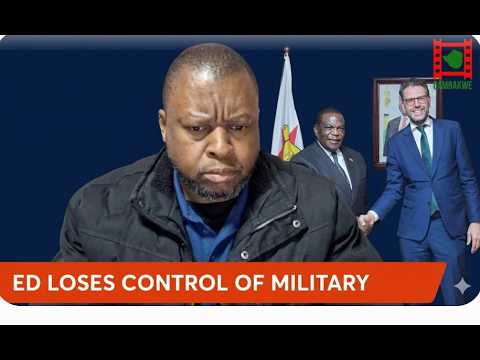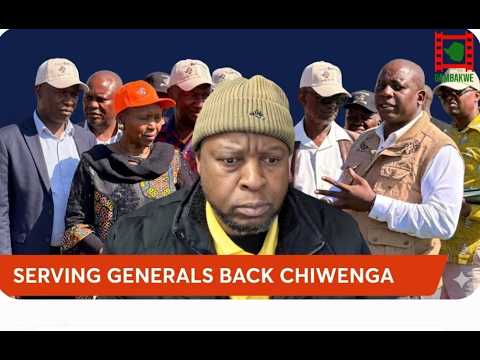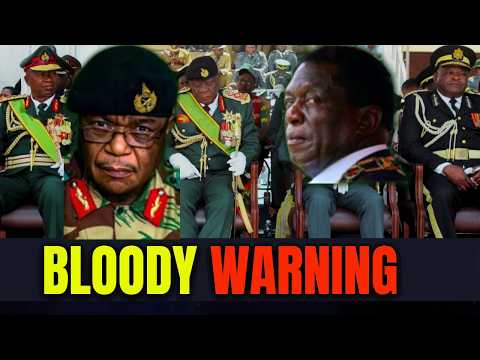
In a stunning series of allegations surfacing on the Gambakwe Media platform, President Mnangagwa is being accused of orchestrating a plot to hire professional hitmen to eliminate high-ranking military generals. The live broadcast details a deepening rift within the nation's security apparatus, suggesting that the executive branch may be turning its sights on the very military leaders who maintain the country's stability. These claims, if substantiated, represent a seismic shift in the power dynamics of the state, signaling a potential collapse of the traditional alliance between the presidency and the armed forces.
The Context of Internal Security Tensions
The allegations broadcast by Gambakwe Media emerge from a backdrop of intensifying scrutiny over the relationship between the Zimbabwean presidency and the military establishment. Historically, the military has acted as a kingmaker in the nation's political landscape, providing the necessary support for executive governance. The current accusations suggest that this foundational pillar is under extreme duress. By allegedly seeking to employ outside operatives to neutralize internal military threats, the administration is reportedly attempting to bypass traditional command structures, a move that experts suggest could lead to unprecedented institutional instability and internal fragmentation within the state security sector.
Analysis of the Alleged Power Struggle
From an investigative standpoint, the Gambakwe Media report highlights a desperate attempt to consolidate power in an environment of perceived betrayal. The use of 'hitmen'—rather than utilizing internal disciplinary or legal frameworks—implies a lack of trust in the state’s own intelligence and security services. This analysis points to a paranoid leadership style that views the military not as a partner, but as a potential existential threat. The strategic implications are severe: if the executive branch is actively targeting its own generals, it effectively signals the end of the status quo and suggests that the administration has entered a survivalist phase where traditional governance has been replaced by clandestine maneuvers.
Impact on Regional Stability
The implications of these allegations extend far beyond the borders of Zimbabwe, casting a long shadow over the Southern African region. As a key player in the Southern African Development Community (SADC), any internal volatility within the Zimbabwean military apparatus directly threatens regional security. If the leadership is indeed purging its own generals, the resulting power vacuum could trigger a broader crisis, affecting regional trade, migration, and political cohesion. The international community is now forced to grapple with the reality that the primary security guarantor in the region may be descending into internal conflict, necessitating a re-evaluation of diplomatic engagement with the current administration.
Reaction from Stakeholders and Observers
The response to the Gambakwe Media report has been one of shock and heightened alert among political analysts and observers of the Zimbabwean state. While the administration has yet to issue a formal denial, the gravity of the accusations has prompted intense speculation regarding the loyalty of the rank-and-file soldiers. Stakeholders are questioning whether the military will remain passive in the face of alleged threats against its leadership. The prevailing sentiment is that the trust between the presidency and the military has been shattered, creating a volatile environment where any further escalation could lead to a direct confrontation between the executive and the security forces.
What to Watch for Next
Moving forward, the primary metric for tracking this crisis will be the visibility and activity of the targeted military generals. Any sudden disappearances, unexplained reassignments, or unusual military deployments will serve as critical indicators of whether these allegations are manifesting into reality. Observers should also monitor for any official rebuttals or, conversely, signs of a crackdown on those reporting these developments. The situation remains fluid, and the potential for a rapid deterioration of the internal political climate is high. The coming weeks will determine if this is merely a period of intense internal friction or the beginning of a fundamental restructuring of the nation's power hierarchy.