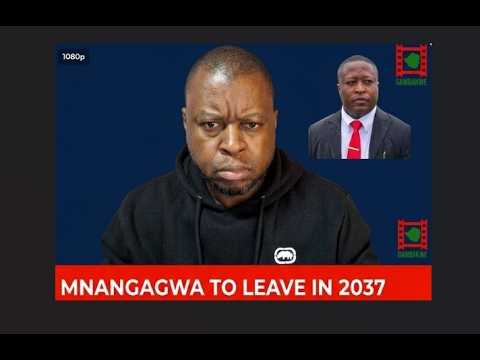
In a development that has sent shockwaves through the political landscape, a live broadcast from Gambakwe Media has brought to light claims that Mnangagwa is positioned to remain in office until 2037. This revelation, centered on the extension of leadership tenure, challenges existing expectations regarding the nation's political trajectory. The report, disseminated via the Gambakwe Media channel, serves as a focal point for those monitoring the stability and governance of the region.
The Context of Tenure Extension
The assertion that Mnangagwa will maintain his position until 2037 follows a period of intense scrutiny regarding electoral cycles and constitutional term limits. Gambakwe Media has positioned this narrative as a central theme in their ongoing coverage, suggesting that the mechanisms of power are being recalibrated to ensure a long-term stay in office. This background is essential for understanding the current political climate, as it frames the debate around the longevity of the current administration and the potential for a significant shift in the country's governance structure.
Analyzing the Political Implications
Analyzing the claims presented by Gambakwe Media requires a deep dive into the implications of a leadership tenure extending to 2037. Such a timeline suggests a fundamental restructuring of political expectations, potentially impacting the legislative and executive branches. If these claims hold weight, they indicate a move toward institutionalizing the current administration's influence for over a decade. The analysis of this video suggests that the political machinery is being prepared for a prolonged duration, which carries significant weight for the regional balance of power and local governance.
Regional Impact and Stability
The potential for Mnangagwa to remain in office until 2037 has profound consequences for Southern Africa. As a key player in the region, the political direction of this nation inevitably influences its neighbors and the broader geopolitical environment. The stability of the country, and by extension the region, is often tied to the predictability of its leadership transitions. By projecting a stay until 2037, the narrative shifts from a focus on democratic turnover to one of long-term continuity, which will likely force regional stakeholders to re-evaluate their diplomatic and economic strategies.
Public and Stakeholder Reaction
The reaction to the Gambakwe Media report has been immediate, as audiences grapple with the implications of a 2037 end date. Stakeholders and observers are currently dissecting the claims, with many questioning the legal and social framework that would support such an extended tenure. The digital discourse surrounding the video reflects a polarized environment where the prospect of long-term leadership is met with both intense scrutiny and debate. As the message spreads, the focus remains on how these claims will be addressed by official channels and the public at large.
Future Developments to Monitor
Looking ahead, the primary focus will be on whether the claims of a 2037 tenure are substantiated by further policy shifts or official announcements. Observers should monitor for any legislative changes or constitutional amendments that might align with the timeline presented in the video. The role of media outlets like Gambakwe Media will be critical in tracking these developments as they unfold. The coming months will be decisive in determining whether this projection becomes the defining feature of the current administration's long-term strategy.