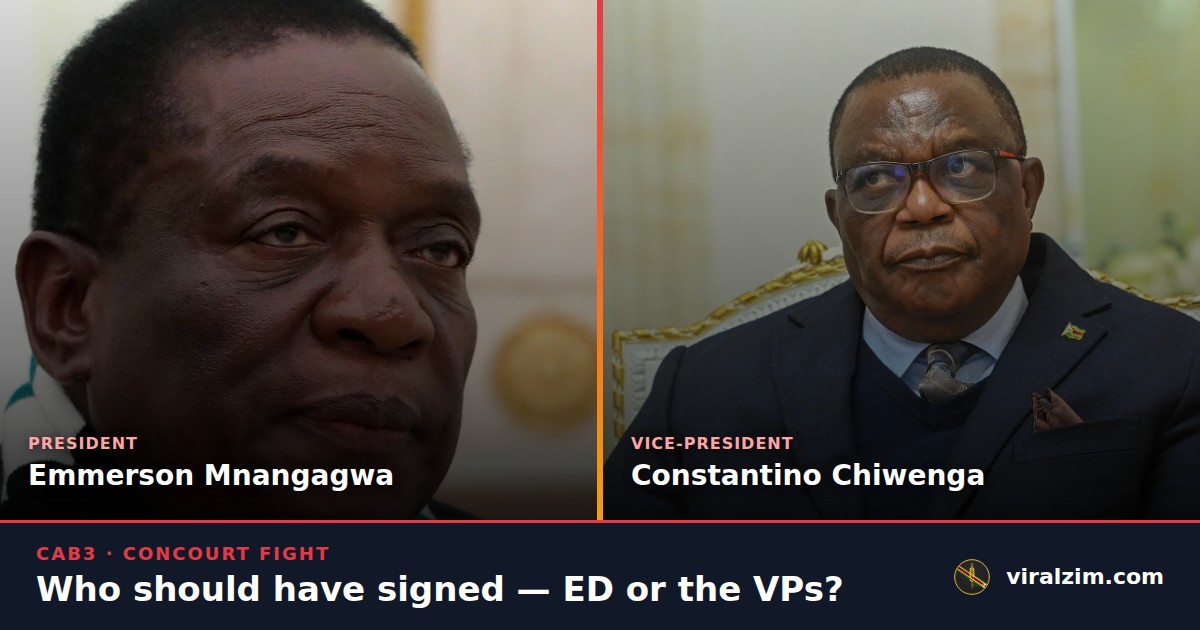
In a move that has sent shockwaves through the political establishment, reports have surfaced via Gambakwe Media indicating that President Mnangagwa is poised to deploy Chiwenga to either China or Russia. This potential reassignment represents a significant pivot in high-level state operations, signaling a major shift in the administration's strategic alignment. As the situation develops, observers are closely watching how this international deployment will reshape the internal power dynamics within the government.
The Context of Diplomatic Reassignment
The potential movement of such a high-ranking official to international posts in China or Russia follows a period of intense speculation regarding the administration's foreign policy priorities. By looking at the trajectory of current diplomatic relations, it becomes clear that these specific nations hold a strategic importance that goes beyond standard bilateral ties. This development is not merely a personnel change; it is a calculated effort to leverage existing relationships with global powers to address pressing national objectives, reflecting the complex interplay between internal governance and international partnerships.
Strategic Analysis of the Deployment
Analyzing this potential deployment requires an understanding of the geopolitical weight carried by China and Russia. If Chiwenga is indeed dispatched to either of these capitals, it suggests that the administration is seeking to consolidate influence or secure critical support in sectors that are vital to long-term stability. The choice of these specific countries is telling, as they represent key pillars in the current international landscape. This move could be interpreted as an attempt to fortify external alliances, ensuring that the administration remains well-positioned on the global stage while navigating the complexities of modern diplomacy.
Impact on Regional Stability
The implications of this deployment extend far beyond the immediate political circles, potentially affecting the broader stability of Southern Africa. As a key player in the region, any shift in the leadership structure or diplomatic focus of the administration has a ripple effect on neighboring states. The decision to send a high-level official to a major global power like China or Russia suggests a recalibration of regional influence, forcing other stakeholders to re-evaluate their own positions. This move underscores the interconnected nature of regional politics and the necessity of maintaining a delicate balance of power in an increasingly volatile global environment.
Public and Stakeholder Reaction
The announcement has sparked a flurry of discourse among analysts and the public, with many questioning the timing and the ultimate intent behind such a high-stakes move. Stakeholders are currently weighing the potential benefits of enhanced cooperation with China or Russia against the risks of isolation from other international partners. The discourse is characterized by intense speculation, as the public seeks clarity on what this means for the future of the administration and the nation at large. The varying perspectives highlight the sensitivity of this issue and the high level of public interest in the maneuvers of top government officials.
What to Watch For Next
Moving forward, the primary focus will be on official confirmation of the deployment and the specific mandate assigned to the official in question. Observers should monitor any subsequent diplomatic visits or policy shifts that coincide with this transition. Additionally, the reaction from other international bodies will be a critical indicator of how this move is perceived on the global stage. As the situation evolves, the focus remains on whether this deployment will achieve the intended strategic goals or if it will trigger further complications in the already complex landscape of international relations.