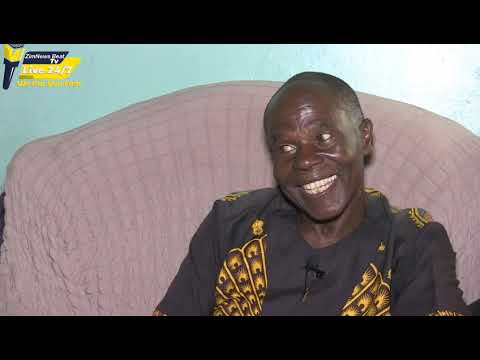
On August 9, 1976, the Nyadzonya refugee camp in Mozambique became the site of one of the most brutal chapters in the history of Zimbabwe’s liberation struggle. Cde Paul Mapondera, a survivor of the Rhodesian forces' raid, recalls the sheer scale of the carnage, describing a systematic slaughter that left hundreds dead. The attack, executed by the Rhodesian Security Forces, targeted a camp housing thousands of civilians and freedom fighters, marking a defining moment of terror in the conflict.
‘We were not prepared for the speed and the ferocity of the attack,’ Mapondera recounts. The operation, which utilized military vehicles disguised as FRELIMO transport, allowed the Rhodesian forces to penetrate the camp’s defenses before opening fire on the unsuspecting population. The massacre remains a stark reminder of the extreme violence that characterized the Rhodesian Bush War, a conflict that ultimately claimed over 20,000 lives.
The geopolitical implications of the Nyadzonya raid reverberated across Southern Africa, escalating tensions between the white-minority regime in Rhodesia and the frontline states supporting the liberation movements. For Zimbabweans, the legacy of Nyadzonya is not merely historical; it is a visceral part of the national consciousness, shaping the political landscape and the collective memory of the struggle for independence. Today, the survivors and the families of the fallen continue to grapple with the trauma of that day, as the nation reflects on the heavy price paid for its sovereignty.