
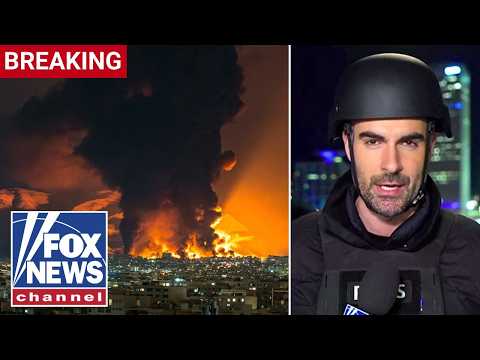
Tel Aviv was jolted by the sound of sirens and the launch of interceptor missiles, marking a tense moment in the region's volatile security situation. On Tuesday, October 29th, residents reported hearing loud explosions as Israel's defense systems engaged incoming threats, triggering widespread concern about a potential escalation. The exact nature of the threat remains unconfirmed, but the activation of missile defense protocols underscores the severity of the perceived danger, raising questions about the broader geopolitical ramifications.
The activation of air defense systems in Tel Aviv follows a period of heightened tensions in the region. Decades of conflict and unresolved territorial disputes have created a powder keg, with frequent flare-ups between Israel and various militant groups. The ongoing Israeli-Palestinian conflict, coupled with regional power struggles involving Iran and its proxies, contributes to a climate of constant instability. The history of rocket attacks targeting Israeli cities has led to the development and deployment of sophisticated defense systems like the Iron Dome, designed to intercept incoming projectiles and protect civilian populations.
The immediate implications of this incident extend beyond the immediate threat to Tel Aviv. This event underscores the ever-present vulnerability of Israeli cities to attack and highlights the potential for rapid escalation in the region. For Zimbabwe and other African nations, the situation serves as a stark reminder of the importance of conflict resolution and the potential consequences of regional instability. Dr. Aisha Ndiaye, a political analyst specializing in Middle Eastern affairs, notes that "these events have a ripple effect, influencing global perceptions of security and potentially impacting diplomatic relations and economic partnerships worldwide." The economic implications for Zimbabwe could include fluctuations in commodity prices and disruptions to international trade routes.
The immediate reaction to the sirens and missile launches has been swift, with reports indicating heightened security measures across Israel. The Israeli government has issued statements calling for calm while simultaneously vowing to defend its citizens. International organizations, including the United Nations, have urged restraint and called for de-escalation. Financial markets are also reacting, with oil prices experiencing a slight uptick due to concerns about potential disruptions to supply lines. The United States has reiterated its unwavering support for Israel's right to defend itself, further solidifying its commitment to the region's security architecture.
The coming days will be critical in determining whether this incident will lead to a wider conflict or if diplomatic efforts can successfully de-escalate the situation. Monitoring the response from various actors, including Hamas, Hezbollah, and Iran, will provide crucial insights into the potential trajectory of events. A sustained period of calm and diplomatic engagement is essential to prevent further violence and promote long-term stability in the region. Failure to do so could have far-reaching consequences, not only for the Middle East but also for the global geopolitical landscape.
