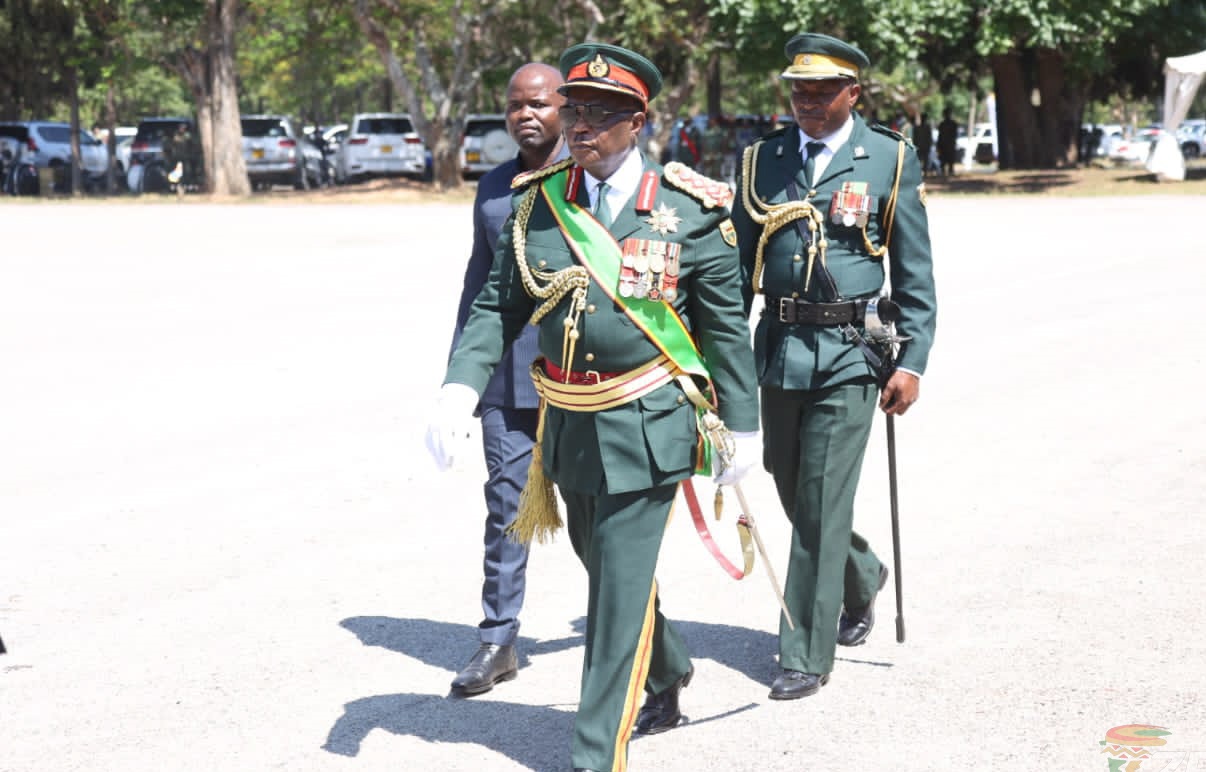
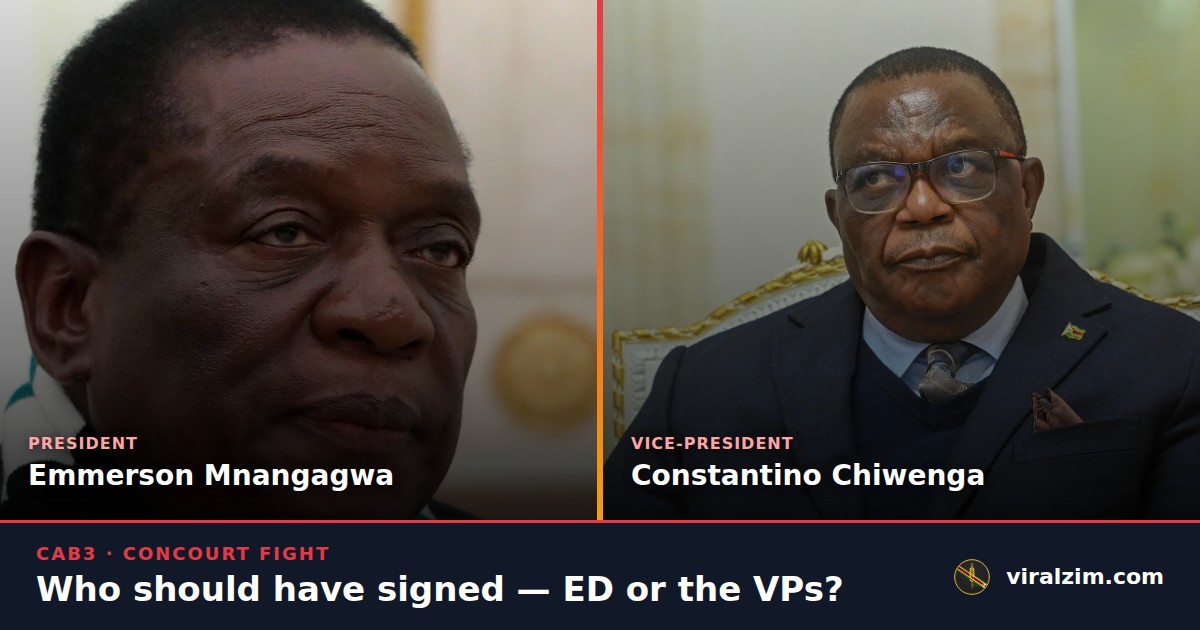
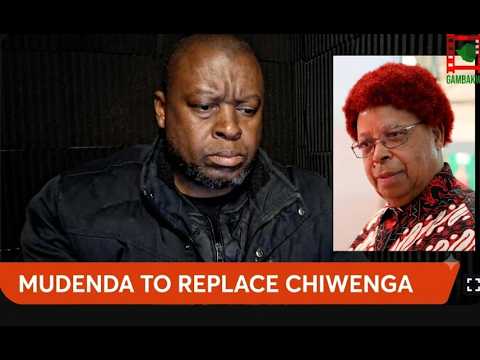
Zimbabwe’s ruling ZANU-PF party is teetering on the edge of a public rupture after Vice President Constantino Chiwenga allegedly issued a stark, direct warning to President Emmerson Mnangagwa: step back from confrontation or face a conflict that would ‘end badly’ for both men. The explosive remark, captured in a video circulated widely on social media, has sent shockwaves through Harare’s political elite and drawn attention to a succession struggle that could destabilise one of Southern Africa’s most fragile states.
The Alleged Warning and the Succession Crisis
The backdrop to the confrontation is Zimbabwe’s unresolved succession question. Mnangagwa, 82, has faced mounting pressure from a faction that wants him to step down after his second term ends in 2028, while a rival camp—reportedly backed by Chiwenga—is pushing for the president to serve a third term under a constitutional challenge known locally as ‘ED2030’. The alleged warning suggests Chiwenga believes Mnangagwa’s camp is actively provoking a showdown, possibly by using state security organs to intimidate opposition figures and potential successors.
‘This is not a disagreement over policy; it is a bare-knuckle power struggle within the party that fought Robert Mugabe,’ said Harare-based political analyst Dr. Temba Moyo, speaking on condition of anonymity due to the sensitivity of the subject. ‘If Chiwenga has indeed given such a warning, it means the military’s loyalty is no longer assured. In Zimbabwe, that is the nuclear option.’
Chiwenga, 68, retains deep ties to the Zimbabwe Defence Forces, where he served as commander before entering politics. His role in the 2017 military intervention that ousted Mugabe gave him a reputation as the enforcer of the security establishment’s will. Political observers note that his warning should not be dismissed as posturing; in 2017, similar private disagreements preceded open action.
Zimbabwe’s economy, already reeling from hyperinflation and a collapsing currency, could not withstand a prolonged leadership crisis. The World Bank estimates that the country’s GDP contracted by 6.5% in 2023, and the International Monetary Fund has repeatedly warned that political instability is worsening investor flight. A public break between the president and vice president would likely accelerate capital outflows and deepen the humanitarian crisis, with an estimated 60% of the population now food insecure.
Geopolitical Fallout for Southern Africa
The implications extend far beyond Zimbabwe’s borders. The Southern African Development Community (SADC), which has historically shied away from intervening in the internal affairs of member states, faces a delicate dilemma. A violent succession struggle in Zimbabwe could create a power vacuum that invites external meddling, including from actors such as Russia and China, which both maintain strategic partnerships with Harare. Russia, in particular, has been deepening military ties with several SADC nations, and a disorderly transition could offer Moscow a foothold in the region.
‘SADC has enough on its plate with the insurgency in Mozambique’s Cabo Delgado and the ongoing instability in the Democratic Republic of Congo,’ said Dr. Naledi Mokoena, a Johannesburg-based analyst specialising in Southern African security. ‘A Zimbabwean crisis would force the bloc to divert resources and diplomatic capital it can ill afford to spare.’
Regional neighbours such as South Africa, Botswana, and Zambia have already tightened border controls and are bracing for a potential surge in refugees if violence erupts. South Africa’s Department of International Relations and Cooperation declined to comment on the Chiwenga warning, but a senior official told reporters on background that Pretoria is ‘monitoring the situation closely.’
The video’s emergence has also reignited debate over the role of social media in African political crises. The Zimbabwean government has not officially responded to the Chiwenga warning, but state-controlled media outlets have begun a coordinated campaign to discredit the video as ‘deepfake propaganda’ by exiled dissidents. Independent fact-checkers have not confirmed any technical manipulation, though the original source—a channel with a small following—has not been independently verified by major news organisations.
What remains clear is that the alliance that ousted Mugabe seven years ago is fracturing in plain sight. Whether the warning is a genuine threat or a negotiating tactic, it has already achieved one thing: it has forced the issue of succession into the open, where it can no longer be ignored. For investors, diplomats, and ordinary Zimbabweans, the question is no longer if the political fault lines will crack, but when—and how badly.