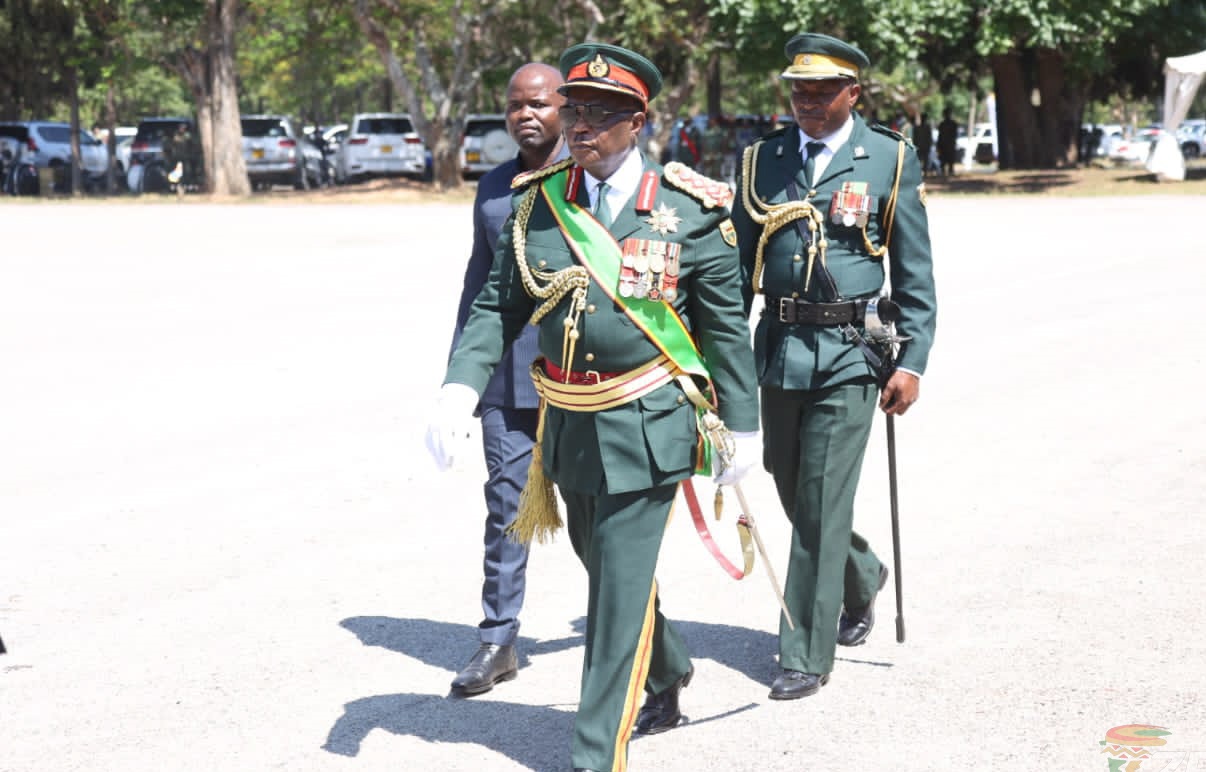
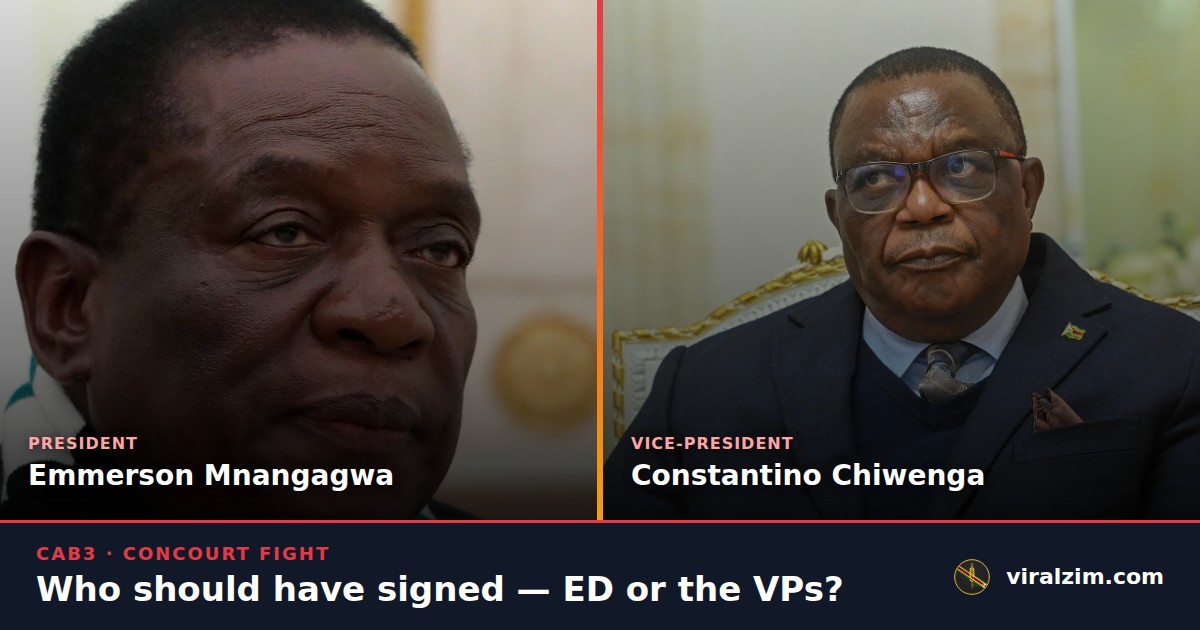
At the heart of the standoff is Chiwenga, the former army general who orchestrated the 2017 coup that ousted Robert Mugabe and installed Mnangagwa. Now, with the economy in freefall and Mnangagwa’s health reportedly declining, Chiwenga is believed to be positioning himself for a return to the presidency—either at the next ZANU-PF elective congress or before it.
The Mnangagwa–Chiwenga Rivalry Deepens
“What we are witnessing is a slow-motion internal coup,” said Dr. Tafadzwa Moyo, a political analyst at the University of Zimbabwe. “Mnangagwa knows that Chiwenga has the loyalty of the military’s top brass and that his own support inside the Politburo is eroding. The president is running out of options.”
In recent weeks, Mnangagwa has purged several Chiwenga allies from government posts and security force commands, including the removal of Major General Emmanuel Matatu as head of the presidential guard. But the moves appear to have backfired, hardening resistance within the uniformed command structure. On social media, the hashtag #Chiwenga2028 has trended in Zimbabwe, fueled by accounts believed to be linked to the vice president’s camp.
The video clip circulating under the title “WATCH LIVE: Mnangagwa Afraid Of Chiwenga” captures what independent journalists describe as an unscripted moment during a party meeting in Harare, where Mnangagwa visibly flinched when Chiwenga’s name was raised. Though the original broadcast has been blocked by state censors, the clip has been shared widely on WhatsApp groups and encrypted channels, adding to the frenzy.
ZANU-PF spokesperson Christopher Mutsvangwa dismissed the reports as “fiction by idle minds,” but declined to comment on specific allegations of a rift. The ruling party has a long history of denying internal fractures until they become public blows—as happened in the weeks before Mugabe’s ouster.
Geopolitical Fallout for Southern Africa
The stakes extend far beyond Harare. Zimbabwe remains a critical node in Southern Africa’s geopolitical chessboard: it borders South Africa, Zambia, Botswana, and Mozambique, and holds substantial mineral reserves including lithium, platinum, and diamonds. A violent or chaotic leadership transition could destabilize the entire region.
“The Southern African Development Community (SADC) is watching this very closely,” said Dr. Rumbidzai Mupandawana, a regional security expert at the Institute for Security Studies in Pretoria. “A military takeover in Zimbabwe would set a dangerous precedent for a region that has seen its share of coups, from Mali to Burkina Faso. SADC’s policy of ‘non-interference’ is being tested.”
Meanwhile, ordinary Zimbabweans are bracing for the worst. The Confederation of Zimbabwe Industries reported that foreign direct investment fell 40% in the first quarter of 2025 compared to the same period last year, with investors citing political uncertainty as the primary deterrent. The black-market exchange rate has surged past ZWL 35,000 to the U.S. dollar, making basic goods unaffordable for millions.
“The people are tired of elite battles while they starve,” said opposition parliamentarian Fadzayi Mahere. “But when generals start flexing their muscles, no one is safe.”
The outcome of this leadership contest remains unclear. Mnangagwa, 82, has survived coup attempts before—including an alleged 2019 plot linked to Chiwenga’s military network. But his grip on the party machinery is slipping. The ZANU-PF constitution allows the vice president to assume power if the president is incapacitated, and there are unconfirmed reports that Chiwenga’s loyalists are drafting a “health waiver” that would declare Mnangagwa unfit to govern.
What is certain is that the next 72 hours could determine whether Zimbabwe lurches toward another military intervention or manages a managed, though tense, transition. For now, all eyes remain on the two men whose rivalry may soon redefine the country—and possibly shock the entire Southern African landscape.