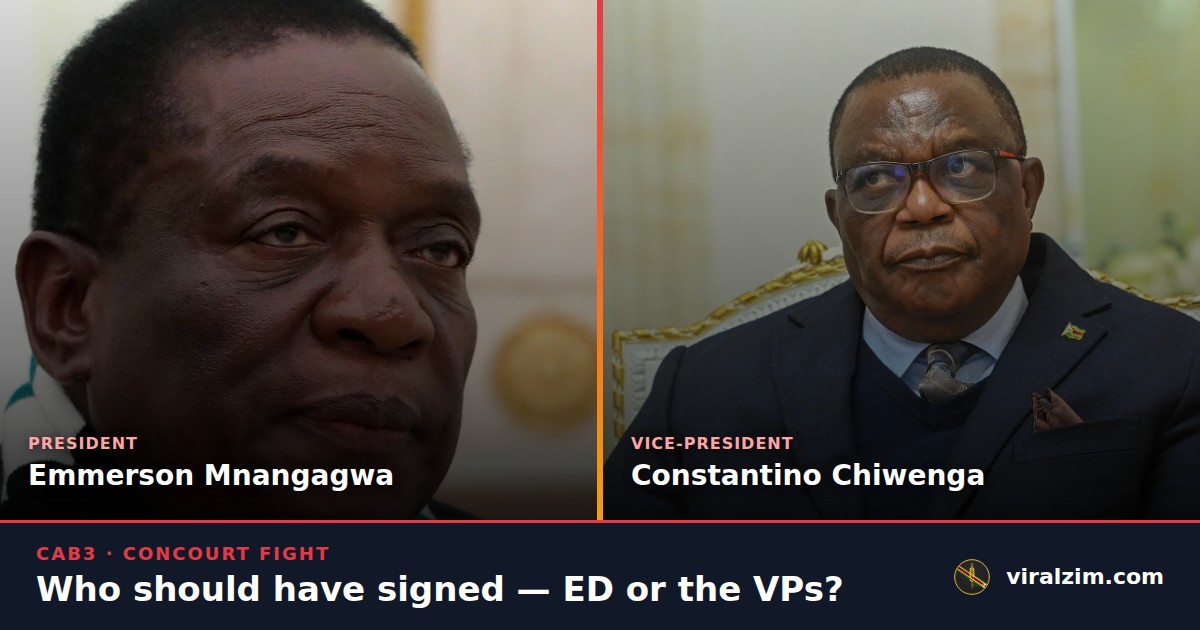
At the heart of the crisis is the deepening rift between Mnangagwa, 81, and his deputy Chiwenga, 67, a former army general who led the 2017 coup that ousted Robert Mugabe and brought Mnangagwa to power. The analysis, circulating among political strategists and media observers, alleges that Chiwenga has methodically consolidated control over key state institutions—including the military, intelligence, and ZANU-PF’s provincial structures—leaving Mnangagwa with little room to maneuver. The video report framing the situation as “Mnangagwa trapped by Chiwenga” reflects a growing consensus that the president’s political survival is in doubt.
The Key Players: Chamisa, Makandiwa, and Valerio Sibanda
The analysis identifies three pivotal figures whose roles will determine the outcome of the power play. Opposition leader Nelson Chamisa, head of the Citizens Coalition for Change (CCC), remains a wild card. Despite a controversial election in August 2023 that Chamisa claims was rigged—and which the regional Southern African Development Community (SADC) has criticized—he still commands significant urban support. Sources cited in the report suggest Chiwenga may be seeking a compromise with Chamisa to isolate Mnangagwa further, though Chamisa has publicly rejected any deal with ZANU-PF. “Chamisa represents the only credible political counterweight outside the party,” said a Harare-based political analyst who spoke on condition of anonymity. “If Chiwenga can bring him into a transitional arrangement, Mnangagwa’s position becomes untenable.”
Prophet Emmanuel Makandiwa, founder of the United Family International Church, is also named as a key figure. Makandiwa, one of Zimbabwe’s most influential spiritual leaders, has maintained close ties with both Mnangagwa and Chiwenga. The analysis claims Makandiwa is acting as a discreet intermediary between the rival factions, leveraging his vast network and credibility to prevent a violent rupture. Church-state relations in Zimbabwe have historically been fraught, but Makandiwa’s role—if confirmed—would mark an unprecedented direct intervention in the country’s highest political drama. “Makandiwa is no ordinary pastor,” noted a regional security expert. “He has the ear of both camps, and his neutrality gives him unique leverage.”
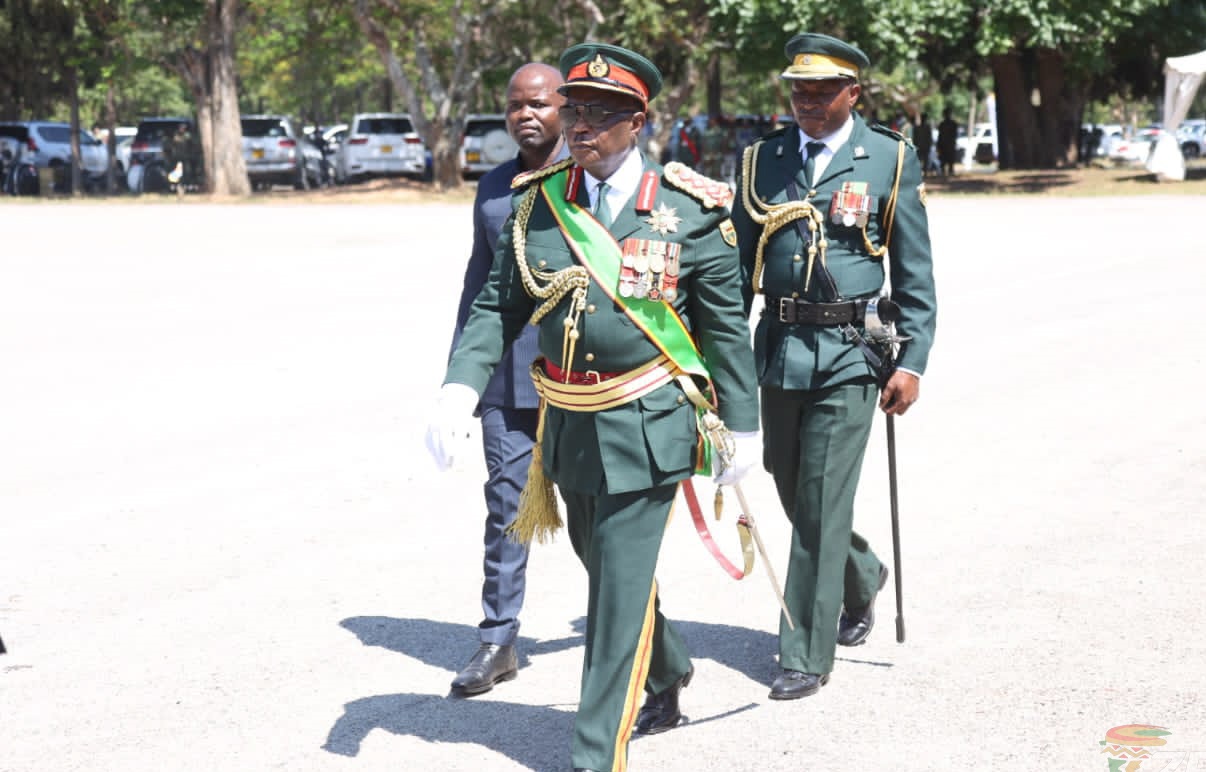
Perhaps the most alarming figure in the equation is General Valerio Sibanda, the Zimbabwe Defence Forces commander. As a close ally of Chiwenga from their military days, Sibanda’s loyalty is seen as the ultimate guarantor of any transition. The analysis warns that if Chiwenga moves against Mnangagwa, Sibanda will ensure the army remains neutral—or actively supports the vice president. “The military is not a monolith, but Sibanda’s command is decisive,” said a former intelligence officer familiar with the dynamics. “And he is Chiwenga’s man.”
Geopolitical Stakes for Southern Africa
The crisis is not merely a Harare power game; it has direct implications for the entire Southern African region. Zimbabwe remains a linchpin state in SADC, bordering South Africa, Botswana, Zambia, and Mozambique. Any instability could disrupt trade routes, fuel cross-border migration, and embolden armed groups in Mozambique’s Cabo Delgado province. South Africa, already struggling with high unemployment and energy shortages, cannot afford a chaotic neighbor. “A Zimbabwean implosion would be a humanitarian and security catastrophe for the region,” warned a senior diplomat from a SADC member state. “The silence from Pretoria and Gaborone is deafening.”
Meanwhile, the economic dimension is stark. Zimbabwe’s inflation rate exceeded 500% in mid-2024, the Zimbabwe dollar has virtually collapsed, and the gold-backed ZiG currency introduced in April 2024 is already under pressure. Mnangagwa’s government has failed to attract significant foreign investment, partly due to sanctions and partly due to corruption. A change in leadership—whether through a palace coup or a negotiated transition—could either unlock new international engagement or deepen the crisis. “Investors are watching this power struggle like hawks,” said an economist based in Johannesburg. “If Chiwenga consolidates power quickly and signals reform, the market response could be positive. But if the fight drags on, we’ll see capital flight and a deepening of the parallel market.”
At the regional level, SADC faces a credibility test. The bloc’s inability to enforce its own electoral standards after the disputed 2023 vote has emboldened autocratic tendencies across the region. A military-backed change in Zimbabwe—even if technically constitutional—would set a dangerous precedent for Zambia, Malawi, and even South Africa. “The era of coups is not over in Africa,” a continental political analyst remarked. “Southern Africa has been relatively stable, but if Chiwenga succeeds, it will send a signal that power can be taken, not earned.”
For ordinary Zimbabweans, the stakes are existential. The country’s social fabric is already frayed by years of economic mismanagement, with unemployment above 80% and public services in tatters. Any political upheaval risks triggering a new wave of emigration, particularly among young professionals. The analysis, while speculative in parts, paints a scenario where either Mnangagwa is forced into early retirement or Chiwenga launches a formal challenge at ZANU-PF’s next congress, scheduled for late 2025. “The question is not whether there will be a change, but when and how,” said the Harare analyst. “Mnangagwa is cornered. The only unknown is whether he fights back or steps aside gracefully.”
As the video report circulates widely—sparking debate on WhatsApp groups, talk radio, and social media—the Zimbabwean government has not officially responded. Spokespersons for Mnangagwa and Chiwenga did not return requests for comment. The silence only deepens the intrigue. What remains clear is that the battle for Zimbabwe’s future is being fought in the shadows, and the next move could determine the country’s trajectory for a generation.