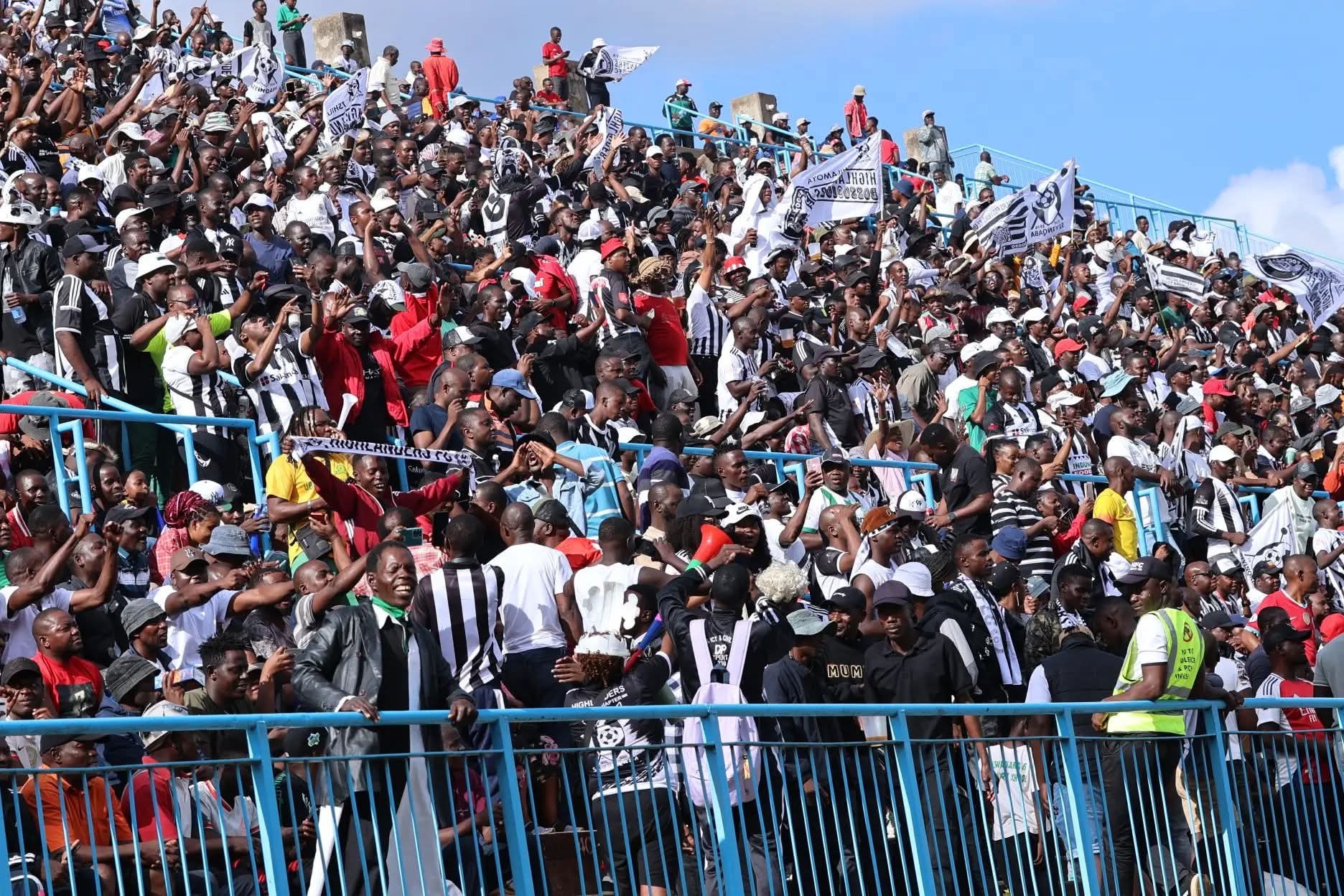
Seven Highlanders Football Club supporters were killed instantly and dozens more left critically injured late Saturday night when their transport bus overturned on the Zvishavane-Mbalabala road. The tragedy occurred as the convoy returned from Mandava Stadium following a high-stakes Premier Soccer League match against FC Platinum, marking one of the deadliest days in the history of Zimbabwean domestic football. Emergency responders confirm the vehicle lost control, plunging the traveling fan base into a scene of absolute devastation that has sent shockwaves across the Southern African sporting community.
A History of Neglected Infrastructure and Fatal Risks
This incident is not an isolated anomaly but a symptom of a crumbling transport infrastructure that plagues Southern Africa. Zimbabwe’s roads, many of which date back to the colonial era, have suffered from decades of underinvestment and lack of maintenance. According to data from the Traffic Safety Council of Zimbabwe, road traffic accidents claim an average of five lives every single day in the country. The Zvishavane-Mbalabala route, a notorious stretch for heavy industrial traffic and public transport, remains poorly lit and riddled with potholes, forcing drivers into hazardous maneuvers. For football fans, who often travel in overloaded, aging minibuses to support teams like Highlanders—a club with a massive, passionate following—the journey to away games has become a literal gamble with death.
The Geopolitical Cost of Regional Transport Failures
The implications of this tragedy extend far beyond the borders of Bulawayo. Southern Africa relies heavily on road networks for the movement of goods and people, yet regional integration is constantly hampered by preventable road fatalities. When transport systems fail, it disrupts the social fabric that connects the SADC region. Highlanders FC, historically rooted in the identity of Matabeleland, represents more than just a club; it is a cultural institution. The loss of these supporters highlights the vulnerability of the working class who fuel the regional economy but are forced to traverse dangerous, unregulated transport corridors. Without a unified regional effort to standardize road safety and invest in modern transit, the death toll among fans and commuters will continue to rise, threatening the stability of regional sporting and commercial travel.
Quantifying the Human Toll of Negligence
The human cost of this accident is staggering, with hospital wards in Zvishavane and Bulawayo currently overwhelmed by survivors suffering from traumatic injuries. Dr. Tendai Moyo, a trauma specialist at a nearby provincial hospital, noted that 'the severity of the injuries indicates both the speed of the vehicle and the lack of basic safety features in the transport provided.' Current statistics show that public transport accidents in Zimbabwe have increased by 14% over the last fiscal year. This loss of life is not merely a statistical spike; it is a direct result of a lack of oversight regarding the roadworthiness of vehicles operating on public highways. Families are now left to bear the financial burden of funerals and medical bills in an economy already strained by hyper-inflationary pressures.
Institutional Silence and Public Outcry
The response from the football fraternity and the government has been one of somber reflection, yet critics are demanding immediate accountability. Highlanders FC issued a statement expressing 'profound grief,' while the Premier Soccer League has faced calls to suspend matches until a comprehensive safety audit is conducted for traveling fans. 'We are tired of burying our children because of roads that are death traps,' said a grieving family member at the scene. Government officials have pledged an investigation, but for many, these promises ring hollow. The lack of strict enforcement on bus operators who prioritize profit over passenger safety remains a point of intense contention, with civil society groups organizing protests to demand the resignation of transport ministry officials responsible for road maintenance.
The Road Ahead: A Call for Systemic Reform
Moving forward, the focus must shift from reactive mourning to proactive structural reform. This means implementing mandatory vehicle inspections, installing speed governors on all public service vehicles, and initiating a massive overhaul of the arterial roads connecting Zimbabwe’s major hubs. If the government fails to address the systemic corruption in the transport licensing sector, the Zvishavane tragedy will simply be a prelude to the next disaster. The Highlanders supporters who perished were the lifeblood of the sport; their deaths must serve as the catalyst for a radical change in how Zimbabwe manages its public transport. Anything less is a betrayal of the citizens who keep the country moving.