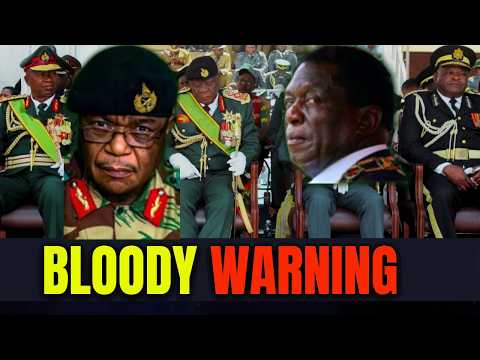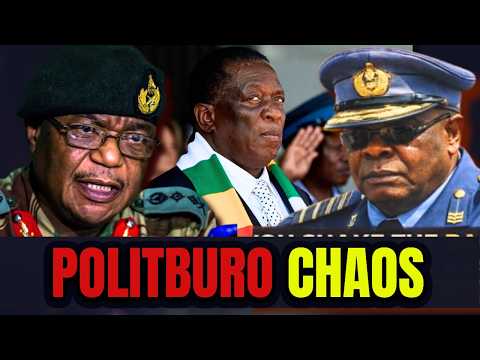
Tensions within the highest echelons of power have reached a boiling point as General Sigauke has reportedly confronted President Mnangagwa directly during a volatile Politburo session. The confrontation, detailed in a report by Rumbie Uncensored, centers on a contentious referendum and a series of mysterious deaths involving high-ranking generals. This unprecedented challenge to the executive authority of the President signals a deepening fracture within the state's security and political apparatus, raising urgent questions about stability and the rule of law.
The Anatomy of a Political Breach
The origins of this confrontation lie in the intersection of constitutional maneuvering and internal security concerns. According to the reporting, the proposed referendum has become a lightning rod for dissent, serving as the catalyst for General Sigauke to break ranks. This is not merely a policy disagreement; it is a fundamental clash over the direction of the nation’s governance. The involvement of the military leadership in questioning the President’s agenda suggests that the traditional barriers between the barracks and the Politburo have effectively collapsed, leaving the administration in a precarious position as it attempts to manage both domestic policy and internal dissent.
Analyzing the Security Crisis
The mention of mysterious deaths among the generals adds a dark, investigative layer to this political theater. In any sovereign state, the unexplained passing of military leadership is a matter of grave national security. By bringing these deaths to the forefront of a Politburo meeting, General Sigauke is effectively accusing the administration of negligence or, more ominously, complicity. This analysis suggests that the power struggle is no longer confined to ideological differences but has shifted into a battle for survival, where the legitimacy of the current leadership is being weighed against the integrity of the military establishment.
Regional Stability and Institutional Impact
The ripple effects of this confrontation extend far beyond the walls of the Politburo. As a key player in Southern Africa, any internal instability within the nation’s leadership has the potential to impact regional security and economic cooperation. If the military and the executive branch remain at odds, the resulting paralysis could undermine the country's ability to engage with international partners or maintain order. The uncertainty surrounding the referendum and the unexplained casualties creates a vacuum of accountability that threatens to destabilize the broader political landscape of the region.
Public and Political Backlash
Public discourse, as highlighted by Rumbie Uncensored, reflects a growing anxiety among the populace and stakeholders who are witnessing these cracks in the facade of unity. The confrontation has sparked intense debate regarding the transparency of the government and the safety of those who choose to challenge the status quo. Observers are particularly focused on the silence of other high-ranking officials, which speaks volumes about the climate of fear and the high stakes involved in this ongoing standoff. The reaction from the political class remains guarded, yet the tension is palpable as the public awaits further clarity on the mysterious deaths.
The Path Forward
Looking ahead, the primary focus for analysts and citizens alike will be whether President Mnangagwa can consolidate his authority or if the pressure from General Sigauke will lead to a broader purge or a fundamental policy shift. The resolution of the referendum issue is now inextricably linked to the investigation into the generals' deaths. Any further escalation could lead to a total breakdown in communication between the military and the executive, potentially setting the stage for a significant political realignment. All eyes remain on the Politburo for signs of a formal response to these explosive allegations.