
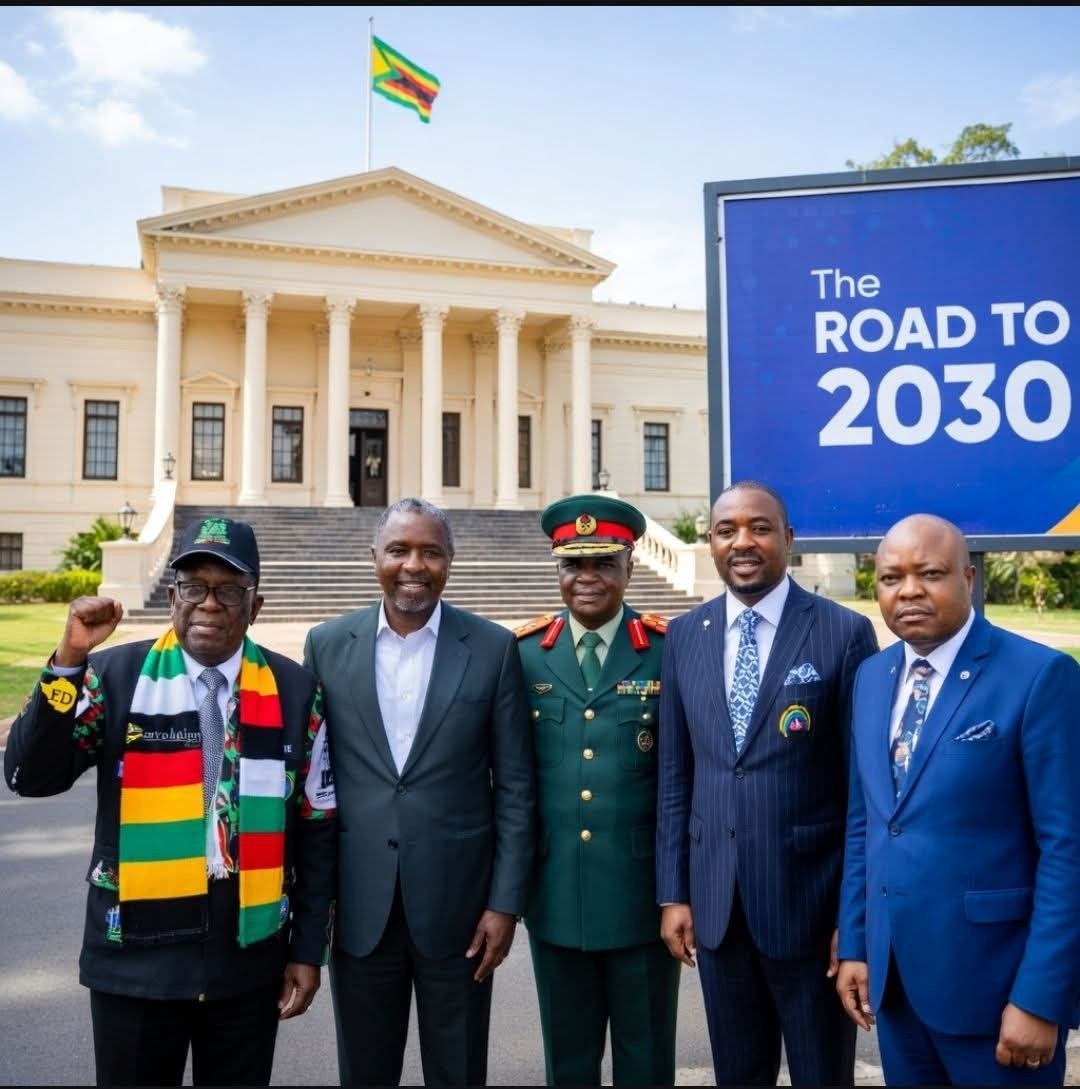
Zimbabwe is teetering on the edge of a constitutional crisis as former opposition leader Nelson Chamisa leads a fierce public revolt against a proposed amendment bill designed to consolidate executive power and dismantle the remaining vestiges of democratic checks and balances. Across the country, the rallying cry 'Zimbabwe yaramba'—Zimbabwe has refused—has moved from social media hashtags to the streets, signaling a profound rejection of what critics describe as an attempt to institutionalize a de facto one-party state. The proposed legislative changes threaten to erode judicial independence and further tighten the ruling ZANU-PF party’s grip on the nation’s governance structures.
A Legacy of Legislative Erosion
The current legislative push is merely the latest chapter in a long-standing strategy of constitutional engineering that began in earnest following the 2013 Constitution, which was hailed as a progressive document before being systematically hollowed out. Since 2017, the administration of President Emmerson Mnangagwa has utilized a parliamentary supermajority to pass successive amendments, including the controversial Amendment No. 2, which granted the President unilateral power to appoint senior judges without public interviews. Data from the Zimbabwe Election Support Network (ZESN) indicates that these legislative maneuvers have consistently preceded periods of heightened political repression. By targeting the separation of powers, the government is effectively insulating the executive branch from accountability, a move that echoes the authoritarian consolidation seen in other regional autocracies.
Geopolitical Destabilization and Regional Fallout
The implications of this legislative power grab extend far beyond Harare, threatening the stability of the Southern African Development Community (SADC). Regional analysts warn that if Zimbabwe successfully dismantles its constitutional safeguards, it sets a dangerous precedent for neighboring states currently grappling with democratic backsliding. 'When Zimbabwe erodes its rule of law, the entire SADC region suffers from increased migration, economic instability, and the normalization of autocratic practices,' says Dr. Tendai Biti, a constitutional law expert. The erosion of democratic norms in Zimbabwe directly impacts regional trade agreements and security cooperation, as the country remains a critical transit hub for Southern African commerce. A destabilized Zimbabwe acts as a pressure cooker, with the potential to trigger mass exodus events that strain the resources of South Africa and Botswana.
The Human Cost of Institutional Decay
For the average Zimbabwean, the amendment bill is not just a legal document; it is a direct assault on their survival. With inflation hovering at triple-digit levels and unemployment estimated at over 80% by independent labor unions, the government’s focus on consolidating power rather than addressing the economic collapse has reached a breaking point. 'We are tired of being governed by decrees that strip us of our rights while our pockets remain empty,' says a Harare-based civil society leader who requested anonymity for safety reasons. The data is clear: as political space shrinks, the brain drain accelerates. Thousands of skilled professionals, including doctors and engineers, continue to flee to the diaspora, stripping the nation of the human capital necessary for any potential economic recovery.
The Surge of Public Resistance
The response from the populace has been swift and increasingly defiant, with #NoToFirapo gaining momentum as a symbol of collective resistance. Human rights organizations, including Amnesty International and local groups like the Zimbabwe Human Rights NGO Forum, have issued scathing reports condemning the bill as a violation of international human rights treaties. While the government maintains that the amendments are necessary for 'administrative efficiency,' the international community remains skeptical. The European Union and the United States have signaled that any further degradation of democratic institutions will complicate future re-engagement and debt relief negotiations. 'The government is playing a dangerous game of isolation,' noted one Western diplomat stationed in Harare, emphasizing that the world is watching the legislative process with extreme concern.
The Path Toward an Uncertain Future
As the bill moves through the legislative pipeline, the country faces a binary outcome: either a deepening of the current autocratic trajectory or a forced pivot toward reform under sustained domestic and international pressure. Nelson Chamisa’s call to action suggests that the opposition is shifting from electoral reliance to a broader strategy of grassroots mobilization. The coming weeks will be critical; if the government pushes the bill through without meaningful public consultation, it risks triggering widespread civil unrest that could paralyze the country’s already fragile economy. For Southern Africa, the message is clear: the status quo is unsustainable. The eyes of the international community are now fixed on Harare to see whether the government will heed the voices of its people or continue down a path that leads to total institutional isolation.

