
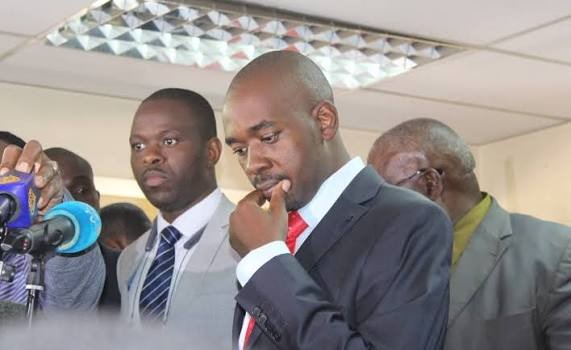
Nelson Chamisa, the former leader of the Citizens Coalition for Change (CCC), is the clandestine architect behind the logistical and security operations shielding opposition figures fighting the contentious Amendment Bill 3. Constitutional law expert Professor Lovemore Madhuku has publicly confirmed that despite Chamisa’s recent political withdrawal, he remains the primary financier providing the transport and security infrastructure necessary for the legal and political resistance against the bill. This revelation shatters the narrative of a fractured opposition, exposing a high-stakes, behind-the-scenes power struggle that threatens to derail the ruling ZANU-PF party’s legislative agenda.
The Legislative Siege on Zimbabwe’s Constitution
Amendment Bill 3 represents the latest attempt by the Zimbabwean establishment to consolidate executive power by weakening judicial oversight and altering electoral boundary demarcations. Since the 2013 Constitution was adopted—a document that took years of public consultation—ZANU-PF has pursued a series of amendments designed to bypass democratic checks. Data from the Zimbabwe Election Support Network (ZESN) indicates that these legislative maneuvers are aimed at neutralizing the opposition's influence in urban strongholds. Historically, the fight against such amendments has been hampered by a lack of resources, but the revelation that Chamisa is bankrolling the resistance suggests a more sophisticated, well-funded opposition strategy than the state previously anticipated.
Geopolitical Consequences for the SADC Region
The instability caused by the battle over Amendment Bill 3 is not contained within Zimbabwe’s borders; it sends shockwaves through the Southern African Development Community (SADC). Regional stability is contingent upon adherence to constitutionalism, and when a member state attempts to dismantle its own supreme law, it invites economic sanctions and diplomatic isolation. Analysts at the Institute for Security Studies (ISS) note that if Zimbabwe’s internal opposition is successfully suppressed, it emboldens authoritarian tendencies in neighboring states like Eswatini and Mozambique. By providing the logistical backbone for this resistance, Chamisa is not just fighting a domestic bill; he is signaling to SADC that the Zimbabwean opposition remains a functional, albeit shadow-based, force capable of challenging the regional status quo.
The High Cost of Political Dissent
The logistics of opposing a state-backed bill in Zimbabwe are perilous. Activists and legal teams face constant surveillance, arbitrary arrests, and the threat of state-sponsored violence. Prof. Madhuku’s admission highlights the reality that in the current Zimbabwean climate, dissent is a luxury that requires significant capital. Estimates suggest that maintaining a secure legal and transport network for opposition leaders costs thousands of dollars monthly—funds that are increasingly hard to source in a hyper-inflationary environment. The fact that Chamisa is underwriting these costs underscores his continued relevance and his commitment to preventing the total erosion of the 2013 constitutional gains, despite his public resignation from party leadership.
Institutional Panic and the Rhetoric of Resistance
The reaction from ZANU-PF and state-aligned institutions has been one of predictable hostility. Government spokespersons have labeled the opposition’s resistance as 'foreign-funded sabotage,' a common trope used to delegitimize domestic dissent. However, legal experts argue that the opposition’s tactics are purely defensive. 'If the state is using the full weight of the legislative process to crush the opposition, then the opposition is entitled to use every resource at its disposal to survive,' says a prominent Harare-based constitutional lawyer. The tension is palpable in the corridors of the High Court, where the legal challenges against the bill are currently being adjudicated, with many expecting a ruling that will define the future of Zimbabwean democracy.
The Impending Constitutional Showdown
As the legal battle over Amendment Bill 3 intensifies, the primary question remains: can this shadow-funded resistance hold against the institutional might of the state? The next few months will be decisive. If the opposition, bolstered by Chamisa’s logistical support, manages to stall the bill, it will represent a significant victory for civil society and a major setback for the ruling party’s consolidation efforts. Conversely, if the bill passes, the path toward a one-party-dominant state will be all but cleared. For Southern Africa, the outcome of this struggle will serve as a bellwether for the health of constitutional democracy in the region, proving whether legal resistance can still triumph over executive overreach in the face of immense pressure.

