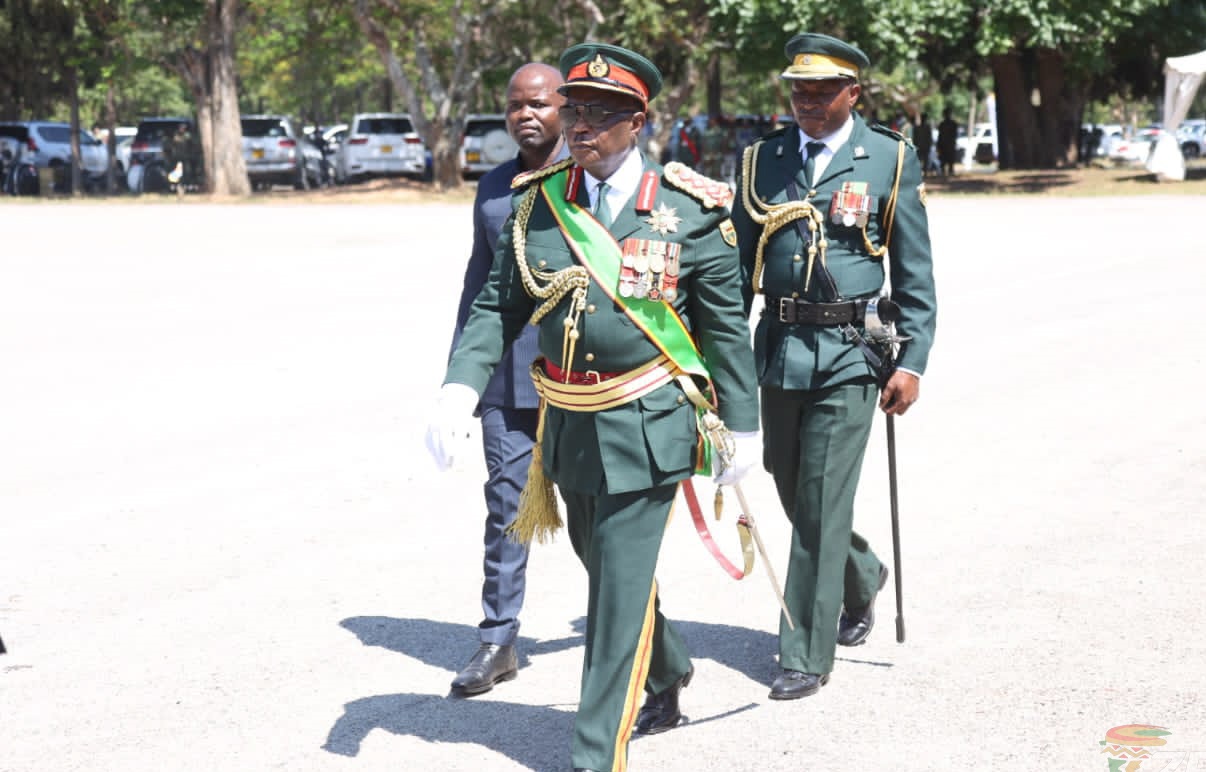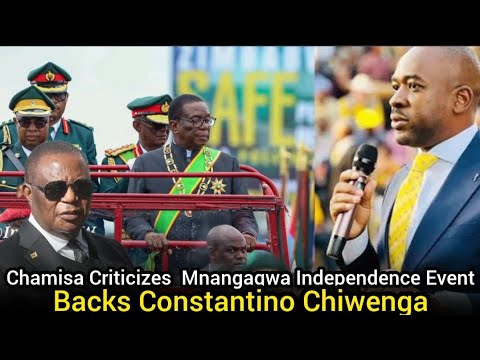
Zimbabwe’s political landscape remains deeply fractured as opposition leader Nelson Chamisa has launched a scathing critique of the recent Independence Day celebrations presided over by President Emmerson Mnangagwa. Chamisa characterized the event as a “grave assault” on the nation’s founding ideals, arguing that the government has failed to uphold the “Independence Promise” made to citizens at the dawn of the country's sovereignty in 1980.
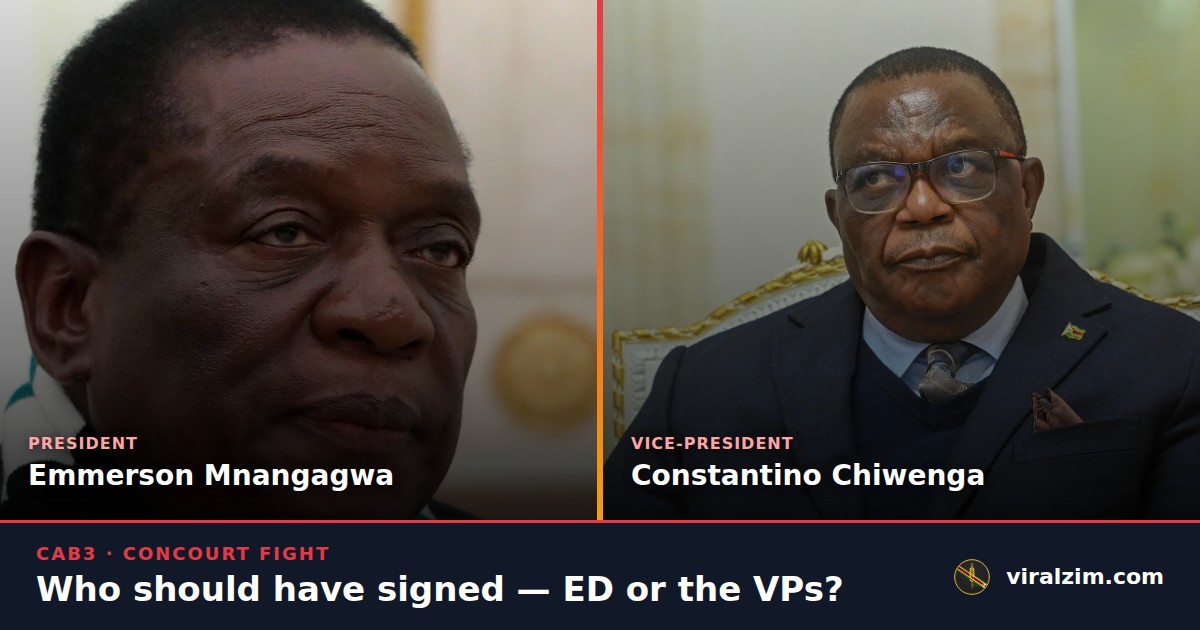
Central to Chamisa’s grievance is the erosion of democratic principles, specifically the “One Man, One Vote” mandate, which he claims has been systematically undermined. In a pointed move, Chamisa notably aligned himself with the rhetoric of Vice President Constantino Chiwenga regarding this core democratic tenet. This rare alignment, albeit symbolic, highlights the internal friction within the ruling ZANU-PF and the broader disillusionment with the current administration's trajectory.
A Broken Promise and Economic Despair
Chamisa’s critique extends beyond electoral integrity, painting a grim picture of a nation grappling with severe economic hardship and social division. “Zimbabwe is now facing increasing challenges, including economic hardship and social division,” Chamisa stated, emphasizing that the country is currently experiencing a deeper level of poverty and widespread disillusionment among its citizens compared to previous years. He noted that the “Independence Promise”—which was meant to guarantee freedom, dignity, justice, and unity—has been effectively abandoned by the current leadership.
For Southern Africa, this ongoing instability in Zimbabwe serves as a stark reminder of the regional challenges regarding governance and economic integration. As Zimbabwe continues to struggle with its “broken promise,” the impact is felt across the SADC region, where economic migration and political instability often spill over borders. Experts argue that the failure to address these fundamental governance issues in Harare threatens to undermine the collective progress of the Southern African Development Community.
The Call for a Way Forward
Despite the bleak assessment, Chamisa called for a “way forward,” asserting that citizens must play a critical role in restoring the nation’s founding values. He emphasized the importance of political and constitutional solutions that prioritize the needs of the people over partisan interests. “We are more divided than ever before,” Chamisa remarked, urging a return to the principles that once promised a prosperous and inclusive future for all Zimbabweans.
As the country navigates this period of uncertainty, the rhetoric surrounding the Independence Day events underscores the deep-seated polarization that continues to define Zimbabwean politics. Whether this signals a shift in the political landscape or merely further entrenchment remains to be seen, but the urgency of Chamisa’s message reflects the growing impatience of a population demanding tangible change.