The Coup That Wasn’t a Coup
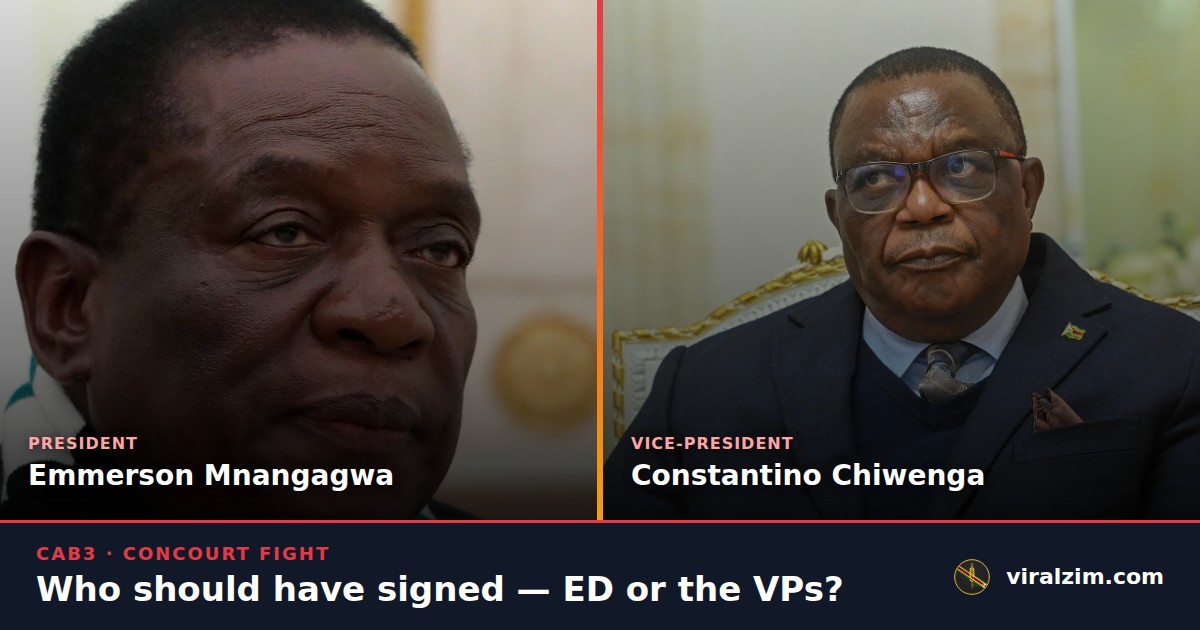
The November 2017 military operation, officially called a “bloodless transition,” saw troops under then-Army Commander Chiwenga place Mugabe under house arrest and force his resignation after 37 years in power. Mnangagwa, who had been fired as vice president weeks earlier, returned from exile in South Africa to assume the presidency. At the time, the two men were presented as allies—Chiwenga providing the firepower, Mnangagwa the political cover. But Chiwenga’s latest claim suggests the partnership was poisoned from its inception.
The recording adds new weight to the long-standing suspicion that Mugabe, who died in 2019, never fully trusted his successor. In private conversations that have since emerged in memoirs and leaked documents, Mugabe repeatedly described Mnangagwa as a man who “would climb over bodies” to reach power. Chiwenga’s decision to make this warning public signals that the vice president believes his own political survival now depends on exposing the true nature of the 2017 transition.
Factional War in the Open
The warning is the latest salvo in an escalating power struggle between Mnangagwa and Chiwenga factions inside ZANU PF. The two men have been jockeying for control of the party ahead of the 2028 elections, with Mnangagwa seeking to extend his tenure beyond the constitutional two-term limit. Chiwenga, who became vice president in 2017, has been systematically stripped of key portfolios—he lost the influential Ministry of Defence portfolio in 2023 and was sidelined from economic decision-making.
In August 2024, Chiwenga boycotted a key ZANU PF politburo meeting, citing “security concerns.” His allies have been arrested or purged from party structures. The leaked recording suggests Chiwenga now believes that exposing the origins of the 2017 coup is his only remaining leverage. “Mnangagwa has consolidated power faster than anyone anticipated,” said political analyst Ngwenya, who has tracked the factional dynamics. “But Chiwenga still has a constituency in the military. The question is whether that loyalty holds if a full rupture occurs.”
Chiwenga’s bombshell also raises uncomfortable questions about the international community’s complicity in the 2017 transition. Western governments, led by the United Kingdom and the United States, quickly embraced Mnangagwa, lifting some sanctions and promising investment. “They wanted a fresh face after Mugabe,” Ngwenya said. “They ignored the fact that Mnangagwa was the architect of the state security apparatus that crushed dissent for decades. Now that same apparatus is being turned against his rival.”
ZANU PF spokesperson Christopher Mutsvangwa dismissed Chiwenga’s remarks as “a private conversation taken out of context.” In a press briefing, Mutsvangwa stated, “The Vice President remains a loyal member of the party and a committed servant of the people. There is no power struggle. The President and the Vice President work together harmoniously.” The statement was met with widespread skepticism among political observers, who noted that Mutsvangwa himself is a known Mnangagwa loyalist and has a history of downplaying party rifts.