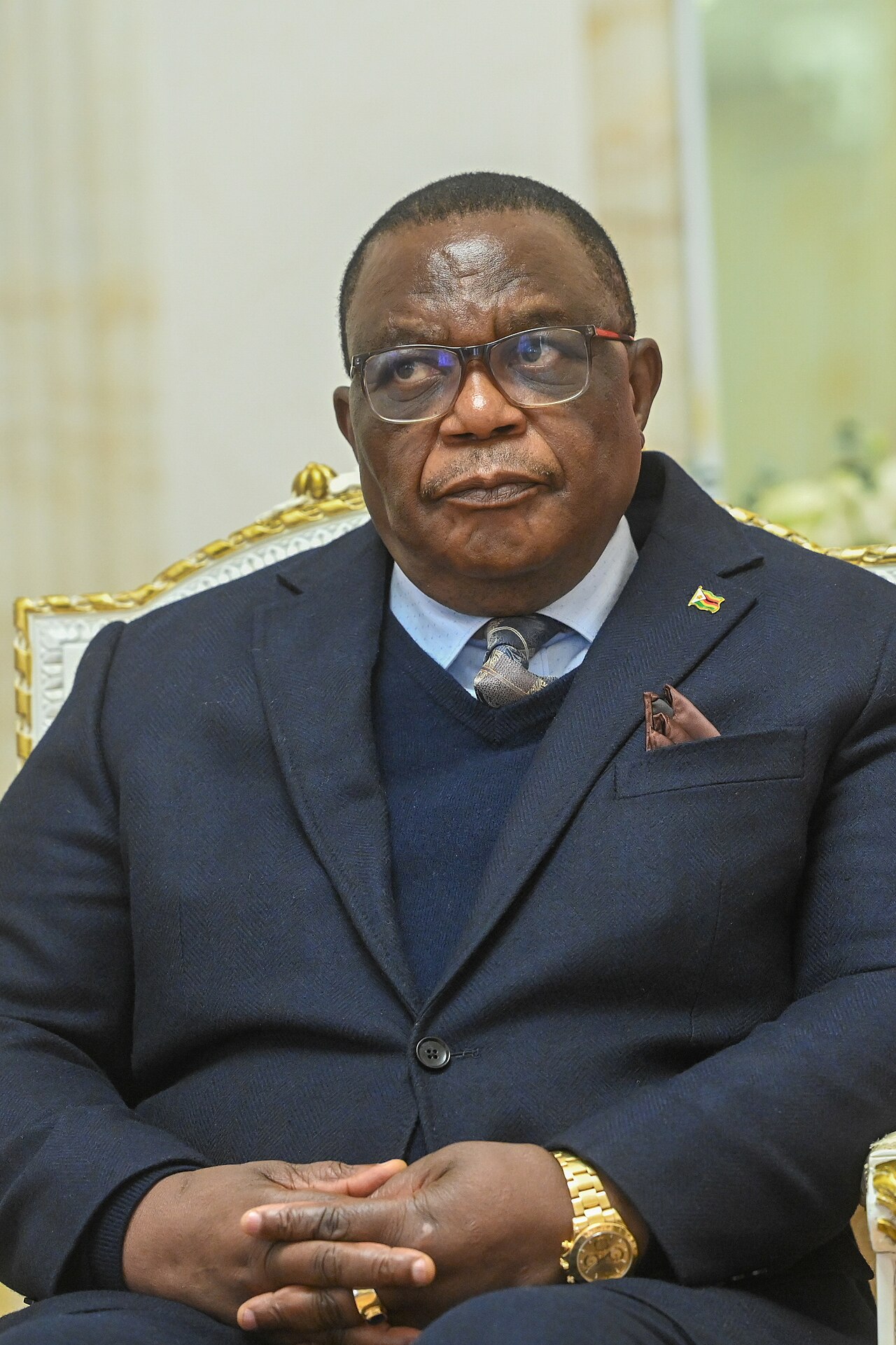
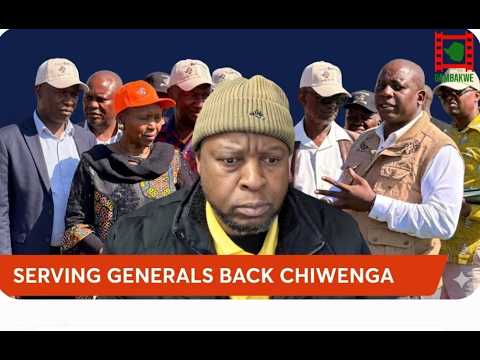
Senior Zimbabwean army generals have sounded the alarm over what they describe as a clandestine political plot targeting Vice President Constantino Chiwenga, warning that the country could be headed for a repeat of the 2017 military intervention that removed Robert Mugabe from power. The explosive allegations, circulating in a video report from a local media outlet, claim that a faction within the ruling ZANU-PF party, backed by elements of the security apparatus, is orchestrating a campaign to sideline Chiwenga ahead of the 2028 succession battle.
‘What we are seeing is a calculated attempt to repeat the 2017 playbook, but this time the target is the Vice President,’ said a senior political analyst at the University of Zimbabwe, who spoke on condition of anonymity due to the sensitivity of the subject. ‘The military remains the ultimate arbiter of power in Zimbabwe. If they perceive that Chiwenga is being unfairly targeted, they could act to protect their interests.’
The Fractured Command
The allegations come amid a deepening rift within ZANU-PF’s top echelons. Chiwenga, a former army general who led the 2017 coup, has been positioning himself as a natural successor to Mnangagwa, who is 81 and has not publicly stated whether he will seek another term. Mnangagwa’s inner circle, known as the ‘Team Lacoste’ faction, is reportedly wary of Chiwenga’s military backing and has been aggressively consolidating power. In recent months, several Chiwenga allies have been purged from party positions, and the Vice President’s public appearances have been scaled back.
‘The plot described by the generals is not a conspiracy theory; it’s a structural reality in ZANU-PF politics,’ said Dr. Tendai Sibanda, a Harare-based political risk consultant. ‘The 2017 precedent shows that the military will not tolerate a leadership transition that excludes their preferred candidate. The question is whether Mnangagwa can manage this succession without triggering another coup.’
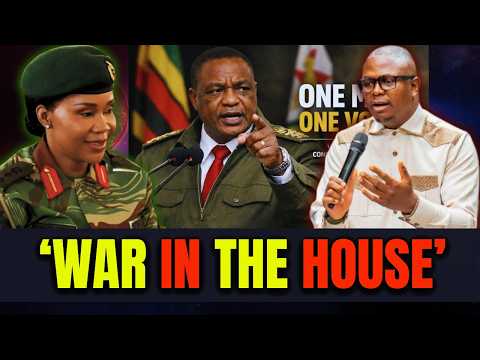
The video’s release comes at a time of heightened insecurity in Zimbabwe. The economy is in freefall, with annual inflation exceeding 500 percent and the local currency losing value weekly. Unemployment is estimated at over 80 percent in the informal sector, and food insecurity affects nearly half the population. In this volatile environment, any hint of military intervention risks triggering capital flight and a collapse in investor confidence.
Southern Africa on Edge
The implications of a fresh political crisis in Zimbabwe extend far beyond its borders. Southern Africa, already grappling with the fallout from Mozambique’s Cabo Delgado insurgency and South Africa’s economic stagnation, cannot afford another destabilising event in Zimbabwe. The country is a linchpin of the region’s transport corridor, handling critical exports from Zambia, Botswana, and the Democratic Republic of Congo. A military takeover would likely prompt sanctions from the African Union and the Southern African Development Community (SADC), which has consistently opposed unconstitutional changes of government.
‘Any repeat of 2017 would be a disaster for regional trade and security,’ said a senior diplomat at the African Union, speaking off the record. ‘SADC has spent years trying to rebuild Zimbabwe’s international standing. An army-backed power transition would set that progress back decades and embolden other military factions across the continent.’
The generals’ warning also underscores the fragility of Zimbabwe’s post-Mugabe settlement. The 2017 coup was widely labelled a ‘soft coup’ by Western analysts, but the military’s role in political life has never been formalised. Since then, the armed forces have expanded their control over mining, telecoms, and agriculture, creating a parallel economy that is deeply intertwined with state power. Any threat to that arrangement – such as an attempt to overhaul the security sector – could provoke a forceful response.
‘The military is not a passive observer; it is a direct stakeholder in Zimbabwe’s political economy,’ said Professor Hope Magidimisa, a governance expert at the University of Botswana. ‘If Chiwenga – their former commander – is seen as vulnerable, the generals will move to protect their interests. That is the red line we are now approaching.’
Neither the Zimbabwean presidency nor the military’s public relations office has commented on the video. Vice President Chiwenga has not addressed the allegations directly, but his allies have accused Mnangagwa’s camp of using state institutions to harass and intimidate opponents. In a statement last week, the ZANU-PF national spokesperson dismissed the idea of a military plot as ‘baseless and designed to cause panic’.
The lack of official denial, however, has only fuelled speculation. In Harare, political observers note that the same pattern of public denials preceded the 2017 coup. At that time, the military denied any intent to seize power even as armoured vehicles rolled towards the capital. The parallels are difficult to ignore.
‘The generals’ warning is a signal to both domestic and international audiences that the military retains its veto power over Zimbabwe’s political future,’ said Dr. Sibanda. ‘Whether they will actually act remains to be seen, but the fact that they are speaking openly about a 2017 repeat is deeply alarming.’
As Zimbabwe teeters on the edge of another political crisis, the region watches with bated breath. The coming weeks will tell whether the generals’ warnings are a prelude to action or a desperate attempt to reset the balance of power. Either way, the spectre of 2017 looms large over Harare.