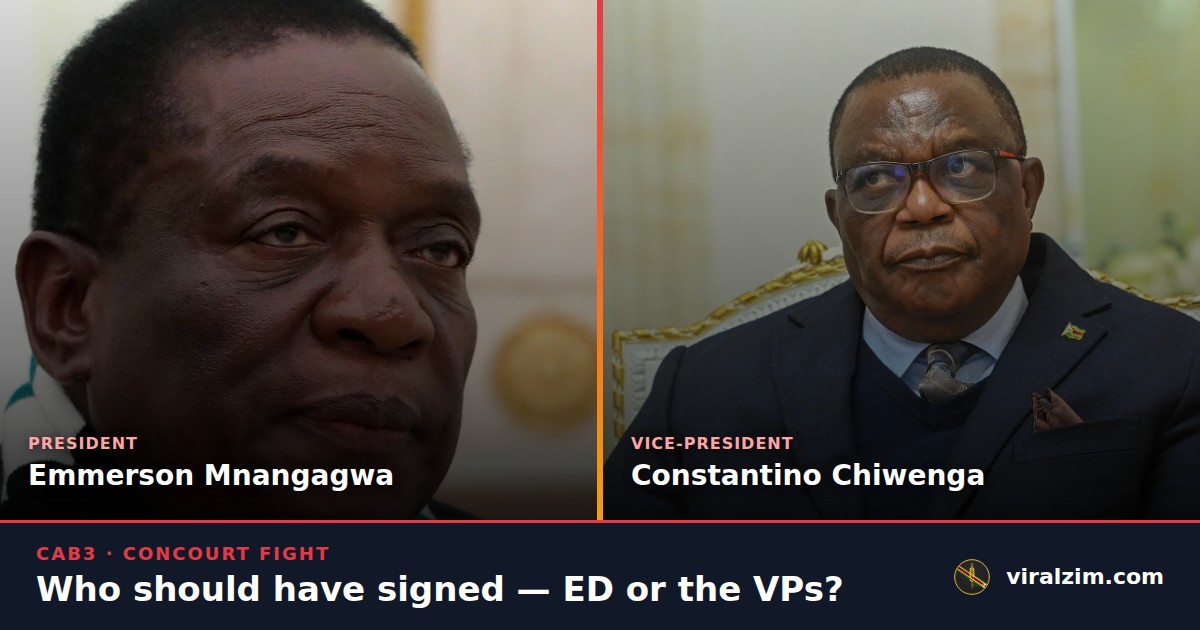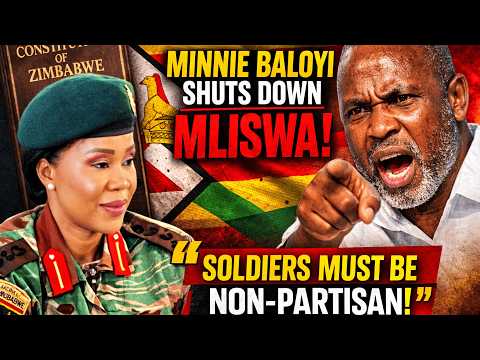
In a high-stakes development that has captured the attention of political observers, Minnie Baloyi has officially broken her silence regarding the escalating friction between the Mliswa and Chiwenga camps. The response, broadcast via the Zimwaves TV platform, marks a significant turning point in a public discourse that has been defined by intense factional posturing. This development brings to the forefront the underlying power dynamics currently shaping the narrative within these two distinct political spheres.
The Genesis of the Factional Divide
The conflict between the Mliswa and Chiwenga camps has long been a subject of intense scrutiny, characterized by a series of public exchanges and strategic maneuvers. This latest intervention by Minnie Baloyi serves as a critical update to the ongoing narrative, providing a direct response to the pressures and allegations that have defined the relationship between these two camps. By utilizing Zimwaves TV as the medium for her communication, Baloyi has signaled a clear intent to address the grievances and political posturing that have characterized this rivalry.
Analyzing the Strategic Response
From an analytical perspective, Baloyi’s decision to respond publicly suggests a calculated effort to reclaim the narrative. The tension between the Mliswa and Chiwenga camps is not merely a series of isolated incidents but a reflection of deeper, systemic competition for influence. By breaking her silence, Baloyi is attempting to reframe the debate, potentially shifting the momentum in a conflict that has remained volatile. The use of digital media platforms like Zimwaves TV underscores the modern reality of political warfare, where direct-to-audience communication bypasses traditional gatekeepers.
The Broader Geopolitical Implications
The implications of this public standoff extend far beyond the immediate participants, resonating through the political landscape of Zimbabwe and the wider Southern African region. When prominent figures associated with major camps engage in such public disputes, it creates a ripple effect that influences policy stability and public sentiment. The regional focus on transparency and accountability means that every statement made by figures like Baloyi is scrutinized for its potential to destabilize or reorder existing power structures within the nation.
Public and Stakeholder Reaction
The reaction to the Zimwaves TV broadcast has been immediate and polarized, reflecting the deeply entrenched loyalties surrounding the Mliswa and Chiwenga camps. Stakeholders are currently weighing the impact of Baloyi’s words, with many questioning whether this response will lead to a de-escalation of tensions or provide further fuel for the ongoing rivalry. The digital nature of this discourse allows for real-time engagement, turning every viewer into a participant in the broader political debate surrounding these factions.
Looking Ahead: The Next Phase
As we look toward the future of this conflict, the primary focus remains on how the Mliswa and Chiwenga camps will counter or incorporate Baloyi’s latest statements into their broader strategies. Observers should monitor for any subsequent rebuttals or shifts in the tone of the communication coming from these camps. The situation remains fluid, and the continued use of platforms like Zimwaves TV suggests that this battle for public opinion is far from over, with significant consequences for the political climate in the region.