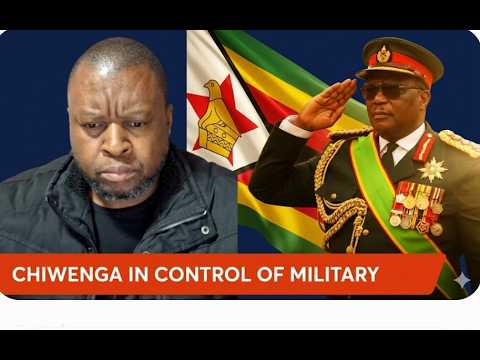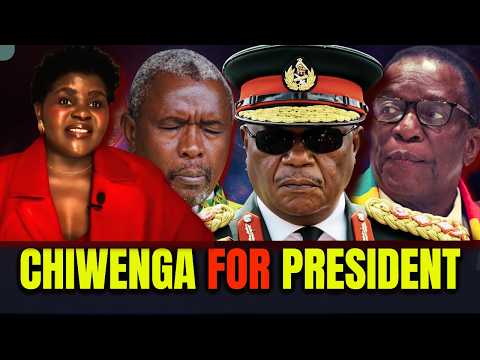
Zimbabwe’s political landscape is bracing for a seismic shift as military figures and political analysts signal that Vice President Constantino Chiwenga is the designated successor to lead ZANU PF into the 2028 elections. This development, which has been the subject of intense speculation, suggests a consolidation of power within the ruling party, aiming to secure its grip on the nation’s future.
The move comes at a time when Zimbabwe, and by extension the broader Southern African Development Community (SADC), is grappling with economic instability and governance challenges. Analysts argue that the transition of leadership within ZANU PF is not merely an internal party matter but a critical geopolitical event that could redefine the stability of the entire region. The influence of the military in ZANU PF’s decision-making processes has long been a point of contention, and this latest development is seen as a direct continuation of that trend.
The Geopolitical Ripples of Zimbabwe’s Leadership Shift
For Southern Africa, the stability of Zimbabwe is paramount. The country’s economic health directly impacts neighboring states through trade, migration, and regional security. Should the transition to Chiwenga lead to further political friction or economic decline, the ripple effects would be felt across borders, potentially exacerbating the migration crisis that has already placed significant pressure on South Africa’s infrastructure and social services.
Experts point to the "poverty mentality" that has plagued the nation’s governance, where short-term gains and the pursuit of power have often superseded long-term national development. This, they argue, has left the country vulnerable to corruption and mismanagement, which in turn hinders regional integration and economic growth. As ZANU PF prepares for 2028, the international community remains watchful, concerned that the focus on power retention may once again sideline the urgent need for democratic reforms and economic recovery.
The 2028 Election Outlook
The 2028 election is being framed as a defining moment for Zimbabwe’s democracy. While the ruling party appears to be setting its course, the opposition and civil society groups are calling for a more inclusive and transparent process. The constitutional framework, which has been a subject of debate, will likely face renewed scrutiny as the nation approaches the polls. Whether this transition will lead to a more stable political environment or further polarization remains the central question for observers both inside and outside the country.
As the political maneuvering continues, the people of Zimbabwe are left to navigate a landscape where the promise of change is often overshadowed by the realities of entrenched power structures. The international community, meanwhile, will continue to monitor the situation, recognizing that what happens in Harare will have lasting implications for the stability and prosperity of the Southern African region.